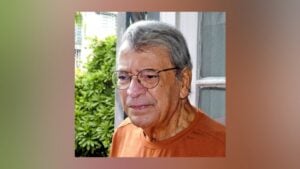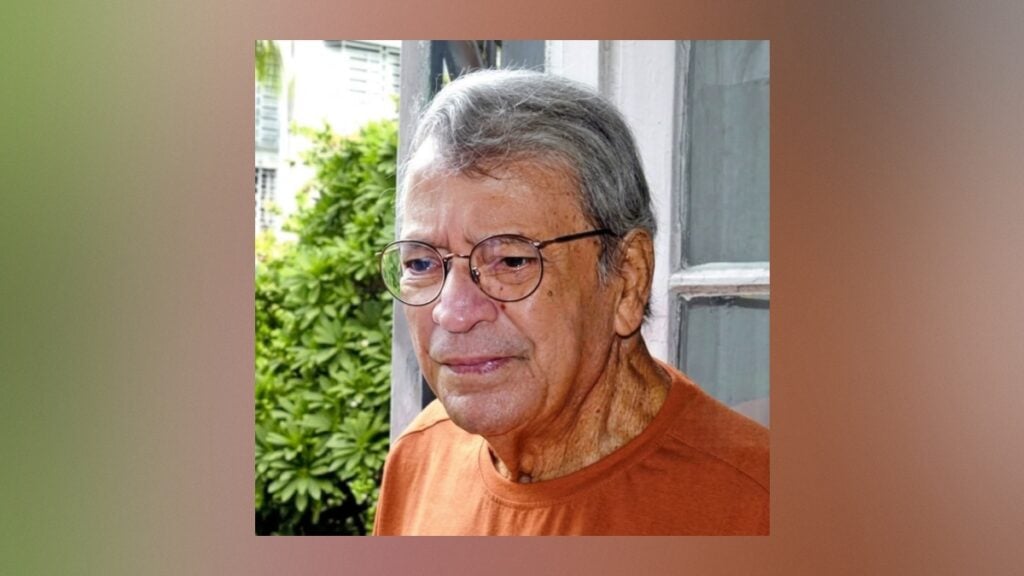
During Bangladesh’s struggle for independence in 1971, Ray played an important role in efforts to build international awareness of the crisis and strengthen support for the Bengali people. His involvement in India’s diplomatic initiatives at a time of immense suffering helped establish a lasting connection between his political life and the history of Bangladesh.
Early Life and Political Beginnings
Siddhartha Shankar Ray was born on 20 October 1920. His ancestral roots lay in Hansara village in Munshiganj, present-day Bangladesh. He was the grandson of the prominent Bengali nationalist leader Deshbandhu Chittaranjan Das. His wife was Maya Ray.
A distinguished lawyer known for his analytical ability, persuasive arguments and command of legal matters, Ray gradually established himself as an influential figure in Indian politics. His professional achievements in law complemented his growing political stature.
His political career gained momentum in 1957 when he joined the cabinet of West Bengal Chief Minister Dr Bidhan Chandra Roy. Ashoke Kumar Sen was instrumental in introducing him to the political world. Ray subsequently assumed important responsibilities in the central government, broadening his influence beyond West Bengal and establishing himself as a prominent figure in national politics.
His legal expertise, political connections and ability to navigate complex constitutional questions helped him earn the confidence of senior leaders, including Prime Minister Indira Gandhi.
Supporting Bangladesh’s Liberation Struggle
The year 1971 marked a defining chapter in the history of the Indian subcontinent. Following the Pakistani military crackdown in East Pakistan in March, widespread killings, persecution and destruction forced millions of people to flee across the border into India. The Bengali population’s struggle for self-determination developed into a full-scale war of liberation.
India’s political and diplomatic support became increasingly important as the conflict intensified. Alongside its humanitarian response to the refugee crisis, the Indian government sought to explain the situation in East Pakistan to the international community and build support for the Bengali people’s demand for independence.
Ray was entrusted with an important role in these efforts. Accounts of his political career indicate that, at Indira Gandhi’s initiative, he travelled to Thailand, Malaysia, Singapore, Hong Kong, Japan and Australia to communicate the circumstances surrounding Bangladesh’s struggle and help generate international support.
These diplomatic efforts formed part of a wider campaign to draw global attention to the atrocities committed in East Pakistan and the political circumstances that had led to the conflict. India faced a challenging international environment, with major powers divided over the crisis and the regional balance of power complicated by the Cold War.
The diplomatic campaign was therefore an essential complement to the wider political and humanitarian response. By helping present Bangladesh’s case abroad, Ray became associated with India’s efforts to secure greater understanding of the Bengali struggle for freedom.
The significance of his role lies in the broader historical context. Bangladesh’s independence was achieved through the sacrifices of millions of Bengalis, the leadership of the liberation movement, the resistance of freedom fighters and India’s eventual military intervention alongside the Mukti Bahini. International diplomatic engagement also helped shape the environment in which the struggle unfolded.
For Bangladesh, Ray’s contribution remains a noteworthy aspect of the support extended by sections of India’s political leadership during one of the most consequential periods in the country’s history.
West Bengal Chief Minister: Power and Controversy
Ray served as Chief Minister of West Bengal from 1972 to 1977, a period marked by political instability, violence and intense confrontation between rival political forces.
The state was still grappling with the aftermath of the Naxalite movement, which had emerged from a radical left-wing uprising in the late 1960s. Political killings, clashes between party workers and allegations of state repression created an atmosphere of fear and hostility. The relationship between the government and opposition groups remained deeply strained.
The West Bengal Assembly election of 1972 became one of the most controversial episodes of Ray’s political career. Opposition parties alleged widespread electoral malpractice and rigging, questioning the credibility of the electoral process. The Communist Party of India (Marxist), or CPI(M), challenged the conduct of the election, and accounts of the period record decisions by party candidates to withdraw from electoral contests in protest against alleged irregularities in constituencies including Baranagar.
Ray’s government also faced longstanding criticism over allegations of political repression and violence against left-wing activists. The Kashipur-Baranagar killings remain among the most sensitive and contested episodes associated with the political climate of that era. Critics have questioned the role of the state administration and the extent to which political violence was tolerated or encouraged.
These allegations have continued to shape assessments of his tenure. They form an important part of the historical debate surrounding his administration and cannot be separated from any comprehensive evaluation of his political legacy.
At the same time, Ray was widely recognised for his administrative experience, political determination and legal acumen. His years in office therefore remain a complicated chapter in West Bengal’s political history, combining considerable authority with serious questions about democratic accountability, civil liberties and the use of state power.
A Trusted Associate of Indira Gandhi
Ray’s close relationship with Indira Gandhi was another defining feature of his career. He was regarded as one of the prime minister’s trusted political and legal advisers, and his views on constitutional and governmental matters carried considerable weight.
His name is frequently associated with the deliberations surrounding the declaration of the Emergency in India in June 1975. The Emergency, imposed by Indira Gandhi’s government, brought sweeping restrictions on civil liberties and political activity. Opposition leaders were arrested, press freedom was curtailed and the functioning of democratic institutions came under intense scrutiny.
Ray’s advice in the constitutional and political discussions preceding the Emergency has been widely examined by historians and commentators. His association with the decision remains an important part of his political record, particularly because of the far-reaching consequences of the Emergency for Indian democracy.
The period ended in March 1977, when national elections resulted in a decisive defeat for the Congress party. The outcome marked a historic political shift, demonstrating the electoral consequences of widespread dissatisfaction with the government’s actions.
For Ray, the Emergency controversy added another layer to an already complex political legacy. His reputation as a capable lawyer and experienced administrator stood alongside criticism of his association with a period when fundamental democratic freedoms were severely restricted.
‘Manuda’: A Familiar Name in Political Circles
Among political colleagues and acquaintances, Ray was popularly known as ‘Manuda’. His career took him through several phases of political influence, internal party disputes and changing alliances.
One notable episode during his chief ministership was the move to establish the Wanchoo Commission to investigate allegations of corruption involving members of his cabinet. The initiative reflected the continuing debate over public accountability and the conduct of government during his administration.
Ray also experienced differences with the Congress leadership that led him to leave the party and establish the New Congress faction. His changing political affiliations illustrated the complicated relationships and competing interests that shaped Indian politics during the period.
Despite these changes, he remained an influential figure with a substantial understanding of political strategy, constitutional affairs and administration.
His relationship with veteran CPI(M) leader Jyoti Basu also attracted attention. The two men represented opposing political camps and were rivals in the struggle for power in West Bengal. Yet accounts of their relationship have also described a degree of personal cordiality. Their interactions illustrated how political rivalry and individual respect could coexist, even during periods of intense ideological confrontation.
A Distinguished Lawyer Beyond Politics
Ray’s achievements extended well beyond electoral politics and government. He was an accomplished advocate whose reputation rested on his command of the law, analytical precision and persuasive courtroom arguments.
His legal expertise was particularly relevant in constitutional and public affairs, where questions of governmental authority, institutional responsibility and the interpretation of the law demanded careful consideration. His ability to present complex arguments with clarity helped establish his standing in the legal profession.
He brought this legal training into political life, where constitutional questions and administrative decisions frequently intersected. His career reflected the close relationship between law and governance in India’s parliamentary system, particularly during periods of political upheaval.
Ray was also known for his intellectual confidence and his interest in discussion across a range of subjects. Away from the demands of political office, he was described as sociable and fond of conversation. He also had an interest in sport.
His professional identity was consequently not confined to that of a politician. He was a lawyer, administrator and political strategist whose influence extended across several important areas of public life.
A Legacy Shaped by Achievement and Controversy
Siddhartha Shankar Ray died on 6 November 2010, aged 90. His death marked the passing of a prominent Indian politician, experienced administrator and distinguished legal figure whose career had intersected with several decisive moments in the country’s modern history.
Assessing his legacy requires an examination of both his contributions and the controversies surrounding his time in office. His involvement in India’s diplomatic efforts during Bangladesh’s Liberation War deserves recognition, particularly given the importance of international support during the struggle for independence.
Yet his tenure as West Bengal’s chief minister remains associated with allegations of electoral malpractice, political violence and repression. His connection with the Emergency under Indira Gandhi also raises enduring questions about constitutional responsibility and the protection of democratic freedoms.
These different aspects of his career cannot be reconciled through a simplistic judgement. A fair historical assessment must acknowledge his achievements without overlooking the criticism directed at his decisions and administration.
For the people of Bangladesh, however, one aspect of his public life retains particular significance. During the country’s darkest days in 1971, he was involved in efforts to explain the Bengali people’s plight to the international community and strengthen support for their struggle for freedom.
Bangladesh’s independence was won through extraordinary sacrifice and determination. Remembering those who contributed to the cause, whether through political leadership, diplomatic engagement or direct participation in the liberation struggle, is an important part of preserving that history.
Ray’s life also serves as a reminder that political legacies are rarely straightforward. Individuals who shape history may leave behind achievements alongside unresolved questions and painful controversies. Understanding their place in the past requires a willingness to examine the evidence, recognise the circumstances of their time and distinguish between historical contribution and political accountability.
As Bangladesh remembers the international solidarity that supported its emergence as an independent nation, Siddhartha Shankar Ray deserves to be recalled for his part in the diplomatic efforts of 1971.
With respect for his contribution to the cause of Bangladesh’s independence, we remember Siddhartha Shankar Ray, the Indian statesman whose life remains intertwined with a significant chapter in the history of the Liberation War.
Humble tribute to Siddhartha Shankar Ray.