The announcement was reported by Turkey’s Anadolu Agency on Tuesday, 3 November.
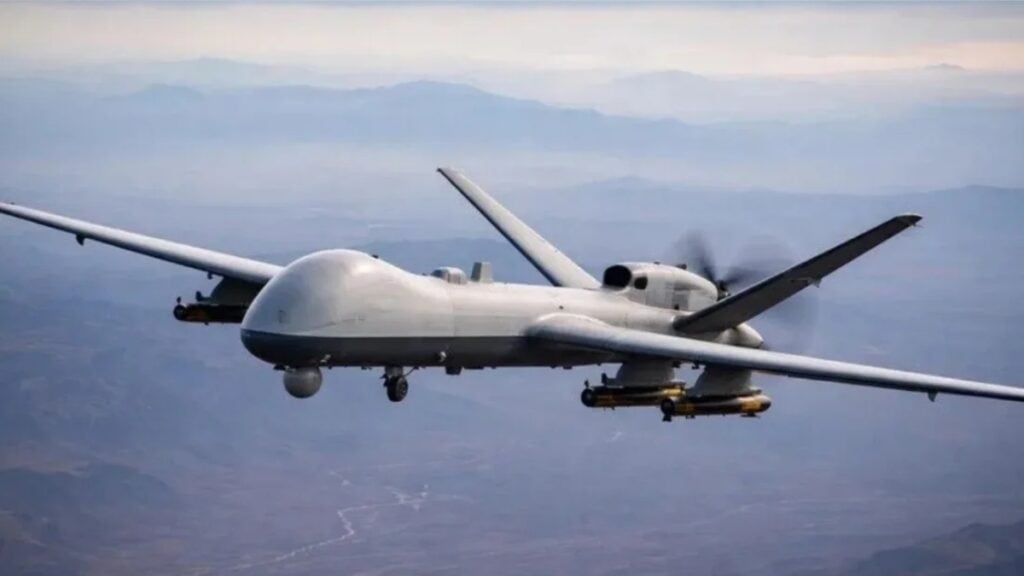
According to Iran’s Tasnim news agency, the IRGC Aerospace Force deployed electronic warfare systems against two MQM-170 drones during the operation. The Iranian agency claimed that the aircraft were brought under Iranian control, preventing them from completing their assigned missions.
With the latest operation, the number of drones of this type reportedly brought under Iranian control has risen to four. However, Tasnim provided no further details about the precise circumstances of the operation, the condition of the aircraft or where they were eventually brought down or landed.
The latest claim follows two similar announcements by Iranian authorities last week, raising fresh questions about military surveillance activities around the Strait of Hormuz.
On Friday, Iran’s state news agency IRNA reported that an MQM-170 drone had been brought down through electronic warfare measures over Qeshm Island. A day earlier, the IRGC Navy claimed it had taken control of another drone in the western section of the strait and forced it to land intact.
The US military rejected the earlier Iranian claim. The conflicting accounts highlighted the lack of independent confirmation surrounding the incidents and the growing sensitivity of military operations in the area.
Electronic warfare systems are designed to disrupt, interfere with or manipulate an adversary’s electronic equipment, including communication, navigation and control systems. Depending on the technology involved, such systems can interfere with a drone’s ability to receive instructions or maintain its intended flight path. Iran has increasingly highlighted its electronic warfare and drone-related capabilities as part of its military strategy.
The Strait of Hormuz remains one of the world’s most strategically significant maritime routes. Connecting the Persian Gulf with the Gulf of Oman, it serves as a major passage for international oil and gas shipments. Any disruption to shipping through the narrow waterway could have serious consequences for global energy supplies, maritime trade and regional security.
Qeshm Island, located near the northern side of the strait, occupies a particularly sensitive geographical position. Its proximity to major shipping lanes makes the surrounding waters important for military surveillance and maritime security operations. The latest Iranian announcement is therefore likely to attract attention beyond the immediate military implications.
The development comes at a time when Tehran and Washington are maintaining indirect diplomatic contacts despite continuing disagreements over regional security and military activities.
Iranian Foreign Ministry spokesman Esmail Baghaei said on Monday that the two countries were continuing to exchange information through intermediaries. He also confirmed that Deputy Foreign Minister Kazem Gharibabadi had travelled to Doha to help facilitate the process through Qatari mediation.
Qatar has played an important intermediary role in diplomatic engagement between Iran and the United States. Doha’s involvement provides both sides with a channel for communication at a time when direct relations remain strained.
The latest drone claims follow a series of military confrontations that began on 28 February this year, when the United States and Israel launched attacks on Iran. Tehran responded with retaliatory strikes across the region, escalating tensions before the confrontation eventually led to a ceasefire in April.
A further attempt to ease tensions came on 18 June, when Iran and the United States signed a memorandum of understanding concerning freedom of navigation in the Strait of Hormuz. However, disagreements over maritime security and the arrangements governing the strategic waterway have stalled its implementation.
The latest incident illustrates the delicate balance between military confrontation and diplomatic engagement. While both countries continue indirect communication through intermediaries, competing military claims and activities around the Strait of Hormuz remain a potential source of renewed tension.
For now, Iran’s latest announcement has not been independently verified, and no confirmation of the incident has been provided by the US military in the information available. The circumstances surrounding the two drones therefore remain unclear.