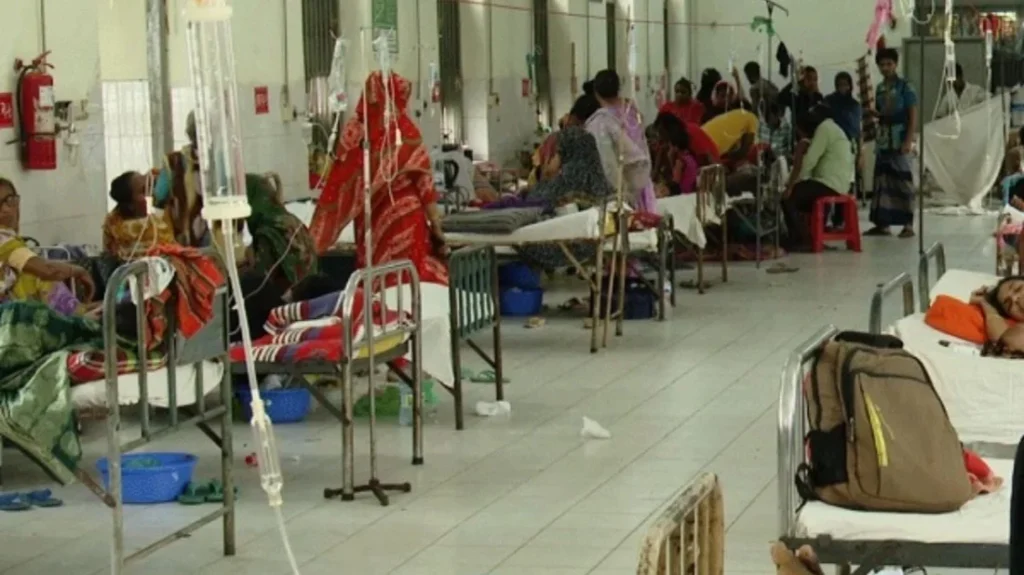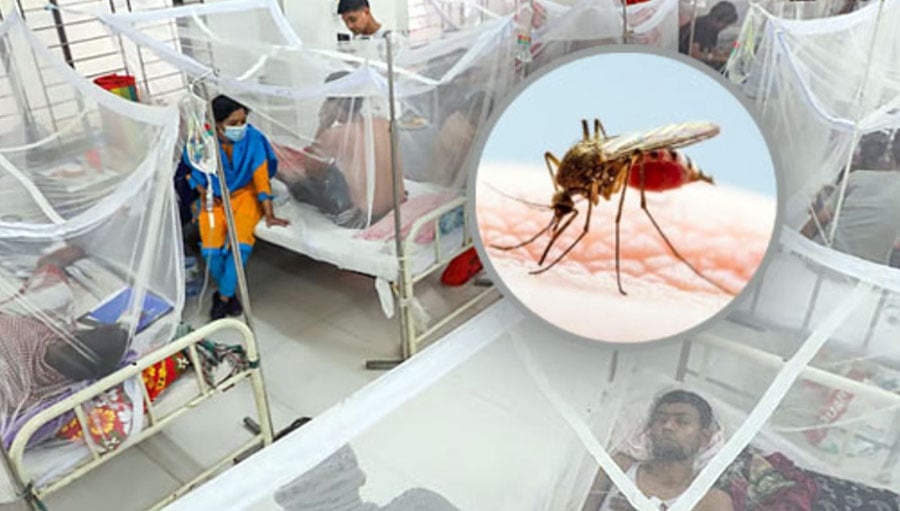
Bangladesh’s ongoing battle against mosquito-borne illnesses has reached a critical juncture following a sharp surge in hospitalisations and fatalities across the country. Over the past twenty-four hours, six more individuals lost their lives to dengue fever, bringing the national death toll for the current year to 439. Concurrently, public health facilities recorded a dramatic influx of new patients, with 2,010 individuals admitted to hospitals nationwide within a single day.
According to the latest official report released by the Directorate General of Health Services (DGHS) on Tuesday, the capital and its surrounding areas remain the epicenter of the current outbreak. Of the six latest casualties, five occurred within the Dhaka Division, whilst the remaining death was registered in the southern coastal region of Barishal Division. The escalating mortality figures underscore the relentless threat posed by the Aedes mosquito vector, particularly during and immediately following the monsoon season when standing water provides ideal breeding grounds.
Hospital admission figures reveal a widespread transmission pattern across all administrative divisions, putting considerable strain on the country’s healthcare infrastructure. Dhaka Division recorded the highest number of fresh admissions, with 943 patients entering hospitals in the last twenty-four hours alone. Healthcare facilities in the Chattogram Division admitted 245 patients, closely followed by Khulna Division with 235 cases. Both Barishal and Rajshahi divisions reported 219 new admissions each, whilst Rangpur registered 65, Mymensingh recorded 60, and Sylhet saw 24 new patients.
An analysis of the cumulative fatality figures highlights severe regional disparities in the severity of the outbreak. Out of the 439 total deaths recorded across Bangladesh this year, Dhaka Division accounts for the vast majority, registering 208 fatalities. Khulna Division stands as the second most affected area with 80 deaths, whilst Chattogram Division has reported 43 casualties. Mymensingh Division has documented 37 fatalities, followed by Barishal with 30, Rajshahi with 29, Rangpur with eight, and Sylhet with four.
Public health experts emphasize that dengue has transitioned from a seasonal urban phenomenon to a persistent year-round public health emergency affecting rural and urban populations alike. Unplanned urbanization, inadequate drainage systems, and unpredictable weather patterns driven by global climate change have significantly extended the breeding window for vectors. Health authorities continue to advise citizens to eliminate stagnant water containers around residential properties, utilize bed nets, and seek prompt medical advice upon experiencing high fever, joint pain, or other characteristic symptoms of the viral infection.