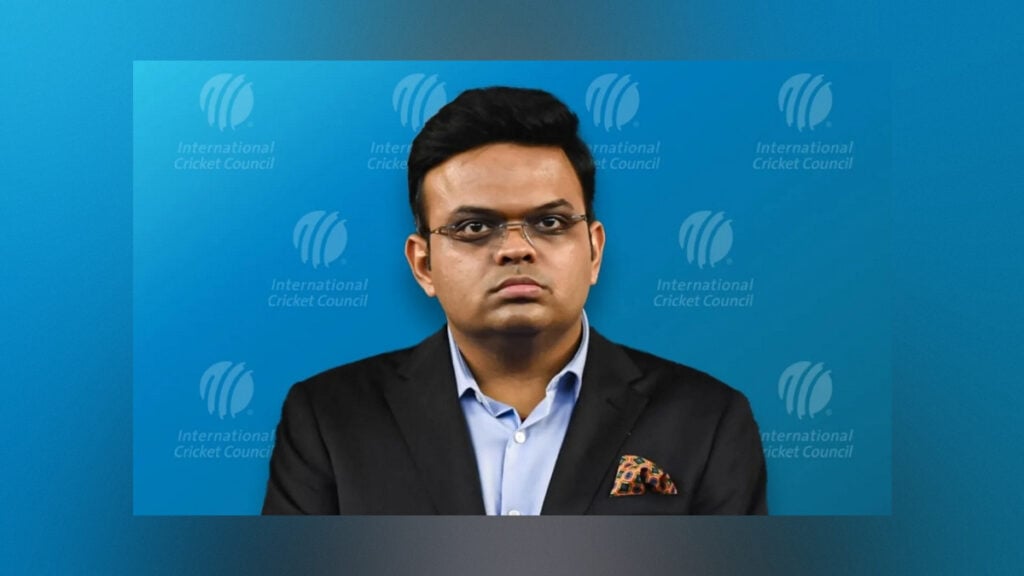
Jay Shah will remain at the helm of the International Cricket Council (ICC) until 2029 after securing a second consecutive term as chairman without opposition. The reappointment of the former secretary of the Board of Control for Cricket in India (BCCI) was confirmed following a proposal from directors at the ICC board meeting in Bali, Indonesia.
With no rival candidate emerging for the position, Shah has secured another three years leading the governing body of world cricket. His second term comes at a significant time for the sport, with major plans underway to expand its international reach, strengthen competitions and prepare for cricket’s return to the Olympic Games.
Shah was first elected ICC chairman unopposed on 27 August 2024 and officially assumed office on 1 December that year. He succeeded New Zealand’s Greg Barclay, becoming the youngest chairman in the organisation’s history at the age of 36. Before moving to the ICC, Shah served as BCCI secretary and held an influential position in the administration of Indian cricket. He is also the son of India’s Home Minister, Amit Shah.
Reacting to his reappointment, Shah expressed gratitude to the ICC board for its continued confidence in his leadership. He said he was honoured by the trust placed in him and appreciated the directors’ ongoing support. He also pledged to work closely with member nations to advance the global interests of cricket.
Shah described the current period as one of the most important and exciting phases in the history of the sport. Among the developments he highlighted was cricket’s return to the 2028 Los Angeles Olympic Games, which he believes will create an exceptional opportunity to introduce the game to new audiences and younger generations.
Cricket’s Olympic return is expected to be a landmark moment for the sport. It last featured at the 1900 Paris Games, where Great Britain and France competed in a single match. After an absence of more than a century, cricket will return in the Twenty20 format at Los Angeles 2028.
The inclusion of cricket in the Olympic programme could help the sport reach audiences in countries where it has traditionally struggled to establish a significant following. It may also create fresh opportunities to attract investment, encourage participation and strengthen cricket’s position within the wider international sporting community.
Shah said his broader ambition was to build a sustainable future for cricket by giving due importance to supporters, players and commercial partners. He also emphasised the sport’s unique ability to bring people together across national and cultural boundaries, describing this as one of its greatest strengths.
Several senior figures from the international cricket community have congratulated Shah on his reappointment. They include Richard Thompson, chairman of the England and Wales Cricket Board (ECB); ICC independent director Ross Rivaz; vice-chairman Tavengwa Mukuhlani; New Zealand Cricket (NZC) director Roger Twose; and Gurumurthy Palani, chairman of the Associate Members.
Their messages also drew attention to several key priorities for the future of international cricket. These include strengthening the international cricket calendar, supporting the continued growth of women’s cricket, expanding the game across Africa and providing greater opportunities for Associate Member nations.
The international cricket calendar remains a major challenge for administrators, particularly as they seek to balance bilateral series, global tournaments and domestic competitions. Women’s cricket is another important area, with efforts continuing to increase participation, improve competitive opportunities and attract a wider audience.
Expanding the sport beyond its traditional strongholds will also require sustained investment and support. Associate Member nations, particularly those in emerging cricket regions, need greater opportunities to compete internationally and develop the infrastructure necessary for long-term progress.
Shah’s second term will therefore involve more than overseeing the existing international structure. The successful organisation of cricket’s Olympic return, the development of women’s competitions and the expansion of the game into new markets will all be important measures of his leadership.
With his position secured until 2029, Shah will have another three years to pursue his vision for the sport. How effectively the ICC translates its ambitions into meaningful progress across established and emerging cricket nations will be closely watched during his new tenure.