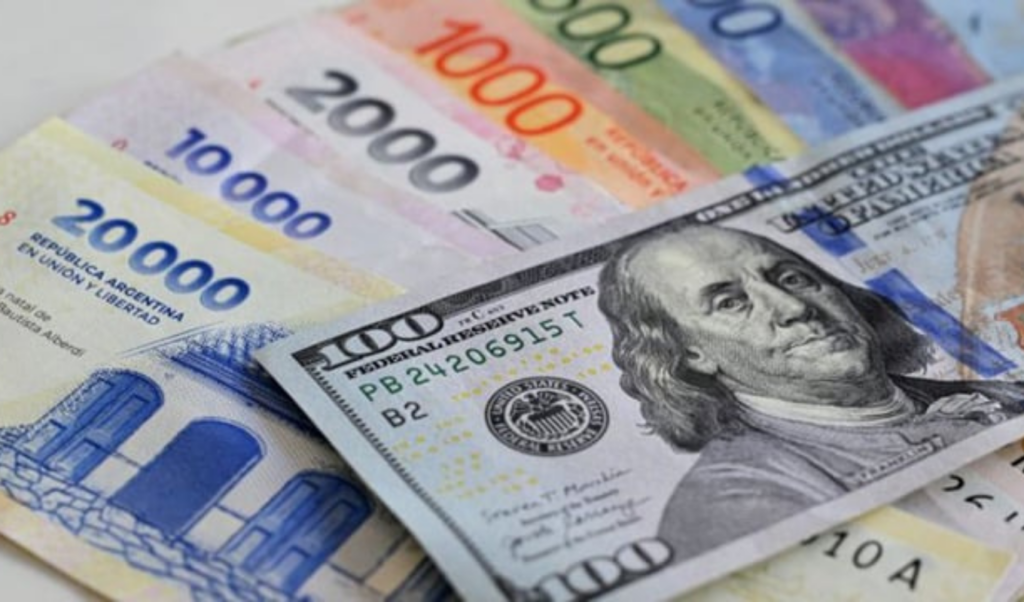
Argentina’s currency crisis deepened on Friday as the peso continued to depreciate against the U.S. dollar, despite multi-billion-dollar financial backing from Washington aimed at stabilising the economy.
The peso’s instability has rattled both consumers and investors ahead of Argentina’s mid-term elections next week. Concerned citizens rushed to buy U.S. dollars and household goods in anticipation of further devaluation after the polls.
| Date/Time | Exchange Rate (ARS/USD) | Change |
| Thursday (close) | 1,430 | — |
| Friday (opening) | 1,465 | ↓ Depreciation begins |
| Friday (mid-session) | 1,485 | Near upper limit of floating band |
The government of President Javier Milei has been struggling to restore market confidence. Despite attempts to maintain control through a managed floating exchange rate, the peso’s value slid perilously close to the upper boundary of its trading band.
U.S. Treasury Secretary Scott Bessent announced on Wednesday a new $20 billion financial “facility” to assist Argentina’s economy, supplementing the earlier $20 billion “swap line” unveiled in September.
This brought total U.S. commitments to $40 billion, boosting Argentine stock markets temporarily.
Bessent said the new package would involve private banks and sovereign wealth funds, primarily targeting Argentina’s debt markets. He emphasised that the U.S. Treasury was “monitoring all markets” and retained the ability to act “with flexibility and force” to stabilise the peso.
In Buenos Aires, ordinary Argentines voiced their unease.
- Mariana Rodriguez, a 34-year-old advertising executive, told AFP she was considering buying a new television “before the elections”.
- Rosana Gonzalez, aged 48, said she had requested an advance on her salary “to buy dollars”.
Since September 8, following the ruling party’s defeat in key provincial elections, the peso has lost around 7% of its value against the dollar.
A report by Capital Economics, a UK-based research firm, noted that while U.S. intervention might offer short-term relief, the peso remains overvalued by approximately 30%.
“The exchange rate regime is unsustainable,” said analyst Kimberley Sperrfechter, adding that “the peso will likely need to weaken after the elections.”
She also questioned whether continued U.S. support would persist if Milei’s party performs poorly in the upcoming polls.
Political Pressure and U.S. Ties
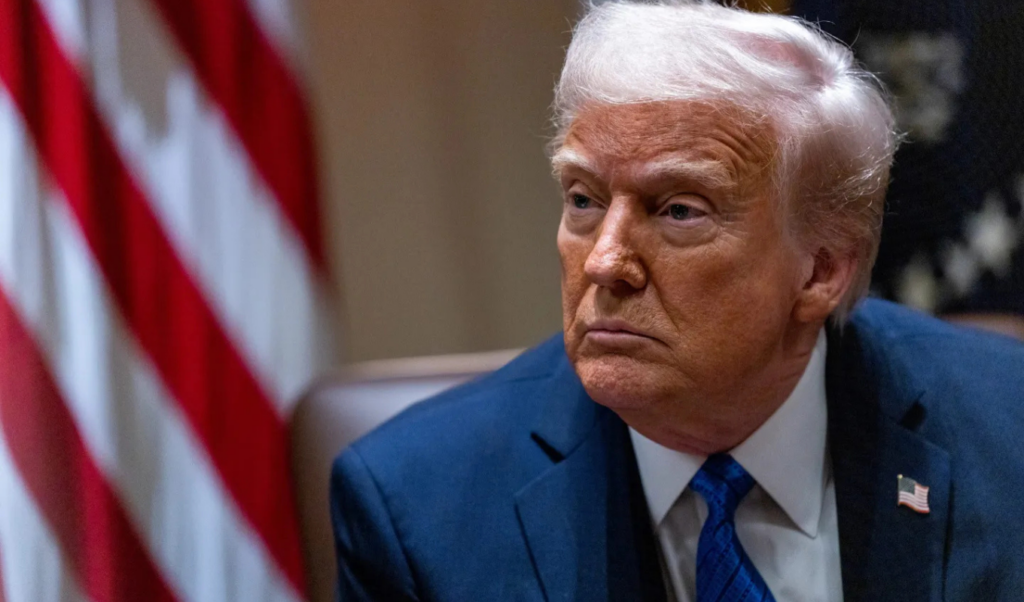
President Donald Trump, a vocal supporter of Milei, recently hosted him at the White House. During the meeting, Trump reportedly warned Argentine voters that U.S. assistance could be withdrawn if Milei were defeated: “If he loses, we are not going to be generous with Argentina,” Trump declared.
The International Monetary Fund (IMF) confirmed ongoing cooperation with Argentina and the U.S. to “support stability and growth,” while urging Buenos Aires to rebuild its foreign reserves.
Earlier in April, the IMF had approved a $20 billion loan, adding to Argentina’s already substantial debt obligations.
Meanwhile, inflation, which Milei had initially contained after assuming office in December 2023, has begun to rise again. Economic stagnation and dwindling reserves have further undermined confidence in the government’s ability to manage the crisis.