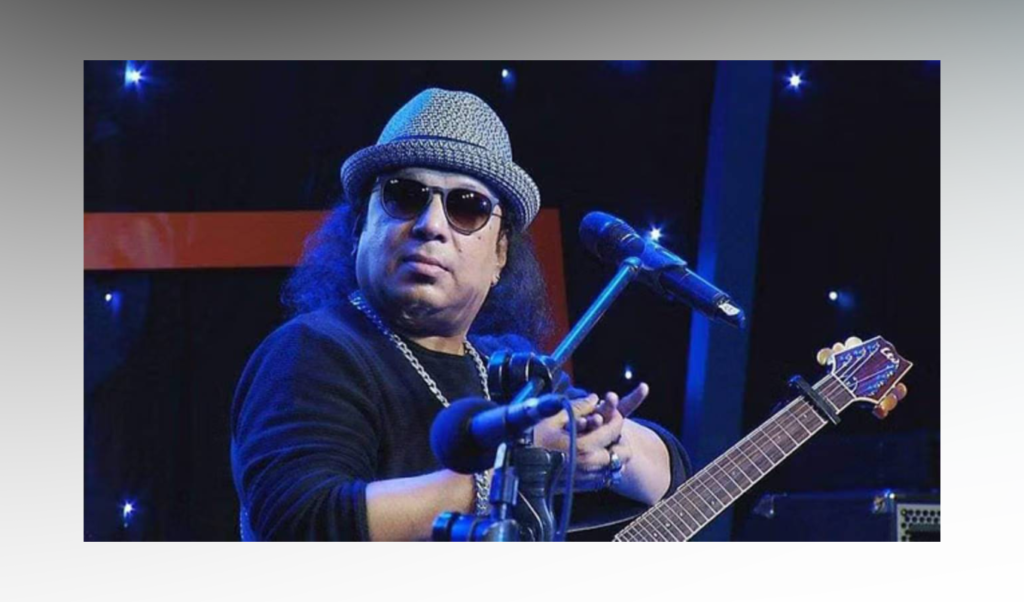
A tribute project aimed at preserving the musical heritage of late rock icon Ayub Bachchu has encountered intense backlash from listeners, with tensions centring on a re-imagined rendition of one of his most beloved tracks. The initiative, structured around a commemorative twenty-track album titled Uttoradhikar (Legacy), enlisted contemporary bands and artists to modernise Bachchu’s discography for younger audiences. Commercial proceeds from the venture were earmarked to fund a dedicated Ayub Bachchu museum, yet the artistic direction of several releases has provoked bitter division across the country’s music community.
The rollout commenced on 16 August to mark the legendary frontman’s birth anniversary, opening with a cover of “Rupali Guitar” performed by Bappa Mazumder. While seven tracks have been made available so far, public sentiment shifted sharply following the release of “Ghumonto Shohore”, reinterpreted by music producer and singer Adit Rahman. The track departed markedly from Bachchu’s original arrangement, incorporating substantial alterations to the vocal phrasing, tempo, and underlying melody.
Long-time admirers quickly voiced their anger on digital platforms, arguing that the rework stripped the ballad of its emotional weight and distorted its core character. Many listeners characterised the adaptation as disrespectful to the memory of the LRB (Love Runs Blind) founder. Calls for the immediate removal of the track from YouTube escalated, with several commentators even threatening legal injunctions if the video remains online. Listeners took to the comments section to vent their dismay, writing that the song lacked soul and ruined the classic composition.
The controversy also drew reactions from fellow musicians. Artiste Molla Babu, whose own acoustic cover of Bachchu’s “Koshto Kake Bole” earned praise during the tribute period, weighed in with measured criticism. While appreciating the broader ambition behind Uttoradhikar, he noted that contextual reverence was lost in the execution of the controversial track. He remarked that had it been an original piece by Adit, it would stand as a polished composition, but as an Ayub Bachchu cover, the intrinsic emotional appeal of the original was entirely absent.
Amid mounting controversy, public scrutiny shifted towards guitarist Abdullah Al Masud, Bachchu’s long-standing LRB bandmate and the general secretary of the Ayub Bachchu Foundation. Masud, who has managed various preservation initiatives since the icon’s passing in 2018, moved swiftly to distance himself from the tribute album. In a detailed public statement, Masud confirmed he had no involvement with the conception, production, or managerial oversight of the Uttoradhikar project. He emphasised that preserving the dignity, emotional depth, and integrity of Bachchu’s catalogue remains his sole priority, reaffirming that he would never participate in any venture that compromised the late legend’s legacy.