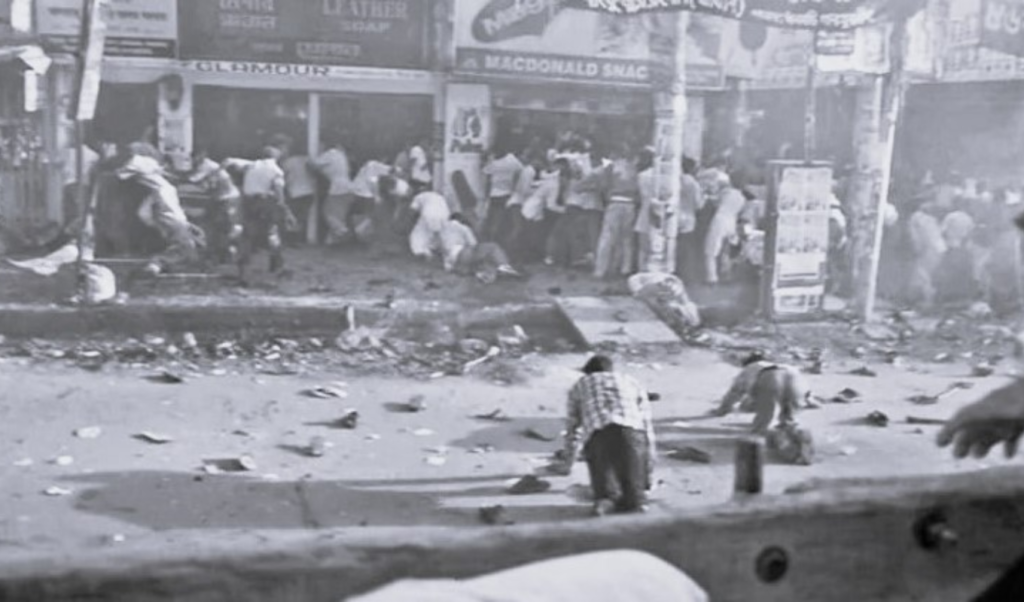
The bloody carnage of 21 August 2004 remains one of the darkest chapters in the political history of Bangladesh. On that sweltering afternoon, a series of military-grade Arges grenades tore through an Awami League rally on Bangabandhu Avenue in central Dhaka. The explosions killed 24 leaders and activists, including Ivy Rahman, the party’s women’s affairs secretary and wife of late president Zillur Rahman, whilst leaving hundreds maimed. Sheikh Hasina, then the leader of the opposition, narrowly escaped assassination. What followed was a protracted, convoluted legal odyssey spanning more than two decades, culminating not in definitive justice, but in an unsettling judicial vacuum where all 49 individuals previously convicted now stand formally acquitted.
On 1 December 2024, the High Court overturned the 2018 trial court verdicts, citing grave procedural flaws, unreliable evidence, and confessions allegedly extracted through coercion. The state appealed, yet on 4 September 2025, the Appellate Division upheld the complete acquittals. In doing so, the apex court struck down the High Court’s observation recommending a fresh, specialised investigation, reasoning that such directives constituted judicial overreach into executive policy. The legal architecture that sustained the case for over a decade collapsed entirely.
The initial probe under the BNP-led administration remains infamous for orchestrating the “Joj Mia” narrative. Investigators produced Jalal Ahmed, an impoverished youth from Noakhali, extracting a stage-managed confession to frame him as a central perpetrator. Subsequent inquiries thoroughly debunked this fabrication, exposing how senior police and intelligence officers actively derailed the investigation.
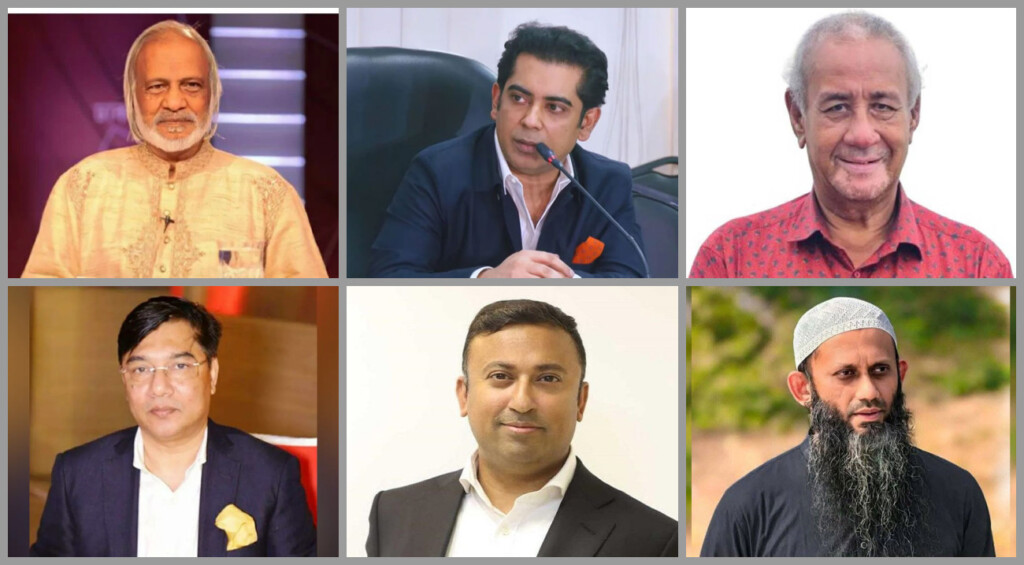
A dramatic shift arrived during the 2007–2008 military-backed caretaker government. The Criminal Investigation Department (CID) submitted a charge sheet against 22 individuals in June 2008, centering on the militant outfit Harkat-ul-Jihad al-Islami Bangladesh (HuJI-B) and its chief, Mufti Abdul Hannan. Following the Awami League’s ascent to power, further investigations yielded a supplementary charge sheet in 2011. This expanded the net to 52 accused, incorporating high-profile political figures including Tarique Rahman, former state minister for home affairs Lutfozzaman Babar, and former deputy minister Abdus Salam Pintu.
In October 2018, Dhaka Speedy Trial Tribunal-1 handed down capital punishment to 19 accused, sentenced another 19 to life imprisonment, and awarded varying prison terms to 11 others. The prosecution had presented a three-tier conspiracy: militant foot soldiers who executed the strike, political figures who plotted and facilitated it, and state officials who shielded the culprits.
Yet, the higher judiciary found this narrative legally unsustainable. The High Court and Appellate Division observed a stark absence of credible, direct evidence establishing who procured, transported, and hurled the grenades. Crucially, the retracted confessions recorded under Section 164 fell short of legal scrutiny. The prosecution’s case was severely compromised after Mufti Hannan was executed in another case before his formal examination under Section 342 could take place in this trial.
The acquittals do not suggest the massacre never occurred; the deaths and devastation remain indisputable facts. Rather, the courts ruled that guilt was not proven beyond reasonable doubt against the specific individuals charged. Today, no living person stands legally convicted of the carnage. Establishing an independent inquiry faces insurmountable practical hurdles, including degraded physical evidence, fading witness memories, deceased key figures, and retired investigators. More than two decades on, the tragedy of 21 August persists: a horrific crime with victims and survivors, yet no legally established culprits.