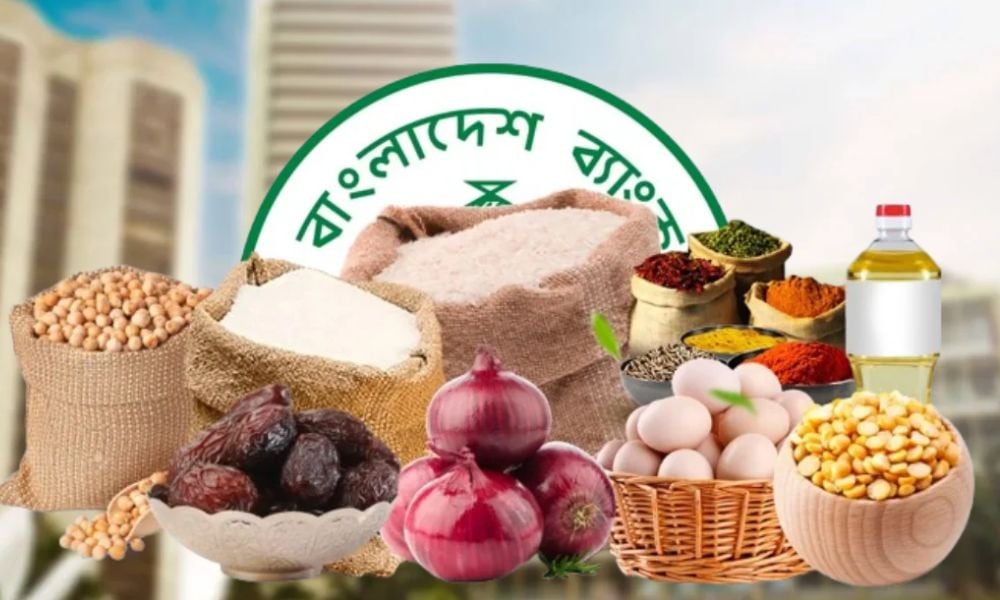
In a decisive move to stabilize domestic market prices and guarantee a steady supply of essential commodities ahead of the holy month of Ramadan, Bangladesh Bank has relaxed its import payment regulations. Under the newly introduced framework, importers can now bring in 11 key dietary staples on up to 90 days of deferred payment credit.
The Foreign Exchange Policy Department of the central bank issued the directive on Wednesday through a circular dispatched to all Authorised Dealer banks across the country. The temporary relaxation permits businesses to procure these essential goods under supplier’s or buyer’s credit arrangements, significantly easing upfront foreign exchange pressures on domestic merchants. This financial dispensation remains effective immediately and will continue until 15 March.
The items eligible under this extended credit facility encompass:
-
Rice
-
Wheat and flour
-
Onions
-
Pulses
-
Soybean oil and palm oil
-
Sugar
-
Chickpeas
-
Peas
-
Spices
-
Dates
Demand for food items typically surges sharply during Ramadan as households prepare daily pre-dawn and fast-breaking meals. Historically, this seasonal spike leads to supply chain bottlenecks and rapid price hikes across local bazaars. By allowing importers to deferred-settle their import bills after shipping and distributing the cargo, the central bank aims to lower barriers to entry, improve liquidity, and prevent artificial scarcity.
Under a supplier’s credit agreement, international vendors export goods directly to domestic buyers with an agreed timeline for subsequent payment. Conversely, buyer’s credit involves financial support from foreign banks or institutions that settle the vendor’s invoice upfront, allowing the importer to repay the lending institution over the 90-day window. Both mechanisms provide crucial relief to importers who might otherwise struggle with immediate dollar liquidity.
Authorised Dealer banks have been instructed to immediately notify their commercial clients and facilitate transactions within the stipulated window. Bangladesh Bank confirmed that all other standard foreign exchange regulations remain fully operational.