Bangladesh is facing a severe surge in mosquito-borne illness as the Directorate General of Health Services (DGHS) confirmed nine additional dengue-related fatalities and 1,902 new hospital admissions across the country within a single 24-hour period ending Monday morning. The latest figures bring the national death toll from the disease to 271 for the current year, underscoring the growing public health challenge posed by the seasonal outbreak.
According to official data released in the health bulletin, the nine individuals who succumbed to the fever comprised five men and four women. Demographically, women currently account for approximately 52 per cent of total deaths this year, while men make up the remaining 48 per cent. Public health experts suggest that delayed hospital admissions and higher vulnerability among certain age brackets remain critical factors in fatal outcomes.
Hospital wards across the nation are experiencing intense pressure. With 1,902 patients admitted between Sunday morning and Monday morning, the cumulative tally of recorded dengue hospitalisations in Bangladesh has risen to 88,360 this year. On a positive note, recovery rates remain substantial: 1,988 patients were discharged from treatment facilities during the same period, bringing total recoveries to 82,335.
Regional breakdowns highlight widespread transmission beyond the capital. Dhaka Division, excluding the municipal city corporation zones, reported the highest single-day influx with 401 new cases. Regional healthcare centres elsewhere faced similar pressures: Khulna reported 306 admissions, Chittagong registered 272, Barisal documented 216, Rajshahi saw 105, Mymensingh admitted 98, and Rangpur recorded 66 patients. Within the capital, hospitals under the Dhaka South City Corporation treated 223 new cases, whilst Dhaka North City Corporation facilities admitted 206 patients and recorded three of the nine fatalities.
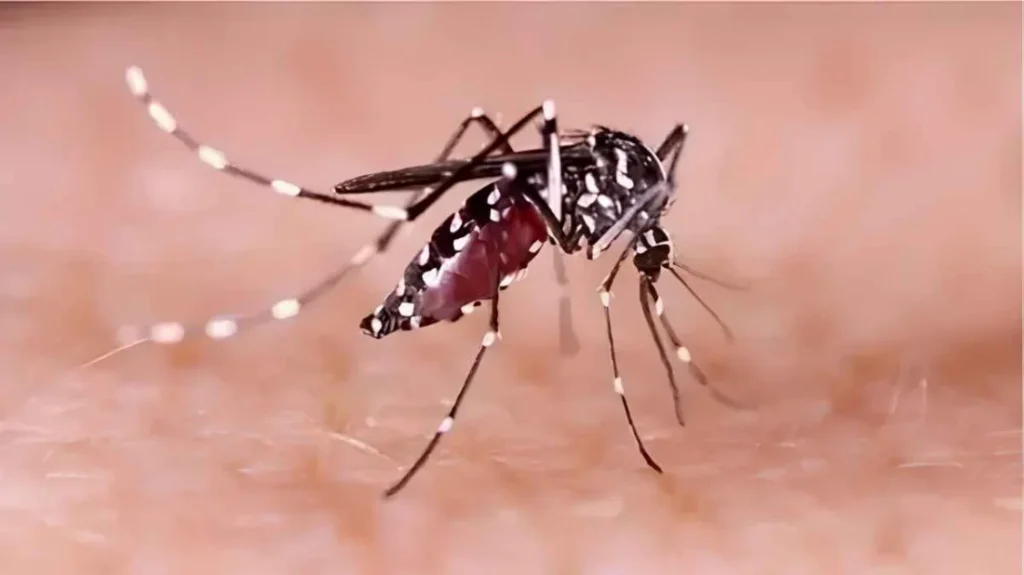
The persistent spread of dengue fever—transmitted predominantly by the Aedes aegypti mosquito—remains intimately tied to climate factors, including prolonged monsoon rainfall, high humidity, and stagnant water accumulation in urban areas. Epidemiologists continue to urge local authorities to intensify vector-control measures, including larviciding and targeted fogging, while advising citizens to eliminate standing water sources around residences to disrupt breeding cycles.