Bangladesh’s public health authorities have recorded six additional deaths from dengue fever within a single 24-hour window, pushing the nation’s total fatality count for the current year to 249. Alongside these casualties, 1,608 new patients were admitted to hospitals across the country, underscoring the relentless pressure on the national healthcare infrastructure during this peak transmission season.
According to the latest bulletin issued on Saturday, 3 October, by the Directorate General of Health Services (DGHS), two of the six recent fatalities occurred within the jurisdiction of the Dhaka South City Corporation (DSCC). The period covered in the report spans from 8:00 AM on Friday to 8:00 AM on Saturday.
The month-by-month mortality breakdown reveals a sharp spike in infections and severe illness over recent weeks:
-
January: 2 deaths
-
February: 2 deaths
-
March: 0 deaths
-
April: 0 deaths
-
May: 1 death
-
June: 13 deaths
-
July: 36 deaths
-
August: 43 deaths
-
September: 148 deaths
September proved to be the deadliest month of the year so far, accounting for nearly 60 per cent of all recorded deaths.
The cumulative total of hospital admissions for dengue since January has now reached 84,369. Fortunately, recovery rates remain relatively strong. A total of 1,621 patients were discharged from treatment centres over the same 24-hour timeframe, bringing the total number of successful recoveries across the country to 78,482.
Territorially, the central Dhaka Division continues to serve as the epicentre of the outbreak, registering 525 new hospital admissions in the latest daily count. Other divisions across Bangladesh also reported substantial burdens on local medical facilities:
-
Dhaka Division: 525 hospitalisations
-
Chittagong Division: 319 hospitalisations
-
Khulna Division: 276 hospitalisations
-
Barisal Division: 215 hospitalisations
-
Rajshahi Division: 132 hospitalisations
-
Mymensingh Division: 79 hospitalisations
-
Rangpur Division: 62 hospitalisations
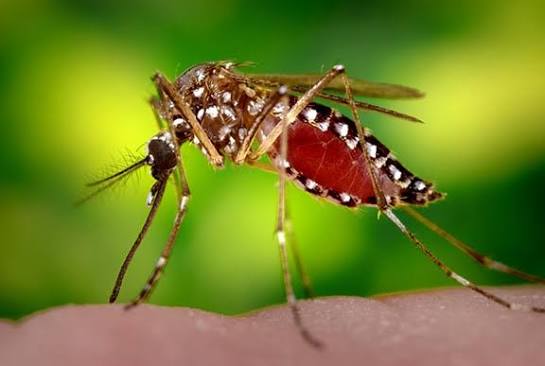
Dengue, a mosquito-borne viral infection transmitted predominantly by female Aedes aegypti mosquitoes, remains an endemic threat throughout South Asia. Monsoon rains, stagnant water accumulation in urban environments, and high population density create ideal breeding conditions for vector mosquitoes. Health officials continue to urge citizens to clear standing water around homes, utilise mosquito nets, and seek immediate medical care upon experiencing persistent high fever, joint pain, or rash.