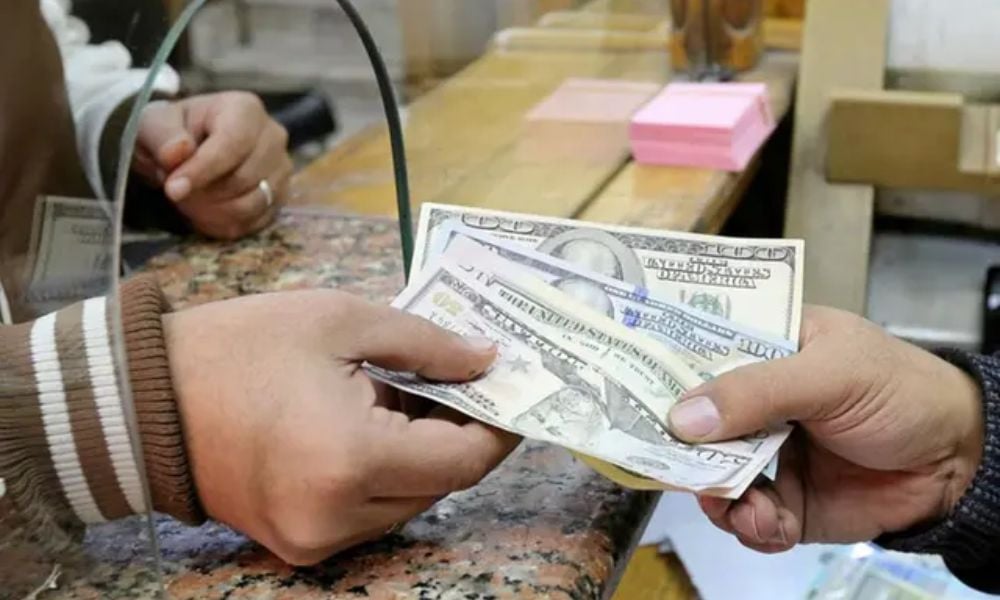
Bangladesh’s economic landscape relies heavily on international trade and foreign transactions, making daily currency fluctuations a critical factor for businesses and citizens alike. Exchange rate movements directly influence the costs of imported goods, export earnings, remittance inflows, and expenditures related to overseas education and medical care. The foreign exchange market has experienced a notable shift recently, with the value of the US dollar easing back from its previous highs to return to more stable territory.
As of today, Tuesday, 1 September 2026, the US dollar is trading at 122.85 taka in the interbank foreign exchange market. Last month, the greenback climbed to a peak of 123.82 taka before pulling back to today’s level. Data from central and commercial banks show that interbank rates began last month anchored near 122.85 taka. Currency management measures and shifting market pressures later pushed the rate upward before the recent correction alleviated the upward trajectory.
The structural adjustments implemented last month aligned with policy guidelines associated with the International Monetary Fund. These steps contributed to a gradual depreciation of the taka, causing the average monthly price of the dollar to rise by approximately one taka. However, a comparatively stable supply of foreign currency within the domestic banking sector has since introduced a downward trend to the market.
Market dynamics and trade volumes are tightly bound to these currency adjustments. An elevated dollar increases procurement costs for importers, which subsequently filters through to production expenses and consumer retail prices. Conversely, a moderation in the dollar’s value offers a welcome reprieve for import-dependent enterprises managing foreign liabilities. Robust remittance inflows further bolster foreign currency liquidity within the formal banking network, mitigating extreme market volatility. Rigorous central bank oversight of commercial foreign exchange dealings also assists in maintaining equilibrium between official and open-market valuations, narrowing the historical spread between the two channels.
The official minimum exchange rates for major foreign currencies against the Bangladeshi taka are detailed below.
| Foreign Currency | Exchange Rate in Bangladeshi Taka (BDT) |
| US Dollar | 122.85 |
| Euro | 142.70 |
| Pound Sterling | 166.42 |
| Canadian Dollar | 88.66 |
| Australian Dollar | 88.03 |
| Chinese Yuan | 18.28 |
| Singapore Dollar | 96.61 |
| Indian Rupee | 1.29 |
| Malaysian Ringgit | 30.42 |
| Saudi Riyal | 32.54 |
| Qatari Riyal | 33.62 |
| Kuwaiti Dinar | 397.17 |
| UAE Dirham | 33.43 |
Note: Foreign exchange rates fluctuate continuously based on market conditions.
Industry analysts note that while the narrowing gap between official and informal rates signals positive monetary health, today’s rate of 122.85 taka remains subject to future global trade shifts, import demand, and balance of payment dynamics. Individual financial institutions may quote minor variations depending on institutional policy and timing. Stakeholders engaging in substantial cross-border transactions are advised to confirm the latest rates directly with their commercial banks prior to execution.