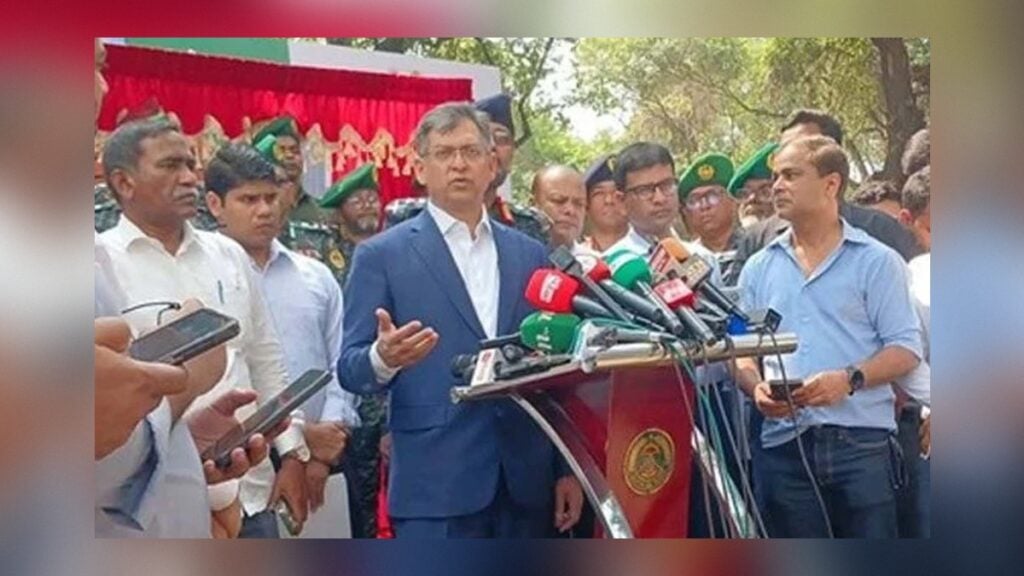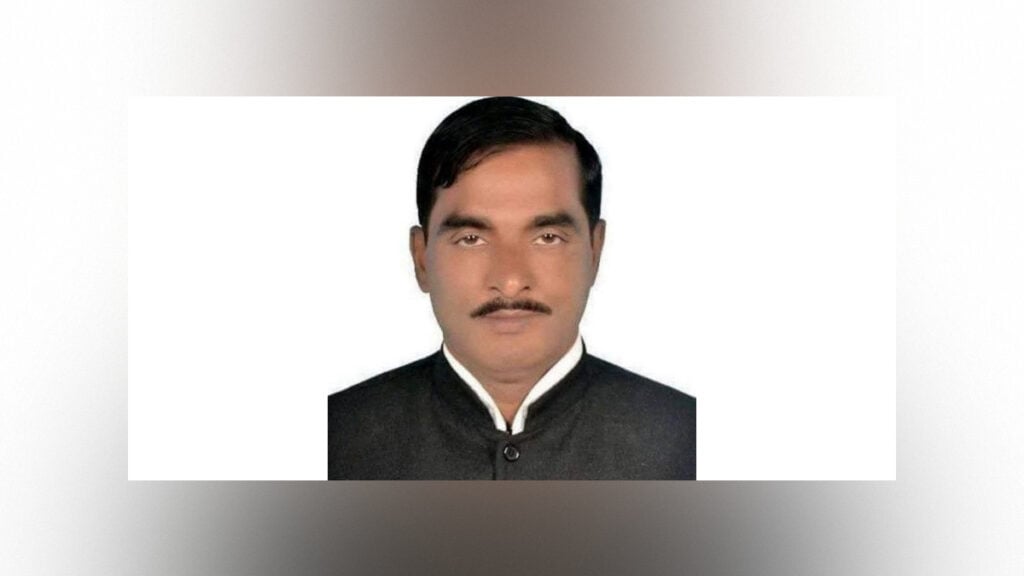
Bangladesh is not currently considering the introduction of a dengue vaccine, Health Minister Sardar Md Sakhawat Hossain has said, despite the country facing a serious dengue outbreak.
The minister said the government would consider the issue if international health organisations, including the World Health Organisation (WHO), UNICEF and Gavi, provide the necessary approval or recommendations.
The government’s position means that, for now, Bangladesh will not move towards a national dengue vaccination programme solely in response to the current outbreak. Any future decision is expected to take account of international guidance, scientific evidence and the recommendations of major global health and immunisation bodies.
The issue has gained renewed attention as dengue cases and deaths have risen sharply in Bangladesh. September 2026 was the country’s deadliest month for dengue this year, with 148 deaths reported during the month. By 1 October, at least 79,620 people had been hospitalised with dengue since January, while the reported death toll had reached 245, according to figures cited in a Reuters report. Health experts have warned that recent rainfall and changing weather conditions could extend the dengue season into October, placing additional pressure on an already stretched healthcare system.
There is already an internationally recognised dengue vaccine. WHO currently recommends Qdenga, also known as TAK-003, for children aged six to 16 in settings where dengue transmission is intense and the disease burden is high. The vaccine is administered in two doses, with a three-month interval between them.
WHO granted prequalification to TAK-003 in May 2024. The vaccine, developed by Takeda, is a live-attenuated vaccine containing weakened versions of the four dengue virus serotypes. WHO’s prequalification system assesses health products against standards relating to quality, safety and efficacy, allowing products that meet those standards to become eligible for procurement by United Nations agencies.
However, WHO’s recommendation does not mean that the vaccine should automatically be introduced into every country affected by dengue. The organisation recommends its use in settings with high transmission intensity and a substantial disease burden. Countries need to consider local epidemiological evidence, including the age groups most affected and the pattern of hospitalisations, before deciding whether a vaccination programme would provide meaningful public-health benefits.
There are also limitations and safety considerations. WHO does not currently recommend routine use of TAK-003 in children below six because of lower efficacy in that age group. The vaccine is also not recommended for pregnant or breastfeeding women and certain people with weakened immune systems. WHO’s vaccine safety committee has separately reviewed reports of hypersensitivity reactions, including anaphylaxis, following administration of Qdenga.
Dengue itself is caused by four related virus serotypes and is transmitted primarily by infected Aedes mosquitoes. Infection with one serotype provides only partial and temporary protection against the other three. WHO notes that sequential infections can increase the risk of severe dengue.
For Bangladesh, the vaccine question therefore sits alongside the broader challenge of controlling mosquito-borne transmission. WHO says vaccination should form part of an integrated dengue-control strategy rather than replace measures such as vector control, appropriate clinical management, surveillance and community engagement. Preventing mosquito breeding, reducing stagnant water around homes and protecting people from mosquito bites remain important elements of disease prevention.
The health minister’s remarks indicate that Bangladesh will wait for clearer international guidance before considering a dengue vaccination strategy. With the disease continuing to put pressure on hospitals and communities, the immediate focus remains on managing patients and controlling the spread of Aedes mosquitoes while the government keeps the vaccine option under review.