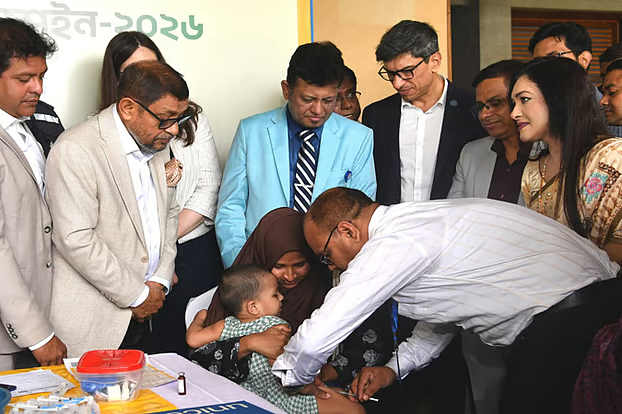
The Government of Bangladesh has officially initiated a comprehensive emergency vaccination drive across the country to combat the recent outbreak of measles. This public health intervention aims to immunise approximately 18 million children aged between 6 and 59 months.
Official Inauguration and Operational Details
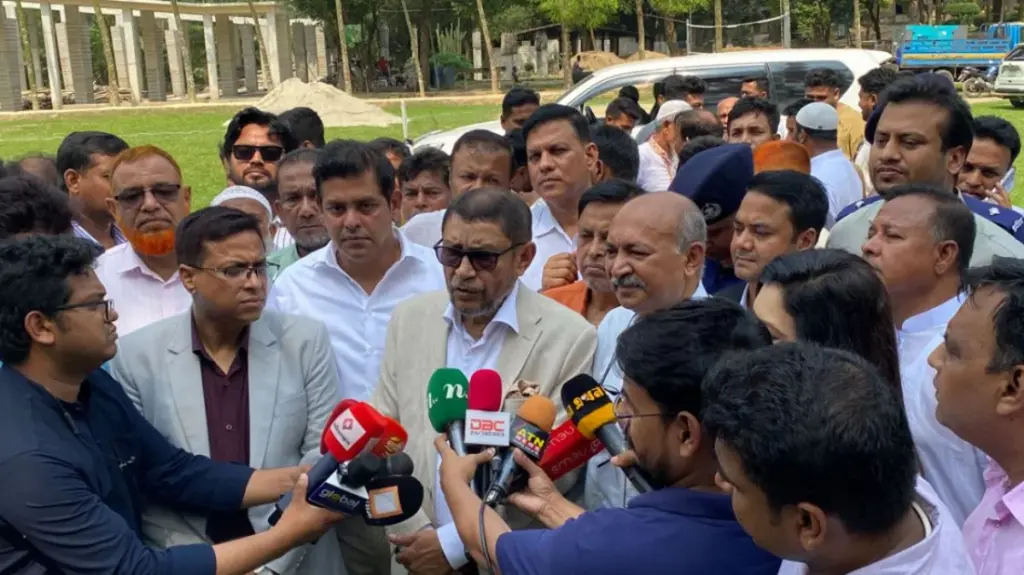
The campaign was formally inaugurated on Monday morning by the Minister of Health and Family Welfare, Sardar Md. Sakhawat Hossain, at the ‘Little Angel Seminary’ located in Zinda Park, Rupganj Upazila, Narayanganj. During the launch, the Minister emphasised the importance of collective immunity to prevent the spread of highly contagious viral infections like measles and rubella.
According to the government schedule, vaccines will be administered from 8:00 am daily at all permanent and temporary vaccination centres nationwide. However, services will be suspended on weekly holidays. This logistical framework ensures that even remote communities have access to the life-saving vaccine through temporary outreach centres.
Phased Implementation Strategy
The Assistant Director of the Expanded Programme on Immunisation (EPI), Hasanul Mahmud, clarified that the campaign is structured across different phases to ensure maximum coverage across diverse geographical regions, including 30 upazilas in 18 districts and four major city corporations.
The following table outlines the specific timelines for the various phases of the vaccination programme:
| Phase / Region | Start Date | End Date |
| First Phase: 30 Upazilas in 18 Districts | 5 April | 25 April |
| Second Phase: Major City Corporations | 12 April | 12 May |
| National Emergency Drive: General Areas | 20 April | 12 May |
| National Emergency Drive: City Corporation Areas | 20 April | 20 May |
The four city corporations prioritised in the second phase include Dhaka North, Dhaka South, Barishal, and Mymensingh.
Health Guidelines and Eligibility
The Directorate General of Health Services (DGHS) has issued specific medical protocols for parents and guardians to follow during this period. While the campaign seeks to cover as many children as possible, certain clinical restrictions apply:
-
Current Illness: Children currently suffering from fever or other acute illnesses should not be vaccinated immediately. They are advised to receive the vaccine only after they have fully recovered.
-
Dose Intervals: If a child has received their first dose of the measles vaccine recently, a minimum interval of four weeks (28 days) must be maintained before the next dose can be administered.
-
Target Demographic: The emergency drive is strictly limited to children aged 6 months to 59 months.
Public Health Context
Measles and rubella are significant causes of childhood morbidity and mortality if left unchecked. Measles can lead to severe complications such as pneumonia, encephalitis, and blindness, while rubella is particularly dangerous for pregnant women, potentially causing congenital rubella syndrome in newborns. By targeting 18 million children, the EPI seeks to close the immunity gap and prevent future outbreaks, adhering to the global goal of measles and rubella elimination.