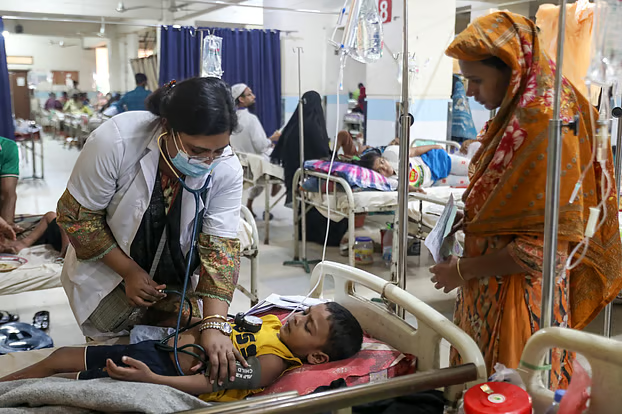
The Directorate General of Health Services (DGHS) disclosed the figures in its regular dengue update issued on Saturday, 24 October. The reporting period covered Friday at 8 am to Saturday at 8 am.
The latest fatalities bring the total number of dengue-related deaths recorded in Bangladesh since January to 376. The cumulative number of people admitted to hospital with the disease has reached 121,699, reflecting the scale of the outbreak across the country.
The number of hospital admissions recorded so far this year has already surpassed the full-year totals for both 2024 and 2025. By 24 October, admissions had exceeded the 2025 figure by 18,838 and the 2024 total by 20,485.
In 2025, Bangladesh recorded 102,861 dengue-related hospital admissions and 413 deaths nationwide. In 2024, the country reported 101,214 admissions and 575 deaths.
Although the number of admissions this year is higher than in either of the previous two years, the figures cover different reporting periods. The 2026 total remains incomplete, while the figures for 2024 and 2025 represent full calendar years. The number of deaths recorded so far this year is also below the full-year totals for both previous years.
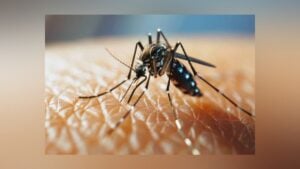
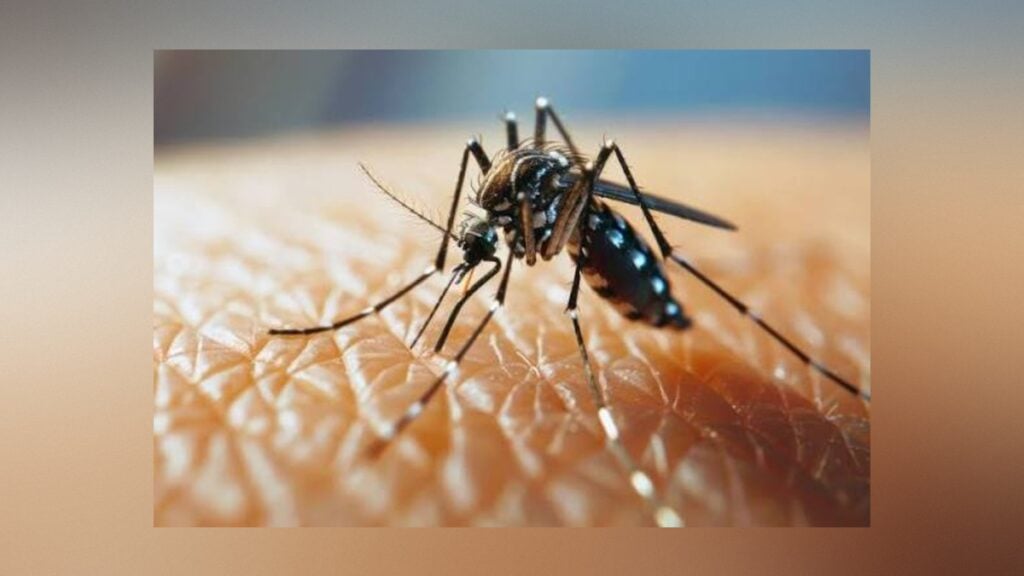
Dengue is a viral infection transmitted primarily through the bites of infected Aedes mosquitoes. These mosquitoes can breed in stagnant water collected in flower pots, discarded containers, old tyres, coconut shells and uncovered water-storage vessels. Even small amounts of standing water can provide suitable breeding sites, making household and community-level prevention essential.
Common symptoms include fever, headache, muscle and joint pain, pain behind the eyes and nausea. While many patients recover with appropriate medical care, some develop severe dengue, which can cause serious complications and become life-threatening.
Warning signs include severe abdominal pain, persistent vomiting, bleeding from the nose or gums, unusual weakness and breathing difficulties. Anyone experiencing these symptoms should seek urgent medical attention. Patients should consult qualified healthcare professionals if dengue is suspected and follow medical advice rather than relying on self-medication.
The period when a fever subsides can also be critical, as some patients develop complications even after their temperature begins to return to normal. Continued monitoring is therefore important, particularly for people whose symptoms worsen.
Preventing mosquito breeding remains a key measure in controlling the spread of dengue. Regularly removing stagnant water, covering water-storage containers and keeping household surroundings clean can help reduce breeding sites. Using mosquito repellents, wearing clothing that covers the arms and legs, and taking steps to prevent mosquito bites can provide additional protection.
The latest figures underline the continuing public health challenge facing Bangladesh. With 121,699 hospital admissions and 376 deaths recorded between January and 24 October, sustained mosquito-control efforts, public awareness and timely access to medical care remain crucial to reducing the toll of the disease.