Bangladesh is witnessing a sharp rise in dengue infections midway through the monsoon, with hundreds of new patients being admitted to hospitals every day and fatalities continuing to mount. The growing number of cases is placing additional pressure on healthcare facilities, particularly in Dhaka, where patients from different parts of the country are increasingly seeking treatment.
According to the latest data released by the Directorate General of Health Services, 839 new dengue patients were admitted to hospitals across the country in the 24 hours to 23 August, while five people died from the disease. With these additions, the total number of dengue patients admitted to hospitals this year had reached 28,929 by 23 August. The death toll stood at 82, while 26,897 patients had recovered and been discharged.
The latest figures underline the rapid acceleration of the outbreak in August. Dengue infections had already increased considerably in July, when 9,206 patients were hospitalised and 36 deaths were recorded. The sharp rise followed a relatively lower level of transmission during the first half of the year.
839 patients admitted in a single day
The 839 new admissions recorded on 23 August represent the highest number of dengue patients admitted in a single day so far this year, according to reports citing health authorities.
Of the newly admitted patients, 287 were from Dhaka Division, 159 from Khulna, 117 from Barishal, 100 from Chattogram, 79 from Mymensingh, 71 from Rajshahi, 23 from Rangpur and three from Sylhet.
Four of the five people who died were from Dhaka Division, while the remaining victim was from Mymensingh Division.
The regional distribution of new cases also highlights an important shift in the pattern of the outbreak. Although Dhaka continues to account for a substantial share of hospital admissions, dengue is no longer confined to the capital. Increasing numbers of patients are being reported across several divisions, indicating wider transmission.
August follows July’s sharp rise
The monthly figures show how quickly the situation has changed.
In January, 1,081 dengue patients were admitted to hospitals. The number fell to 409 in February and 353 in March before rising to 640 in April and 714 in May. In June, hospital admissions increased substantially to 2,907.
The increase became much more pronounced in July, when 9,206 patients were admitted and 36 deaths were recorded. The continuing rise in August has raised concerns that transmission could remain high through the peak monsoon period.
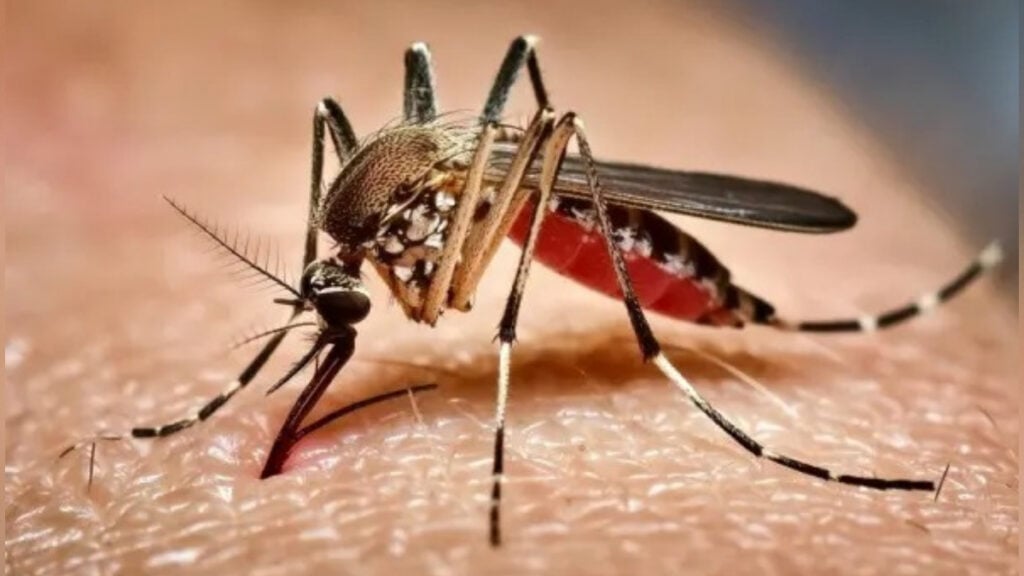
Public health specialists have repeatedly stressed the importance of early preparation during the rainy season, when stagnant water can create favourable breeding conditions for Aedes mosquitoes, the principal vector responsible for transmitting dengue.
Growing pressure on hospitals in Dhaka
Hospitals in Dhaka are facing additional pressure as patients from outside the capital continue to arrive for treatment. Limited diagnostic and treatment facilities at some district and upazila-level hospitals, along with the need for specialised care in severe cases, can contribute to the movement of patients towards Dhaka.
Yet many dengue patients can be treated effectively at district-level hospitals when they are diagnosed early and monitored appropriately. Ensuring adequate medical staff, diagnostic facilities, intravenous fluids and the capacity to identify warning signs can reduce unnecessary transfers and help prevent hospitals in the capital from becoming overwhelmed.
The growing patient load therefore presents a challenge not only for Dhaka but for the wider healthcare network. Strengthening treatment capacity outside the capital is an important part of managing a nationwide outbreak.
Rainwater creates new breeding grounds
The Aedes mosquito generally breeds in small collections of relatively clean, stagnant water. During the monsoon, rainwater can accumulate in flowerpots, discarded containers, tyres, construction sites, rooftop areas, drains and other locations around homes and workplaces.
Urban waterlogging and construction activity can make the problem more difficult to manage. Even a small quantity of standing water can provide a potential breeding site if it remains undisturbed.
For this reason, dengue prevention cannot depend solely on mosquito-control operations carried out by city authorities or local administrations. Regular inspections of homes, commercial premises, construction sites and public spaces are also necessary to identify and remove breeding sites.
Mosquito control requires sustained action
Public health experts have stressed that simply spraying insecticides is not enough to control dengue. Mosquito-control campaigns can have limited impact if breeding sites remain nearby.
If stagnant water is left in private residences, construction sites or institutional premises, mosquito populations can quickly recover. Effective control therefore requires coordinated action involving city corporations, local administrations, health authorities, educational institutions, construction companies and members of the public.
Residents can contribute by regularly checking rooftops, balconies, gardens, water containers and other areas where rainwater may accumulate. Removing stagnant water and keeping containers properly covered can reduce opportunities for Aedes mosquitoes to breed.
Healthcare preparedness becoming increasingly important
The rising number of patients is also increasing the need for hospitals to prepare adequately. Sufficient beds, intravenous fluids, diagnostic facilities and trained medical personnel are essential as the outbreak intensifies.
Early identification of patients at risk of developing severe dengue is particularly important. While many people recover with appropriate supportive treatment, some can develop serious complications requiring close monitoring and intensive medical care.
The health authorities’ dengue surveillance system provides regular information on hospital admissions, deaths and the geographical distribution of cases. Such data can help identify areas where transmission is increasing and where mosquito-control and healthcare resources may need to be prioritised.
The scale of the challenge becomes clearer when the current figures are compared with last year’s total. In 2025, Bangladesh recorded 102,861 hospital admissions for dengue and 413 deaths. Although this year’s cumulative figures by 23 August remain below last year’s full-year totals, the rapid increase during the current monsoon is a warning that the situation could worsen if transmission continues to accelerate.
Coordinated response needed before transmission peaks
Specialists have urged authorities to treat dengue control as both a public health and environmental challenge rather than solely a hospital-based issue.
Areas recording clusters of cases should receive priority for mosquito surveillance, identification of breeding sites and targeted control measures. Regular monitoring of mosquito larvae, mapping of affected areas and rapid intervention where transmission is increasing can help authorities respond more effectively.
At the same time, public awareness remains essential. People need to recognise dengue symptoms early and seek medical attention when necessary, while communities must take responsibility for removing stagnant water from their surroundings.
With the monsoon still under way, the coming weeks will remain critical. Treating patients after they reach hospital is only one part of the response. Reducing the number of mosquitoes capable of transmitting the virus requires sustained action at household, community and institutional levels.
Unless mosquito-breeding sites are systematically identified and eliminated alongside adequate hospital preparedness and surveillance, the continuing rise in dengue cases could place further pressure on Bangladesh’s healthcare system and lead to additional deaths.