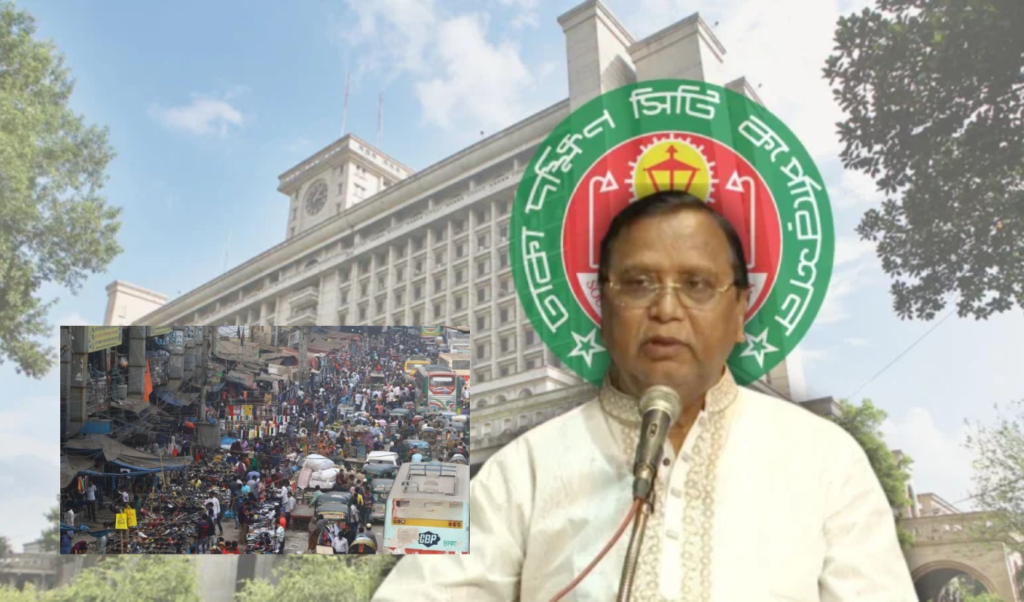
In a major policy shift aimed at bringing order to the capital’s chaotic footpaths and streets, Dhaka South City Corporation (DSCC) is preparing to introduce a comprehensive registration scheme for street vendors. Under the proposed framework, hawkers will be granted official permits to operate within strictly designated locations and time slots upon paying scheduled fees, announced DSCC Administrator and freedom fighter Md. Abdus Salam.
Speaking at a consultation meeting with hawker representatives at Nagar Bhaban, the administrator outlined the core tenets of the proposed Hawker Management Policy. The primary objective is to balance the livelihoods of street vendors with the rights of pedestrians, maintaining smooth traffic flow and transforming Dhaka into a safer, cleaner, and more accessible metropolis.
Under the new system, registered vendors will be issued smart cards equipped with barcodes and QR codes, enabling quick verification by traffic police and municipal officials. These non-transferable licences will explicitly detail the hawker’s approved trade category, designated plot, stall dimensions, operational hours, and monthly management fees. Should a vendor decide to cease operations or alter their trade type, prior municipal approval will be mandatory. Expanding stalls or encroaching beyond the allocated space will carry strict penalties, including registration cancellation.
To secure a permit, applicants must be Bangladeshi citizens aged 18 or above, with a strict rule limiting eligibility to one licence per household. DSCC pledges to process applications within one month, subject to space availability. Once finalized, an updated directory containing vendors’ names, addresses, and business details will be published on the DSCC website and notice boards to foster transparency.
Financial terms within the draft policy set a one-time registration fee of 5,000 BDT, alongside an annual renewal fee of 2,500 BDT. In addition, vendors will pay a monthly management fee of 3,000 BDT to cover municipal space usage, sanitation, and administrative overheads. Unauthorised extortion by local syndicates will be strictly prohibited, ensuring that registered hawkers retain exclusive rights to their assigned spots.
Urban spatial planning remains a core priority of the initiative. Vendors will only be permitted on sidewalks that retain a clear, unobstructed width of at least five to six feet for pedestrian movement. Vending will be banned entirely along arterial roads, with strict buffer zones enforced around metro stations, bus stops, and major intersections to prevent traffic bottlenecks. Residential areas will be discouraged from hosting stalls, while sports grounds, school yards, places of worship, and graveyards remain off-limits.
The policy also introduces structured commercial opportunities, including weekend ‘Holiday Markets’ focusing on handicrafts and household goods, as well as ‘Night Markets’ situated along commercial corridors after business hours. These specialty markets will prioritize access for female entrepreneurs and persons with disabilities. Furthermore, food vendors will face stringent hygiene standards, with mandatory health inspections required before operation.
During the consultation, hawker representatives expressed concerns over the proposed fee structure, urging DSCC to reduce both registration and monthly charges while ensuring structured rehabilitation for long-standing traders, particularly in Old Dhaka and Jurain. Administrator Abdus Salam assured representatives that their feedback would be carefully weighed, emphasizing that the city corporation seeks a compassionate yet effective solution that safeguards vendor livelihoods alongside public interest.