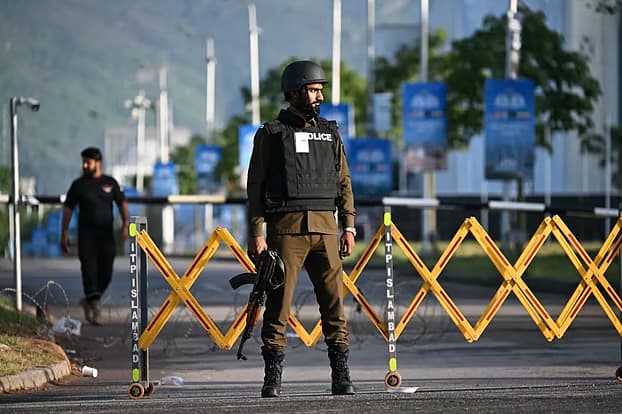
The foreign ministers of Egypt and Pakistan have engaged in high-level discussions aimed at bolstering diplomatic efforts between Iran and the United States. In a significant telephone exchange, Egypt’s Minister of Foreign Affairs, Badr Abdelatty, and Pakistan’s Deputy Prime Minister and Foreign Minister, Ishaq Dar, reviewed the current geopolitical landscape and the potential for de-escalation through renewed dialogue.
Diplomatic Objectives and Ceasefire Hopes
According to an official statement released by the Egyptian Ministry of Foreign Affairs, both ministers expressed a shared optimism regarding the second round of discussions between Tehran and Washington. The primary objective of these diplomatic channels is to secure a formal agreement that would facilitate a permanent ceasefire.
The ministers emphasised that a successful mediation process is essential to:
-
Reductions in regional tensions.
-
The cessation of ongoing hostilities.
-
The creation of a conducive environment for long-term peace.
Maritime Security and Sovereign Concerns
During the dialogue, Minister Abdelatty highlighted the critical necessity of maintaining the freedom of international navigation. Given the strategic importance of the Red Sea and the Suez Canal to global trade, Egypt has remained steadfast in its requirement for unhindered maritime passage.
Furthermore, the discussion touched upon the specific security concerns of regional stakeholders. Minister Abdelatty underscored the importance of addressing the apprehensions of Arab Gulf states, asserting that any comprehensive settlement must account for the sovereignty and safety of all nations within the proximity of the conflict zones.
Key Diplomatic Summary
| Feature | Details |
| Primary Participants | Badr Abdelatty (Egypt) & Ishaq Dar (Pakistan) |
| Core Subject | Iran-United States diplomatic negotiations |
| Desired Outcome | Permanent ceasefire and regional de-escalation |
| Strategic Priorities | Freedom of navigation and Gulf security |
| Communication Channel | Official Telephonic Discussion |
Contextual Significance
The collaboration between Cairo and Islamabad reflects a broader trend of Middle Eastern and South Asian nations seeking to mediate between Western powers and Iran. Egypt, acting as a pivotal gatekeeper for global logistics, and Pakistan, maintaining a complex yet vital relationship with its neighbour Iran, both view the stability of the Persian Gulf and the Gulf of Oman as non-negotiable economic interests.
The ministers concluded by reaffirming their commitment to continued coordination. They noted that the success of the second round of talks between Iran and the United States would not only resolve bilateral grievances but would also act as a cornerstone for broader Middle Eastern security. By aligning their foreign policy objectives, Egypt and Pakistan aim to exert collective pressure on the negotiating parties to prioritise humanitarian stability and the preservation of international trade routes over continued military engagement.