The ongoing energy crisis in Bangladesh has broken past industrial boundaries, cascading down the supply chain to deeply squeeze household budgets. From soaring cooking oil and sugar prices to inflated transport fares and crippled poultry production, the pinch of gas and electricity shortages is now felt across every layer of the economy.
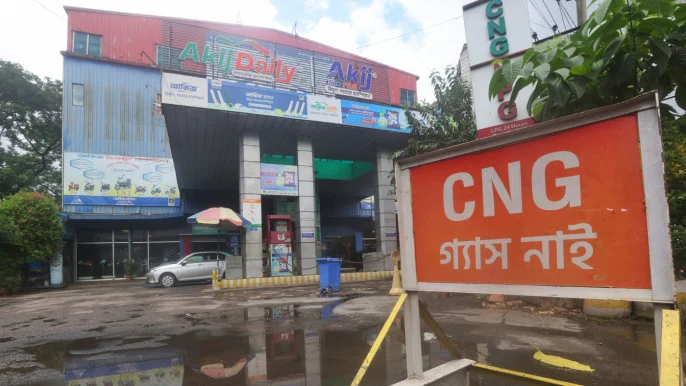
Housewives and salaried workers alike find themselves caught in a vice. In Dhaka’s Mogbazar, loose soybean oil recently retailed at 195 taka per litre, marking a sharp jump from the 180 taka price tag just a fortnight prior. Meanwhile, sugar prices at kitchen markets climbed from 110 taka to 130 taka per kilo within a three-day window, with distributors hiking bulk wholesale rates overnight. Commuters face parallel pressures; compressed natural gas shortages have halved daily driving times for auto-rickshaw drivers, who now demand up to 500 taka for routes that typically cost 350 taka just to cover daily vehicle rentals and operational costs.
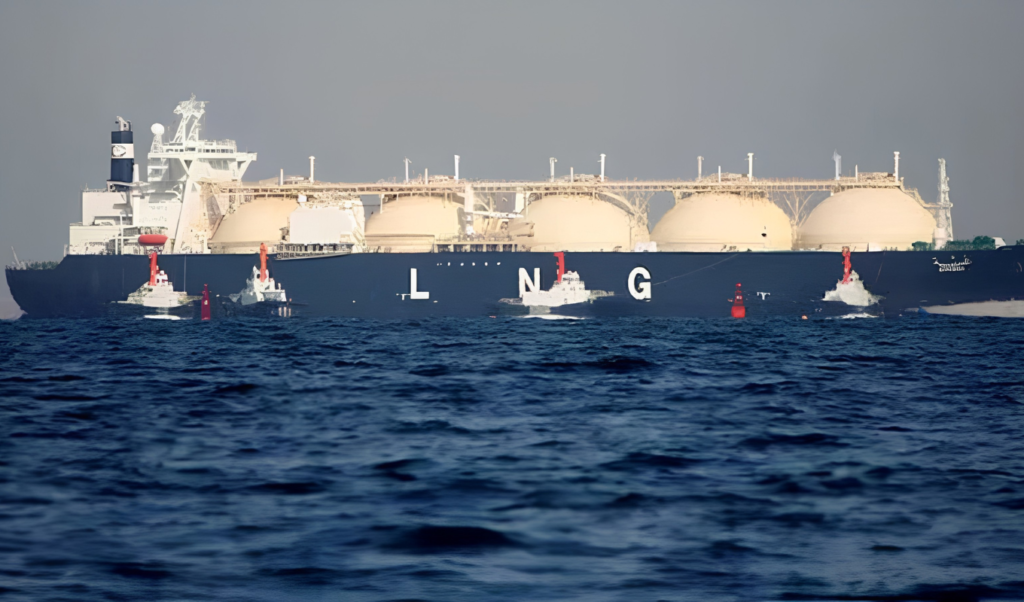
This widespread strain traces back to systemic vulnerabilities. In late July, an explosion at a floating LNG terminal operated by Excelerate Energy in Maheshkhali suspended operations for weeks, severely aggravating an already fragile national energy balance. The resulting shortfall forced power plants to throttle generation, triggering rolling blackouts that stalled industrial manufacturing lines.
Manufacturers across sectors report heavy losses. Major industrial segments—including steel, cement, textiles, plastics, and ceramics—are operating far below capacity. Steel producers, for instance, face an effective doubling of their per-tonne energy overhead because fixed utility expenditures must be paid regardless of reduced output. Consequently, steelmakers report losses of 4,000 to 5,000 taka per tonne of rod. Cement manufacturers face similar bottlenecks, noting that restarting heavy machinery after unannounced grid failures drains both time and fuel, lifting overall production costs by roughly 10%.
The crisis has also upended the agricultural and poultry sectors. Broiler chicken prices climbed from 180 taka to 200 taka per kilo, while a dozen eggs jumped from 130 taka to 150 taka. Industry leaders explain that hatcheries require uninterrupted electricity for twenty-one-day incubation cycles. Frequent grid failures force producers to run diesel generators continuously, pushing operational expenses past sustainable limits while heat stress simultaneously raises mortality rates among livestock.
Faced with escalating international raw material costs and inflated local energy bills, consumer goods companies have begun utilizing shrinkflation. Popular brands of detergent, soap, and personal care items have quietly reduced net weights while keeping retail prices static, or simply raised prices outright. As businesses grapple with shrinking margins and structural supply deficits, ordinary citizens are left shouldering the heavy cost of a compounding national utility crunch.