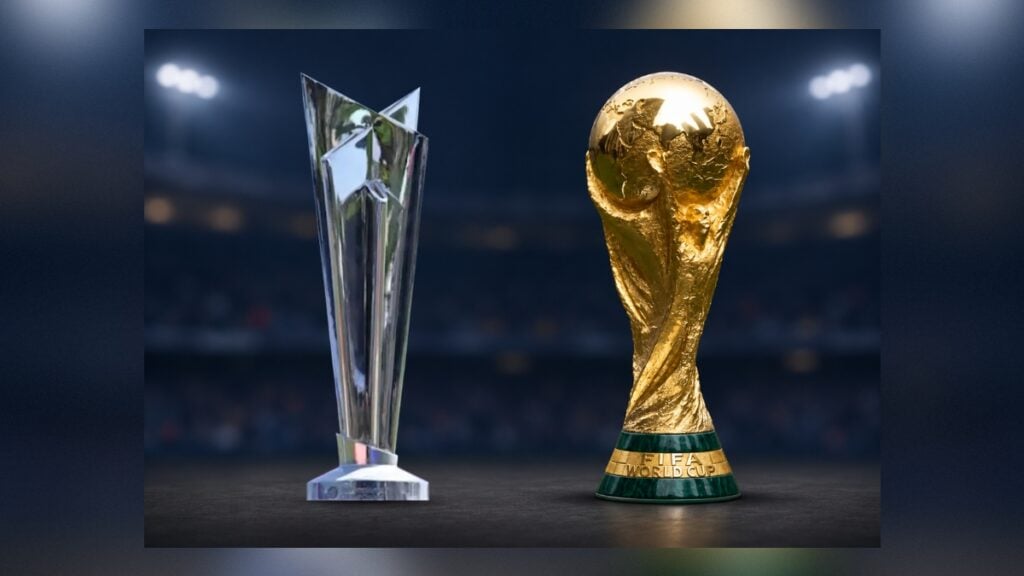
According to the schedule announced by the International Cricket Council (ICC), the 2030 T20 World Cup is due to begin on 4 July and run until 4 August. England, Ireland and Scotland will jointly host the tournament, marking a major occasion for cricket in Europe.
The competition will bring together national teams from across the world to compete for one of the most coveted titles in the shortest format of the men’s game. T20 cricket has become an increasingly prominent part of the international sporting calendar, attracting audiences with its fast-paced action, aggressive batting and relatively short matches.
The 2030 FIFA World Cup, meanwhile, will carry particular historical significance as the competition marks its centenary. The first edition was held in Uruguay in 1930, establishing a tournament that has since grown into one of the most widely followed sporting events in the world.
To commemorate 100 years of the competition, FIFA has arranged an unusual hosting structure involving six countries across three continents. Morocco, Portugal and Spain will serve as the principal hosts, while Uruguay, Argentina and Paraguay will stage three special centenary matches.
The arrangement will connect the tournament’s modern celebration with its origins in South America. Uruguay, in particular, holds a special place in World Cup history, having hosted and won the inaugural competition.
According to FIFA’s published schedule, the 2030 football World Cup will begin on 8 June, with the final scheduled for 21 July. Its closing stages will therefore coincide with the opening weeks of the T20 World Cup.
The overlap will be particularly significant from 4 to 21 July, when both competitions are scheduled to run simultaneously for 18 consecutive days. During that period, football supporters will be following the race for the World Cup trophy while cricket fans watch their national teams compete in the T20 tournament.
The scheduling coincidence is likely to create a particularly exciting period for countries where both sports enjoy substantial support. In Bangladesh, for example, football and cricket have passionate followings, meaning many supporters will be keen to keep up with both competitions.
For viewers who follow both sports, however, the overlapping schedules could present a practical challenge. Important football fixtures and cricket matches may compete for attention, particularly if they are scheduled at similar times. Supporters may have to plan their viewing carefully to avoid missing key moments.
Broadcasters will also face the task of accommodating audiences interested in two major international competitions taking place across different countries and time zones. The combination of football’s centenary celebrations and a major T20 tournament could make July 2030 an especially busy period for international sports coverage.
With the football World Cup carrying a century of history and the T20 competition bringing its own brand of fast-paced excitement, the summer of 2030 promises an unusual sporting spectacle. For millions of supporters, the biggest challenge may not be choosing which team to support, but deciding which match to watch first.