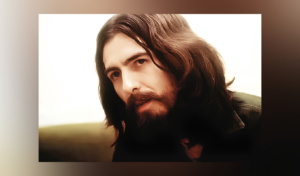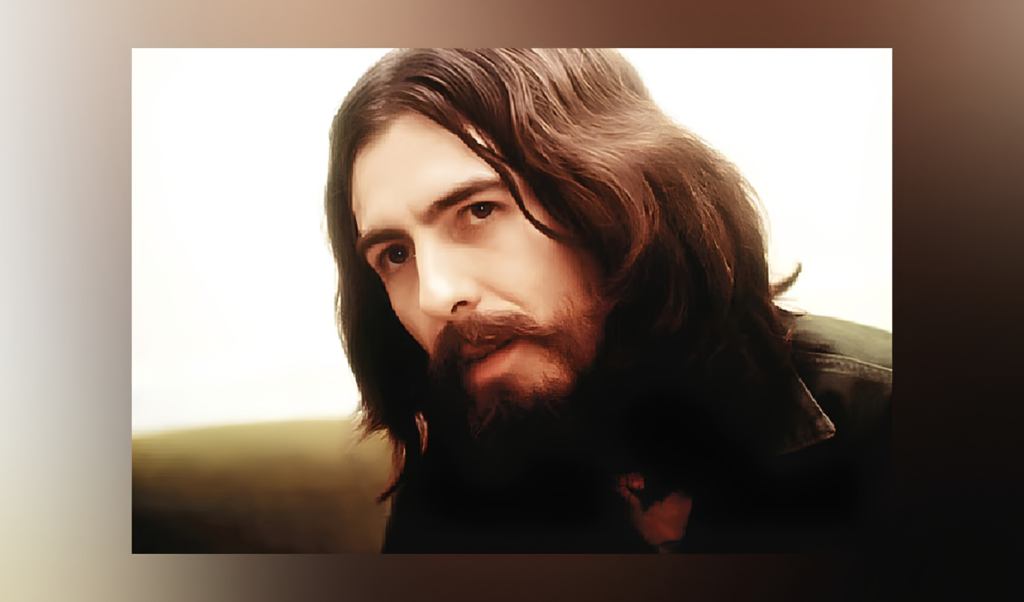
On 1 August 1971, a bearded young man in a crisp white suit stood on the stage of New York’s Madison Square Garden, guitar in hand. Through his music, the name of a fledgling nation echoed across the arena: Bangladesh. At that moment, the Liberation War was raging, and millions had fled across the border into India to escape the atrocities committed by the Pakistani military. At just 28 years old, having recently embarked on his solo career following the breakup of The Beatles, British musician George Harrison chose to channel his global fame into an unprecedented humanitarian effort for the Bengali people.
Thirty years later, on 29 November 2001, Harrison died of cancer in Los Angeles at the age of 58. Today marks the 25th anniversary of his passing. While music lovers around the world celebrate him as a legendary Beatle, Bangladesh remembers him as an enduring, true friend.
A Friend’s Urgent Plea
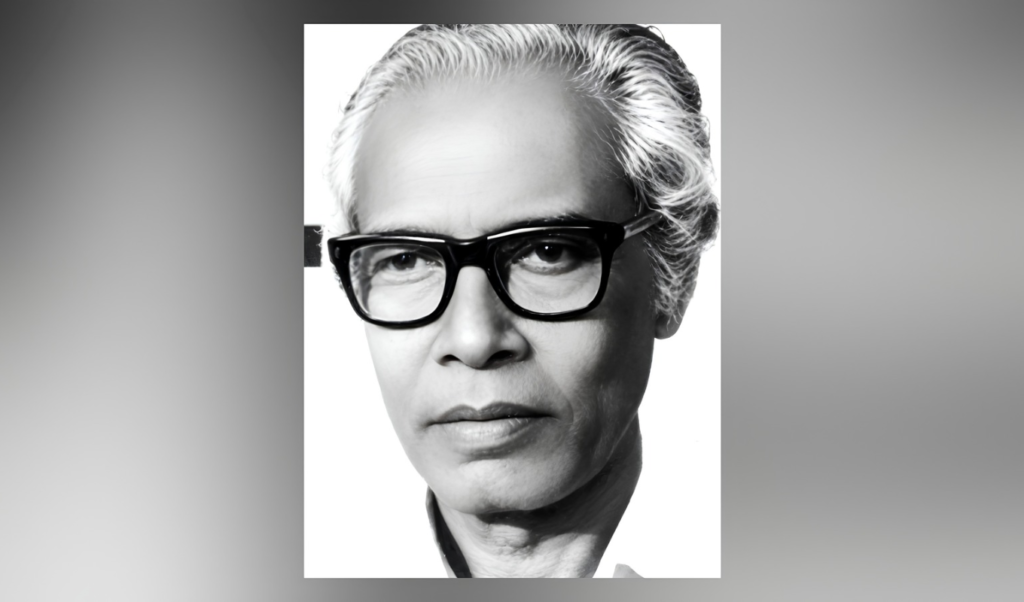
Harrison held a deep reverence for Indian classical music, a passion that fostered a close friendship with sitar maestro Pandit Ravi Shankar. During the turmoil of 1971, Shankar brought the plight of Bangladeshi refugees to Harrison’s attention. In his autobiography, I, Me, Mine, Harrison recalled that while working in Los Angeles in June 1971, Shankar proposed organising a benefit concert to aid the displaced millions. Shankar regularly sent international newspaper clippings detailing the war, allowing Harrison to grasp the full scale of the crisis and commit wholly to the cause.
Relations among the former Beatles were strained following the band’s dissolution, yet Harrison set aside personal grievances to rally his peers. Ringo Starr, Billy Preston, and Leon Russell agreed immediately. Uncertainty lingered over Bob Dylan and Eric Clapton until they arrived in New York just a day before the event, while John Lennon declined a week prior. Ahead of the show, Harrison penned and released the single “Bangla Desh” in July 1971, opening with his friend’s plea and urging global solidarity for a nation in peril.
Legends Unite on One Stage
Originally planned as a single performance, overwhelming ticket demand necessitated two shows—an afternoon matinee and an evening concert—drawing nearly 40,000 attendees. Remarkably, Harrison managed to pull off this monumental production without a single full rehearsal involving all the performers.
The programme opened with “Bangla Dhun,” a piece composed by Ravi Shankar based on Bengali folk melodies, featuring Shankar on sitar, Ustad Ali Akbar Khan on sarod, Ustad Alla Rakha on tabla, and Kamala Chakravarty on tanpura. The Western rock segment brought together Harrison, Bob Dylan, Eric Clapton, Ringo Starr, Billy Preston, and Leon Russell. Harrison performed beloved tracks including “My Sweet Lord,” “While My Guitar Gently Weeps,” and “Here Comes the Sun,” closing the night with his poignant anthem for Bangladesh.
In the liner notes to the 2005 DVD release of The Concert for Bangladesh, Shankar described it as the most memorable performance of his 75-year career. In the same release, Clapton reflected that the event made him truly proud to be a musician. Ticket sales immediately raised roughly $250,000, while the subsequent triple-LP live album released in December 1971 and the concert film released in March 1972 generated millions more for UNICEF’s children’s relief funds. In 1973, the live album won the Grammy Award for Album of the Year, accepted by Ringo Starr on behalf of the artists and producers.
Key Milestones in George Harrison’s Life and Legacy
| Date / Year | Event and Significance |
| February 1943 | Born in Liverpool, England. |
| 1965 | Played the sitar on The Beatles’ track “Norwegian Wood,” introducing Indian instrumentation to Western pop. |
| November 1970 | Released his acclaimed triple solo album All Things Must Pass, featuring the global hit “My Sweet Lord.” |
| June 1971 | Approached by Pandit Ravi Shankar in Los Angeles to organise relief efforts for Bangladeshi refugees. |
| July 1971 | Released the charity single “Bangla Desh” to raise international awareness of the Liberation War. |
| 1 August 1971 | Hosted two historic shows of The Concert for Bangladesh at Madison Square Garden before 40,000 people. |
| December 1971 | Released The Concert for Bangladesh live triple-LP album to raise funds for UNICEF. |
| March 1972 | Released the concert documentary film in cinemas, expanding global relief contributions. |
| 1973 | Won the Grammy Award for Album of the Year for The Concert for Bangladesh. |
| 1988 | Co-founded the supergroup The Traveling Wilburys alongside Bob Dylan, Roy Orbison, Tom Petty, and Jeff Lynne. |
| 29 November 2001 | Died of cancer in Los Angeles, United States, at the age of 58. |
| 15 February 2011 | His widow, Olivia Harrison, visited Bangladesh for the first time to inspect UNICEF-supported initiatives. |
| 9 August 2024 | The Concert for Bangladesh was released globally on major digital streaming platforms for the first time. |
“The Quiet Beatle” and Musical Innovation
Born in Liverpool in February 1943, Harrison fell in love with the guitar during his teens and joined The Beatles through his school friendship with Paul McCartney. As the youngest and most reserved member of the quartet, he earned the moniker “The Quiet Beatle.” Yet his musical voice was anything but silent. Alongside the prolific Lennon–McCartney partnership, Harrison carved out a distinct identity as a songwriter and composer, penning classics such as “Something,” “Here Comes the Sun,” “Taxman,” and “While My Guitar Gently Weeps.”
He also pioneered the integration of Indian instruments into Western popular music, notably playing the sitar on The Beatles’ 1965 recording “Norwegian Wood.” Following the band’s split, his November 1970 triple album All Things Must Pass achieved massive commercial and critical acclaim. Later, in 1988, he co-founded the supergroup The Traveling Wilburys with Bob Dylan, Roy Orbison, Tom Petty, and Jeff Lynne.
A Lasting Bond Across Generations
For Harrison, the true triumph of the 1971 concert extended far beyond financial aid. He later recounted how Bengali waiters in restaurants would approach him to reminisce about the war years, expressing deep gratitude simply because someone abroad had cared about their plight during their darkest hour. Drawing global attention to Bangladesh’s struggle remained one of his proudest achievements.
Nearly a decade after his death, his widow, Olivia Harrison—co-founder of the George Harrison Fund for UNICEF—visited Bangladesh for the first time in February 2011. During a conversation at Dhaka’s Sonargaon Hotel, she shared that George had frequently remarked that he wished he could have done even more for the country. Over that three-day visit, she toured UNICEF-supported programmes aiding underprivileged children both inside and outside the capital.
As listening formats evolved from vinyl records to cassettes, CDs, and streaming services, Harrison’s tribute found a new home. On 9 August 2024, The Concert for Bangladesh debuted across major digital music platforms worldwide. Today, generations born long after 1971 can hear George Harrison sing the name of Bangladesh, preserving a vital chapter of international solidarity in the nation’s history.