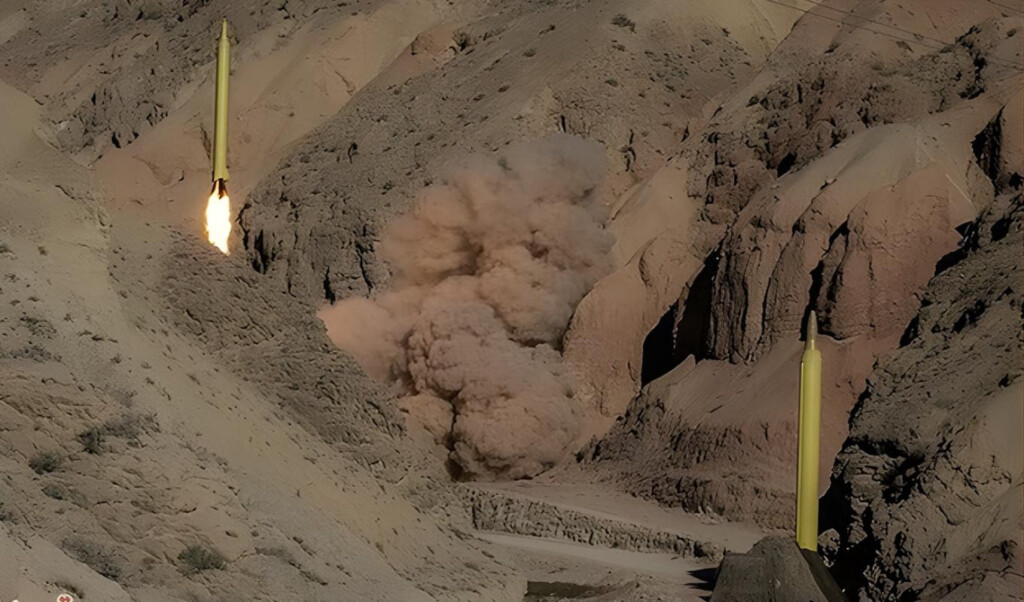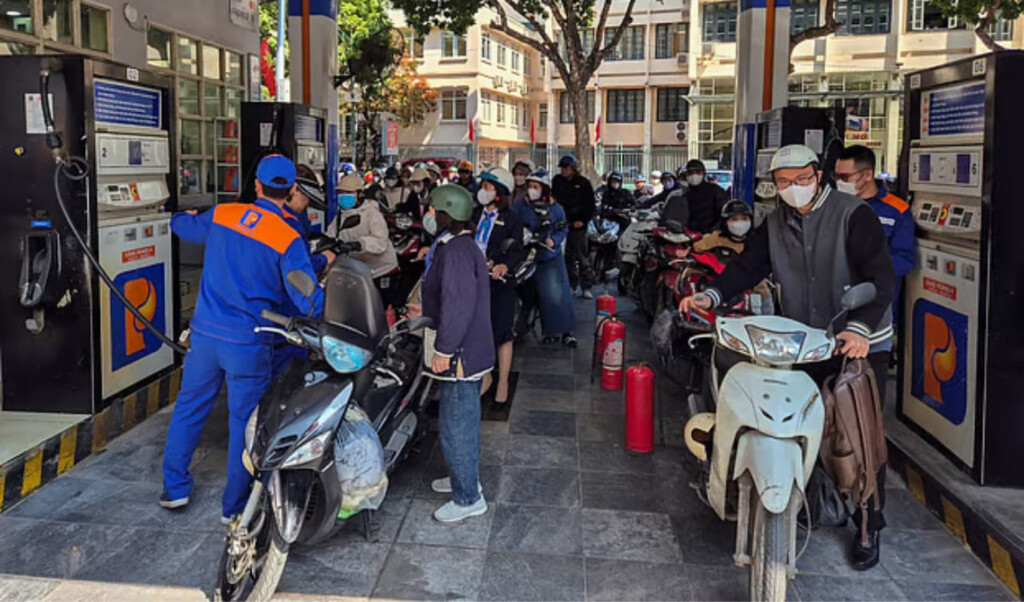
The ongoing conflict involving , , and has effectively paralysed the , a crucial artery for global oil shipments. In the past month, this disruption has pushed fuel prices higher and created supply bottlenecks.
Rising oil prices ripple across economies. Transport costs increase, driving up the price of everyday goods. Manufacturing expenses rise, agricultural operations such as irrigation and mechanised work become more costly, and food prices follow suit. For import-dependent nations, currency pressures intensify, budget deficits may widen, and lower- and middle-income households bear the brunt, as daily living costs surge rapidly.
Fearing a prolonged supply shock, governments worldwide are implementing measures to cushion consumers and economies.
Country-Specific Responses
United Kingdom
Most electricity in the UK is generated from natural gas and renewable sources, yet rising global oil prices have pushed domestic petrol prices to an 18-month high. The government has pledged to intervene if retailers exploit the crisis, while a £53 million package supports low-income households using heating oil.
China
As the world’s largest oil importer, China has long prepared for supply risks. Stockpiling during periods of low prices has built reserves of roughly 900 million barrels—equivalent to nearly three months of imports. Authorities have temporarily suspended petroleum product exports to stabilise domestic prices.
India
India’s Ministry of Petroleum announced on 26 March that crude oil supplies for the next 60 days are secured. With about half of the country’s oil imports and significant volumes of LNG and petroleum gas passing through the Strait of Hormuz, authorities reassure citizens that panic buying is unnecessary.
Ireland
The government has reduced fuel taxes, providing €235 million in relief. Duties on environmentally friendly diesel have also been cut, and support for low-income households using heating oil has been extended by four weeks.
Australia
To promote public transport over private cars, Victoria offers free travel across trains, trams, and buses for April, while Tasmania has waived bus and ferry fares until the end of June. Petrol prices have surged to AUD 2.38 per litre, up from AUD 2.09 pre-conflict.
Other Nations
Countries including , , , , , , , , and have introduced measures ranging from rationing fuel, adjusting working hours, limiting vehicle use by license plate numbers, to encouraging energy-saving practices.
Selected National Measures
| Country | Key Measures | Financial/Practical Relief |
|---|---|---|
| United Kingdom | Support low-income heating oil users, monitor petrol prices | £53 million package |
| China | Build strategic reserves, halt petroleum exports | ~900 million barrels in reserves |
| India | Ensure 60-day crude supply, prevent panic buying | – |
| Ireland | Reduce fuel taxes, extend heating oil support | €235 million package |
| Australia | Free public transport, encourage carpooling | Free travel in Victoria & Tasmania |
| Philippines | Subsidise transport, reduce ferry services, 4-day workweek | 1 million barrels strategic reserve |
| Sri Lanka | Ration fuel, declare public holidays | Weekly fuel limits |
| Thailand | Limit air conditioning, promote energy-saving practices | – |
| Ethiopia | Prioritise fuel for essential services, restrict private use | – |
| Myanmar | Odd-even license plate driving restrictions | Digital monitoring of fuel sales |
| Vietnam | Encourage staying home, carpooling, remove VAT and environmental tax | – |
| Slovenia | Fuel rationing, daily purchase limits | 50–200 litres per vehicle/business |
| South Sudan | Electricity rationing, prioritise key sectors | – |
The crisis demonstrates the global vulnerability of oil-dependent economies and the diverse strategies nations employ to shield consumers while maintaining essential services. With ongoing conflict, monitoring supply chains and government interventions remains critical for economic stability.