The government has issued a stern warning to Liquefied Petroleum Gas (LPG) traders and distributors, threatening firm legal measures if they proceed with their announced two-day nationwide strike.
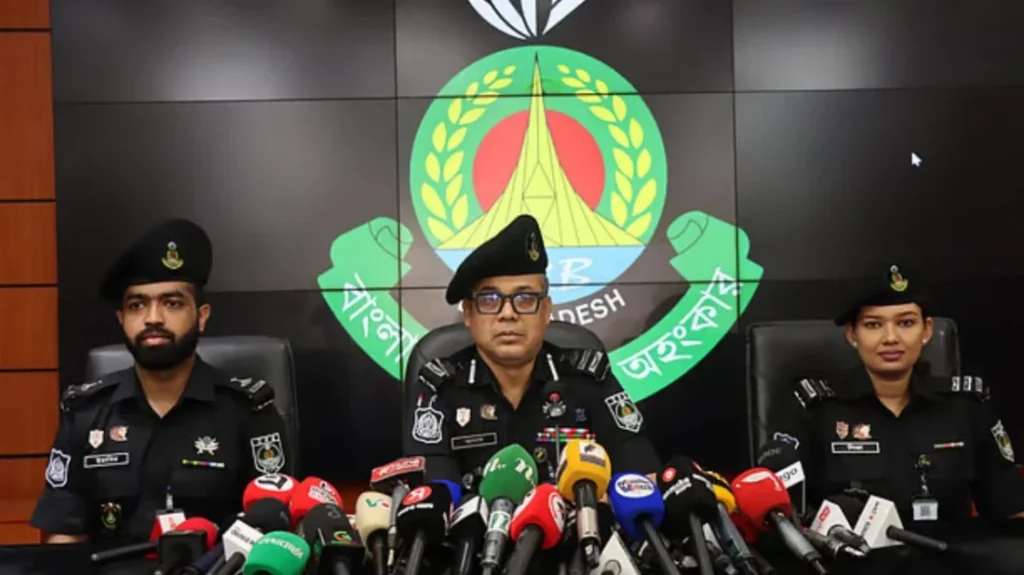
The clear ultimatum was delivered during a joint press conference held on Wednesday morning at the Ministry of Power, Energy and Mineral Resources conference room in the Secretariat, following a high-level meeting with LPG operators. Power, Energy and Mineral Resources Minister Iqbal Hasan Mahmud Tuku and Commerce Minister Khondokar Abdul Muktadir jointly briefed reporters, outlining the administration’s stance on maintaining the supply chain of essential household fuels.
Addressing journalists, the Commerce Minister emphasized that the government intends to deliver an unequivocal message following the strike threat. He stated that the state will firmly suppress any attempts to manipulate essential commodities or act against the public interest. While reassuring traders that operational disputes could be resolved through constructive dialogue, he made it clear that the government would not tolerate any attempt to hold the nation hostage.
Echoing these concerns, the Energy Minister urged business leaders to immediately call off the two-day strike, reiterating the government’s commitment to keeping LPG prices at a tolerable level for general consumers. He warned that using strikes to artificially inflate prices or force regulatory concessions would not be tolerated. Clarifying the financial dynamics of the sector, the Minister noted that the government does not provide state subsidies for LPG, unlike neighbouring India, where the sector benefits from substantial government subsidies.
The government’s warning comes in response to an announcement made on 12 October by LPG distributors, who declared a nationwide shutdown of all LPG retail shops on 15 and 16 October. Speaking at a press conference at the National Press Club, Selim Khan, President of the distributors’ association, issued the strike call to push for a seven-point list of demands. He threatened to extend the two-day disruption into an indefinite strike if their conditions were not met. Key demands put forward by the traders include increasing distributor commission margins and immediately halting administrative fines and alleged harassment by executive magistrates and the Directorate of National Consumer Rights Protection.
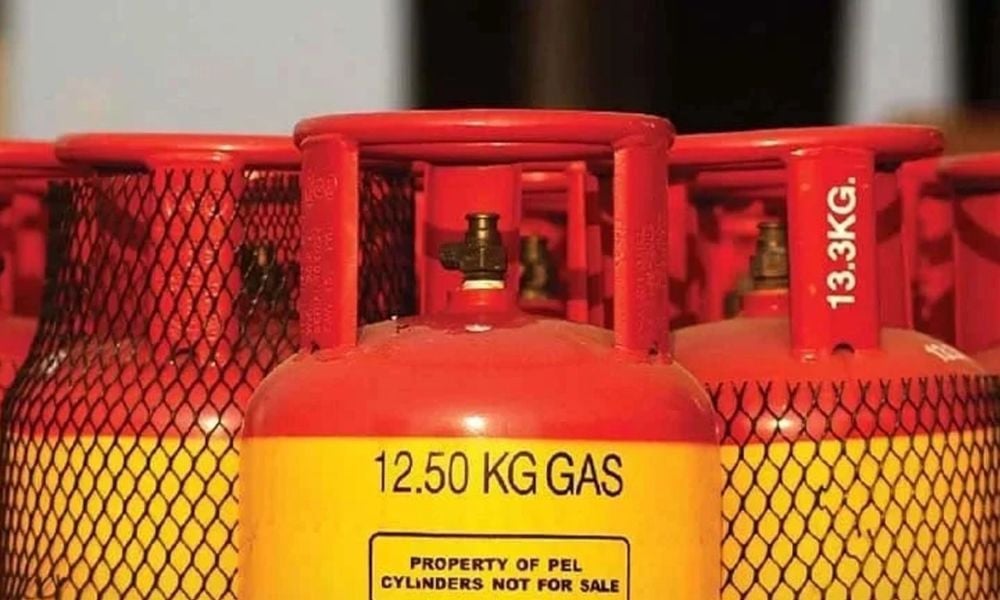
Tensions within the market have been rising since 4 October, when the Bangladesh Energy Regulatory Commission (BERC) raised the official price of a standard 12-kilogram LPG cylinder by 252 taka, setting it at 1,837 taka. Despite this official price adjustment, consumers across the country report that cylinders are unavailable at the government-stipulated rate, with retail vendors charging an arbitrary markup of 400 to 500 taka above the fixed tariff. For their part, primary LPG operators and importers maintain that they are selling gas to distributors strictly at government-determined wholesale rates without levying any extra charges.
This ongoing confrontation follows weeks of heightened government monitoring aimed at curbing market instability. During an exchange meeting organized by the Energy Ministry on 28 September, LPG operators assured ministers that there was no physical shortage of LPG stock within the country. Subsequently, on 30 September, the Energy Minister instructed Deputy Commissioners across all districts to investigate reports of artificial supply crunches and price gouging. A follow-up meeting with major importers was conducted on 3 October in the presence of the Commerce Minister to streamline supply channels.
This is not the first time the sector has faced such friction. Earlier this year, on 8 January, LPG traders abruptly halted supply and distribution across Bangladesh in protest against administrative enforcement drives and regulatory fines. That previous standoff ended later the same evening after the association held emergency talks with BERC officials and received assurances that their operational grievances would be addressed.