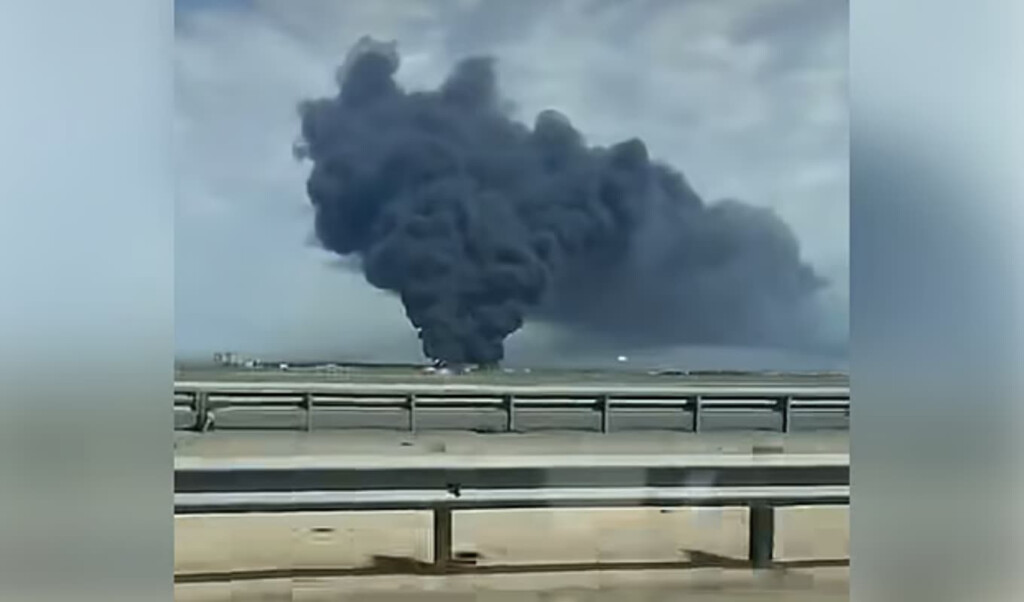
A protracted blaze continues to engulf a fuel storage facility at Kuwait International Airport more than 24 hours after it was struck by Iranian-launched drones, highlighting the vulnerability of critical infrastructure even to relatively small unmanned aerial vehicles (UAVs). Kuwaiti authorities were still battling the fire late on Thursday evening, signalling the severe impact such attacks can have on vital transport and energy hubs.
Analysts warn that even a limited number of drones bypassing air-defence networks can inflict disproportionate damage, particularly in the Gulf’s densely packed energy and aviation sectors. The latest strike is part of a broader pattern of Iranian aggression across the region, reflecting Tehran’s ongoing campaign against Gulf Cooperation Council (GCC) states amid the escalating 2026 regional conflict, which also involves the United States and Israel.
Attacks Across the Gulf
Over the past week, multiple Gulf states have reported Iranian military actions targeting civilian and strategic sites:
- Bahrain: Civil defence teams in Muharraq extinguished a fire at an industrial facility following an attack. No casualties were reported.
- United Arab Emirates: Sirens and air-raid warnings were triggered as Iranian drones and missiles targeted UAE territory. Officials confirmed interceptions, though debris caused limited damage in urban areas.
- Saudi Arabia: Riyadh’s armed forces announced the interception of more than ten drones over the Eastern Province, home to the kingdom’s vital oil and gas infrastructure, preventing significant damage.
These incidents reflect a surge in Tehran’s use of UAVs and missiles against GCC nations, striking airports, refineries, military bases, and residential districts. While air-defence systems in Kuwait, Saudi Arabia, and the UAE have successfully neutralised many threats, the sheer volume of attempted incursions underscores the severity and persistence of the conflict.
Summary of Recent Incidents
| Target Country | Recent Strikes / Interceptions | Reported Damage | Casualties |
|---|---|---|---|
| Kuwait | Drones hit airport fuel tank; multiple interceptions | Ongoing fire at airport site | No reported civilian deaths in latest strike; prior attacks caused injuries and infrastructure damage |
| Bahrain | Industrial site fire extinguished | Site damage | No casualties reported |
| UAE | Multiple drones and missiles intercepted | Debris-related infrastructure damage | Civilian injuries reported in earlier waves |
| Saudi Arabia | More than 10 drones intercepted | No major hits on oil facilities | No confirmed casualties in recent update |
Regional and International Repercussions
Gulf leaders have condemned the attacks and are exploring defensive measures, with some states weighing coordinated military responses to counter Iran’s escalation. The strikes have tested regional air-defence systems and heightened concerns over the security of aviation, energy, and military installations across the Arabian Peninsula.
International efforts at mediation have thus far failed to break the cycle of retaliation, leaving Gulf capitals on high alert as the conflict enters a perilous new phase. Analysts warn that unless diplomatic solutions are urgently pursued, the region risks further escalation, with potential consequences for global energy markets and civilian safety.