In a significant development highlighting the ongoing tensions surrounding women’s rights reforms in Bangladesh, six women have issued a legal notice to the Islamist group Hefazat-e-Islam Bangladesh. The notice pertains to a public incident where a Hefazat leader allegedly used derogatory language towards a woman during a protest against proposed legal reforms aimed at ensuring equal rights for women.
Background of the Incident
On May 2, 2025, Hefazat-e-Islam organized a mass rally near the north gate of the Baitul Mukarram National Mosque in Dhaka. The protest was against the government’s proposed Women’s Reform Commission, which aims to address gender inequalities, including those related to property rights. During the rally, a Hefazat leader reportedly referred to a woman involved in the commission as a “prostitute,” sparking widespread condemnation.
Legal Notice Issued
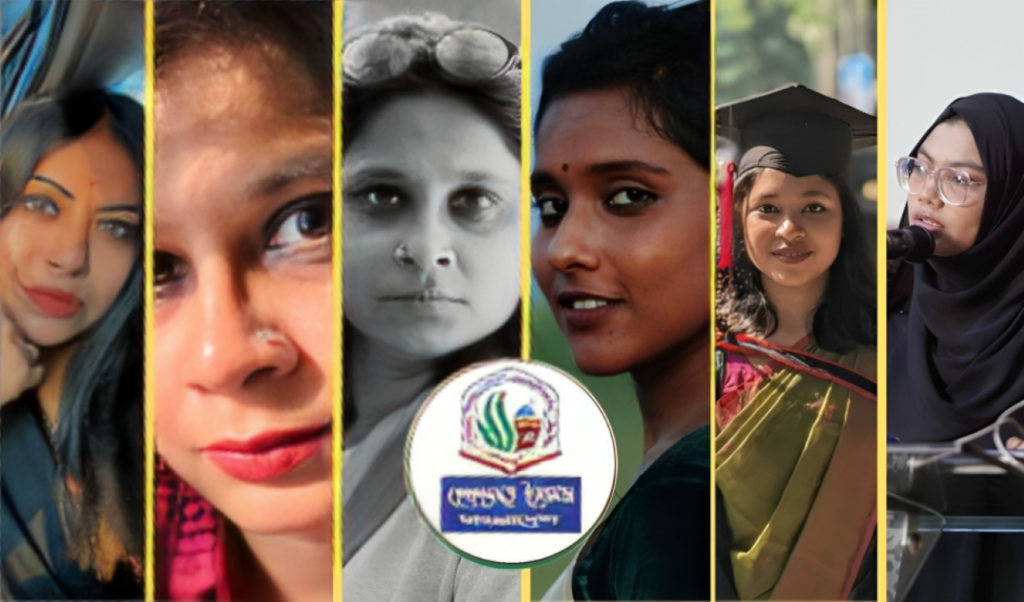
In response to the incident, six women—three leaders from the National Citizens’ Party (NCP) and three from the literary and cultural sectors—have sent a legal notice to Hefazat-e-Islam. The notice was dispatched on May 5, 2025, through Advocate Palash and is expected to reach the group by May 6.
The signatories of the notice include:
- Syeda Nilima Dola (NCP leader)
- Dhyuti Aranya Chowdhury (NCP leader)
- Neela Afroze (NCP leader)
- Umme Rayhana (literary figure)
- Umme Farhana (cultural activist)
- Camelia Sharmin Chura (cultural activist)
The notice condemns the use of derogatory language against women in public forums and demands accountability from Hefazat-e-Islam. It emphasizes that such behavior undermines women’s dignity and contravenes constitutional rights.
Statements from the Signatories
Syeda Nilima Dola stated, “Publicly calling a woman a ‘prostitute’ is an affront to all women and violates our constitutional rights. Constructive criticism is acceptable, but it must be expressed in respectful language.”
She further added, “This state belongs to everyone. While there may be differing opinions on the government’s Women’s Reform Commission, it does not justify public humiliation of women. Such misogynistic remarks are contrary to the ideals of a progressive Bangladesh.”
Context of the Protests
The incident occurred amidst heightened tensions over the government’s proposed legal reforms to enhance women’s rights. On May 3, 2025, thousands of Hefazat-e-Islam supporters rallied in Dhaka, opposing the reforms, particularly those related to property rights. The group argues that these changes contradict Sharia law and threaten traditional inheritance laws. They have threatened further nationwide protests if their demands are not met, including the dissolution of the reform commission and punitive actions against its members.
Implications and Public Reaction
The legal notice against Hefazat-e-Islam signifies a growing resistance against misogynistic rhetoric and a demand for accountability from influential groups. It underscores the broader societal debate on balancing religious traditions with progressive reforms aimed at ensuring gender equality.
The government’s stance on the issue remains to be seen, but the incident has sparked widespread discussions on women’s rights, freedom of expression, and the role of religious groups in shaping public discourse.