India’s music industry has experienced remarkable financial growth over the past two years, with its economic value increasing by 45 per cent to reach Rs 174.01 billion in 2025. The expansion has been fuelled by digital streaming, the rising popularity of independent music, increased consumption and a growing calendar of live performances. Yet behind the impressive figures lies a less encouraging reality: many songwriters and music creators are struggling to earn a sustainable living from their work.
The proportion of creators earning a full-time income from music has declined from 60 per cent in 2023 to 55 per cent in 2025. The findings were highlighted in a joint report published by professional services firm Ernst & Young (EY) and the Indian Performing Right Society (IPRS), which examined the economic development of the country’s music sector and the challenges facing those who create its content.
According to the report, India’s music industry was valued at Rs 120.47 billion in 2023. By 2025, that figure had climbed to Rs 174.01 billion, representing an increase of Rs 53.54 billion in just two years.
Digital platforms have emerged as the industry’s largest revenue contributor, accounting for 52 per cent of total earnings. The sound recording and music publishing segment generated Rs 54.33 billion. Revenue from publishing and performance-related activities also increased considerably, rising from Rs 6.28 billion in 2023 to Rs 11.25 billion in 2025.
The figures reflect the growing influence of digital distribution on India’s music economy. Streaming platforms have made music more accessible, allowing established performers and emerging artists to reach listeners across geographical boundaries. They have also created opportunities for independent musicians to release their work without depending entirely on traditional record labels or film productions.
Rising music consumption, but creators struggle to earn
The growth of the industry has been accompanied by a significant increase in music consumption. The report estimates that songs were streamed approximately six trillion times annually in India. Between 22,000 and 27,000 original songs were released during the period under review.
However, the financial benefits of this expansion have not been distributed evenly.
A survey involving more than 1,000 songwriters and music creators found that only 55 per cent currently earn a full-time living from music. This is despite 85 per cent of respondents expressing a desire to establish music as their principal source of income.
Concerns about remuneration have also intensified. Only 59 per cent of respondents believe they receive adequate payment for their work, compared with 64 per cent in 2023.
The changing pattern of income offers another indication of the difficulties facing creators. Live performances now rank among the three most important sources of earnings for 61 per cent of respondents, compared with 47 per cent two years earlier. Meanwhile, publishing royalties have fallen to fourth place among their principal income sources.
This suggests that many musicians are becoming increasingly dependent on concerts and live appearances to maintain their livelihoods. Although the expansion of live entertainment has opened new opportunities, such earnings can fluctuate depending on bookings, audience demand and the availability of performances.
Copyright enforcement and royalty collection remain weak
Copyright protection and royalty distribution continue to pose major challenges for India’s music industry.
The report places overall compliance with music licensing requirements at just 4.1 per cent. The situation is particularly concerning in restaurants, hotels and retail establishments, where compliance remains below one per cent.
Commercial establishments frequently use music to enhance customer experiences, support promotional activities or create an atmosphere for visitors. Such use can involve copyright obligations and licensing requirements. However, poor compliance makes it difficult for songwriters, composers and other rights holders to receive the payments they are entitled to.
Identifying the rightful owners of musical works presents another obstacle. According to the report, inadequate documentation and missing information prevent the identification of the actual songwriters or copyright holders of between 10 and 12 per cent of songs.
Without accurate ownership records, royalty collection and distribution become increasingly complicated. Even when music generates revenue through streaming, broadcasting or commercial use, payments may not reach the individuals responsible for creating it.
Survey participants have called for a minimum remuneration framework and clearer guidelines governing payments and music rights. They believe that transparent regulations and more effective licensing arrangements are necessary to ensure that the industry’s financial growth benefits creators as well as commercial stakeholders.
Independent music strengthens its position beyond films
One of the most notable developments in India’s music market is the growing popularity of independent music outside the film industry.
For decades, Bollywood and regional film soundtracks played a central role in shaping the country’s popular music landscape. Many singers, composers and lyricists relied heavily on film productions for recognition, professional opportunities and commercial success.
That relationship is gradually changing.
Independent and non-film music now accounts for 43 per cent of total music consumption on digital platforms, up from 35 per cent in 2023. The increase highlights the growing willingness of Indian listeners to explore music beyond conventional film releases.
Digital streaming has helped independent musicians connect directly with audiences, while online distribution has reduced some of the traditional barriers to releasing original material. Artists working in different languages and musical styles can now build their listener base without necessarily securing opportunities in cinema.
The trend is also creating greater diversity within the market, providing space for emerging performers, experimental sounds and regional musical traditions.
New releases and international recognition
India’s music scene has witnessed several notable releases and chart developments in recent weeks.
On Spotify India’s weekly chart, ‘Alfaaz’ retained the top position for the fourth consecutive week. Rito Riba’s ‘Dilruba Dilnasheen’ continued its upward momentum, climbing from 13th place to second position in its third week on the chart. Anuv Jain’s ‘Arz Kiya Hai’ occupied fifth place.
‘Dilruba Dilnasheen’ has also secured a position on international charts, reflecting its growing appeal beyond the domestic market.
One of the most significant developments was the Grammy nomination received by ‘Varuvai’. Composed by Devan Ekambaram and sung by Susa, the track is based on a poem by Subramania Bharati.
The song has received a nomination in the Best Global Music Performance category at the 69th Grammy Awards. The report describes it as the first Tamil song to receive a Grammy nomination.
Its achievement is particularly noteworthy because the track was released without promotional backing from a major record label. The recognition has drawn attention to the potential of independent music to reach international audiences without the extensive resources traditionally associated with established recording companies.
Several other independent projects have also attracted attention. Krishna and Sidhe Maut have released a five-track EP titled ‘Don’t Try This at Home’. Samyak Singh’s ‘Nai Dilli’ and Ananya Jaffar’s debut album ‘Solomon 1’ have also generated interest among listeners and music critics.
Shillong Chamber Choir marked its 25th anniversary with the release of ‘Uncle Neil – Our Song, Our Story’, celebrating the group’s long-standing contribution to India’s musical landscape.
Major concerts bring international acts to India
The growth of India’s music economy is also reflected in the increasing scale of concerts and music festivals across the country.
On 17 November, American rock band Guns N’ Roses performed at Khanapara Veterinary Ground in Guwahati, Assam. According to the organisers, more than 30,000 people attended the concert.
Indian rock band Parikrama performed before the international act, giving local musicians an opportunity to share the stage at a major event.
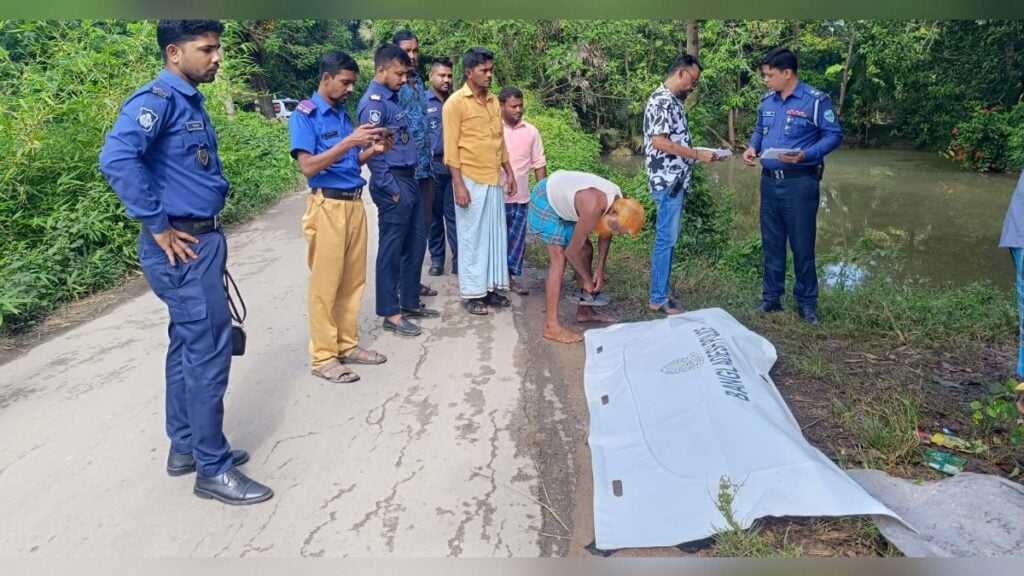
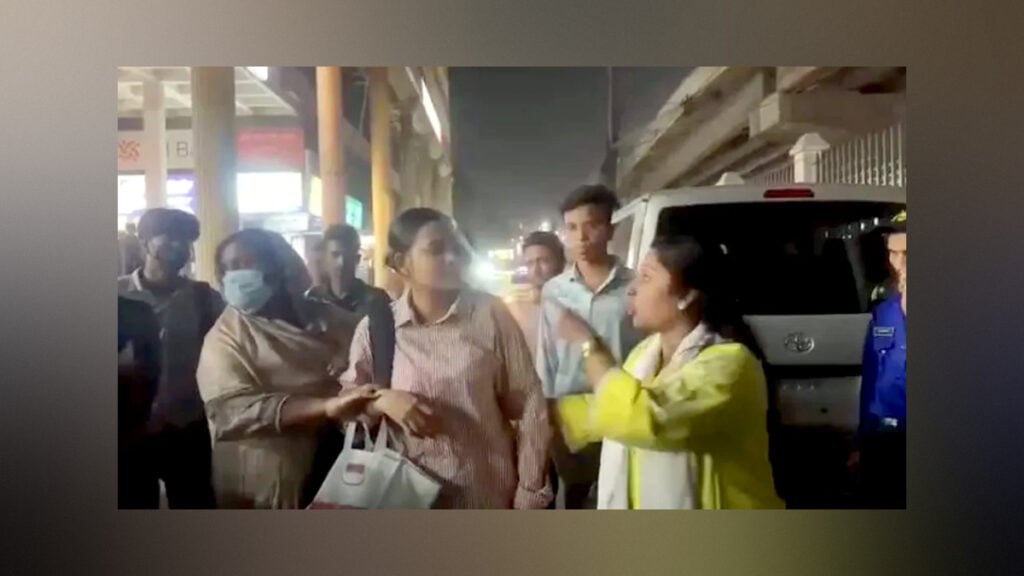
However, the concert was followed by an incident involving a traffic police officer. Three people were arrested over allegations that they assaulted an officer who had been deployed to manage traffic after the event.
Shillong’s Cherry Blossom Festival also attracted considerable attention this year. The line-up included international performers such as Nelly, Khalid, Swae Lee and Galantis.
The festival took place on 20 and 21 November, although rainfall disrupted some of the activities on the final day.
Several major musical events are scheduled for December. On 5 December, Red Bull Symphonic is expected to make its debut in India with a special performance featuring singer Sunidhi Chauhan alongside the Budapest Scoring Orchestra.
The production will bring popular music together with orchestral arrangements, reflecting the growing diversity of live entertainment in the country. Such events also demonstrate how organisers are experimenting with different musical formats to attract wider audiences.
New business models reshape digital music
India’s music industry is also exploring alternative ways of generating revenue from digital distribution.
Michael Nash, Universal Music’s head of digital, has discussed the possibility of introducing paid listening arrangements during the first 72 hours after a new song is released.
Under the proposed model, listeners could be required to pay to access selected new releases during an initial period. Nash suggested that if such an experiment proved successful in India, it could potentially be introduced in other markets.
The proposal reflects the continuing search for ways to monetise digital music while responding to changing consumer habits. However, its commercial success would depend on whether listeners are willing to pay separately for early access to new releases.
Copyright disputes and questions over artistic freedom
Legal disputes surrounding music licensing and copyright have continued to draw attention.
The Madras High Court has directed Novex not to interfere with a wedding celebration at a hotel in Chennai by attempting to stop musical performances.
The couple concerned had obtained a no-objection certificate from the Indian Performing Right Society (IPRS). They also brought to the court’s attention a special exemption under copyright law relating to music played at wedding functions.
However, the matter has not yet reached a final determination.
Questions surrounding artistic freedom have also generated controversy in different parts of India.
In Indore, Madhya Pradesh, objections were raised over the performance of certain songs during a concert by Diljit Dosanjh. The singer nevertheless performed the songs on stage. Similar controversy subsequently emerged in Gujarat.
In Bihar, cases have been filed against 45 individuals associated with Bhojpuri singers and production companies over allegations of promoting violence and caste dominance through music.
These incidents have renewed discussions about the relationship between artistic expression, copyright enforcement and social responsibility. They also highlight the complicated environment in which musicians and event organisers operate, particularly when performances become the subject of legal or public controversy.
Growth must translate into fair rewards for creators
India’s music industry is entering a period of substantial transformation. Digital streaming, independent releases, international recognition and large-scale concerts are creating new commercial opportunities and expanding the reach of Indian music.
The financial figures are impressive, but they also reveal a significant imbalance. While the industry’s economic value has increased by 45 per cent in two years, the proportion of creators earning a full-time living from music has declined. Inadequate remuneration, weak copyright enforcement and difficulties in royalty distribution remain unresolved.
The growing popularity of independent music offers considerable opportunities for emerging artists. Yet sustainable development will require more than increased streaming figures, chart success and larger concert audiences.
Songwriters, composers, performers and other rights holders need transparent payment systems, reliable ownership records and effective copyright protection. Without these safeguards, a substantial share of the industry’s financial success may continue to bypass the people responsible for creating its music.
The central challenge for India’s music industry is therefore not simply to expand its market, but to ensure that the creators behind its success receive a fair share of the rewards.