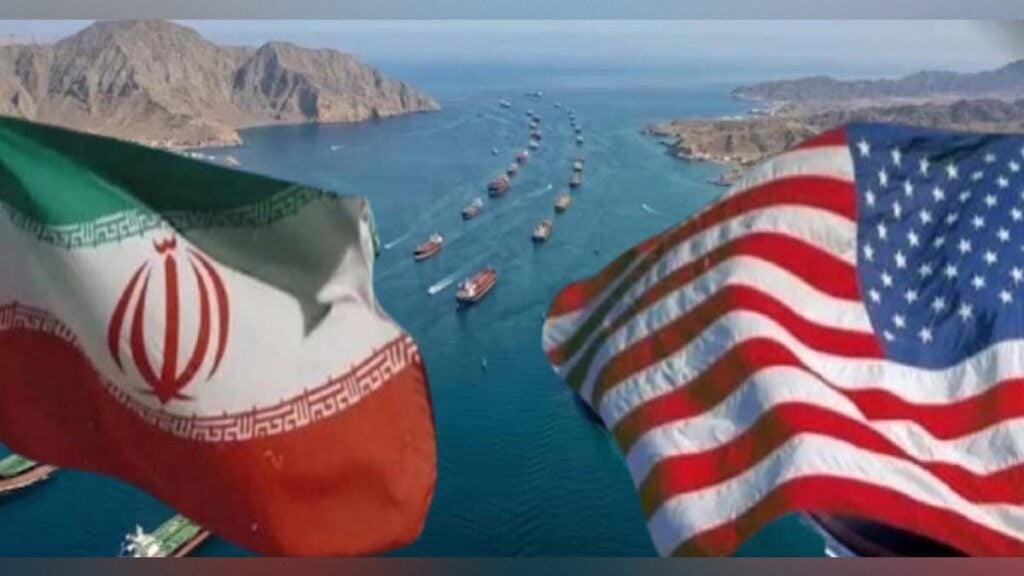
However, Iran has made it clear that the Strait of Hormuz will remain closed until its demands are met. It has also ruled out negotiations with the United States before those conditions are fulfilled, signalling that any diplomatic breakthrough could prove difficult.
According to Indian news outlet NDTV and Reuters, Iran submitted the proposal to the United States through Qatar on Thursday (5 November). A senior Iranian official told Reuters that Washington was currently reviewing the document but declined to disclose its contents or provide details of the proposed arrangements.
Iran’s senior security official Mohsen Rezaei had previously said that Tehran had presented seven conditions to Washington as prerequisites for beginning diplomatic negotiations. He indicated that Iran would neither reopen the Strait of Hormuz nor enter discussions with the United States until its demands were addressed.
What are Iran’s seven conditions?
Iran has not officially published the complete list of its seven demands. However, statements from Iranian officials and reports by international media have provided an indication of what Tehran is seeking.
The conditions reportedly include:
1. An end to fighting across the Middle East: Iran wants all ongoing conflicts and military confrontations across the region to come to an end, rather than limiting any ceasefire arrangement to direct hostilities between Tehran and Washington.
2. Removal of the naval blockade: The United States must lift its naval blockade on Iranian ports, which Tehran considers a major obstacle to its maritime trade and economic activities.
3. Withdrawal of economic sanctions: Iran is demanding the removal of US economic sanctions, which have long restricted its access to international markets, banking services, foreign transactions and energy exports.
4. Return of frozen Iranian assets: Tehran wants its money and other assets held or frozen abroad to be returned, arguing that these resources are important to the country’s economy.
5. Reduction of US military presence: Iran is calling for a reduction in American military deployments across the Middle East, maintaining that a smaller US military footprint would help ease regional tensions.
6. Compensation for war damage: Iran wants compensation for the destruction and losses caused by military strikes carried out by the United States and Israel.
7. Guarantees against future attacks: Washington must provide assurances that Iranian territory will not be subjected to further military attacks.
Although these demands have been widely reported, not all seven have been independently verified in full. Reuters has confirmed the issues of sanctions relief, the return of frozen Iranian assets and compensation for war-related damage. Details of the remaining conditions have not been formally established.
Strait of Hormuz remains a major point of contention
Iran’s position on the Strait of Hormuz has added another layer of uncertainty to the diplomatic situation. The strategic waterway connects the Persian Gulf with the Gulf of Oman and serves as one of the world’s most important routes for international energy shipments.
A substantial share of global seaborne oil trade passes through the strait, alongside shipments of liquefied natural gas from major energy-producing countries in the Gulf region. Any prolonged disruption to shipping through this narrow passage could have consequences well beyond the Middle East.
Restrictions on maritime traffic could disrupt energy supplies, increase transportation costs and put upward pressure on international oil prices. Countries heavily dependent on imported energy would be particularly exposed to such developments.
Iran’s insistence on keeping the waterway closed until its demands are addressed therefore gives the dispute significant international economic implications. The issue is not simply about access to a strategic shipping route; it is also connected to regional security, energy markets and the balance of power in the Gulf.
Washington maintains pressure over nuclear programme
Meanwhile, US President Donald Trump has not ruled out the possibility of launching further military operations against Iran. His position has left open the prospect of renewed confrontation even as diplomatic efforts continue.
Washington has also maintained that Iran’s nuclear programme must be included in any preliminary negotiations. The United States considers the nuclear issue a central part of its dealings with Tehran, while Iran is seeking broader political, military and economic concessions before entering talks.
This difference in priorities presents a significant obstacle to reaching an agreement. Tehran wants sanctions lifted, frozen assets returned, compensation provided and guarantees against future attacks. Washington, on the other hand, wants the nuclear programme to remain central to any diplomatic process.
The two sides therefore appear to be approaching negotiations from markedly different positions. For Iran, economic relief and security assurances are essential prerequisites. For the United States, addressing concerns over Iran’s nuclear activities remains a key requirement.
Diplomatic prospects remain uncertain
Qatar’s involvement offers a possible channel for communication at a time when direct engagement between Washington and Tehran remains difficult. The delivery of Iran’s latest proposal suggests that diplomatic efforts have not entirely broken down, despite the continuing tensions.
However, sending a proposal does not necessarily mean that an agreement is close. Much will depend on how the Trump administration responds to Tehran’s demands and whether both sides are prepared to reconsider their positions.
The reopening of the Strait of Hormuz, the removal of economic sanctions and the future of Iran’s nuclear programme are likely to remain central issues in any potential settlement.
For now, Washington is reviewing the proposal, while Tehran continues to insist that its conditions must be met before negotiations can begin. Whether Qatar can help bridge the gap between the two sides remains uncertain.
The outcome could have far-reaching consequences for Middle Eastern security, international energy supplies and the wider global economy.