The position was outlined by Iranian Foreign Ministry spokesman Esmail Baghaei at his weekly press conference on Monday. He said Tehran would not accept the blockade and would deploy all available means to confront what it considers American aggression.
“We will not tolerate this blockade in any way and will use all means at our disposal to counter this American aggression,” Baghaei said.
He added that Iran regarded the naval blockade as a form of military aggression and had the right to use any available means to defend itself.
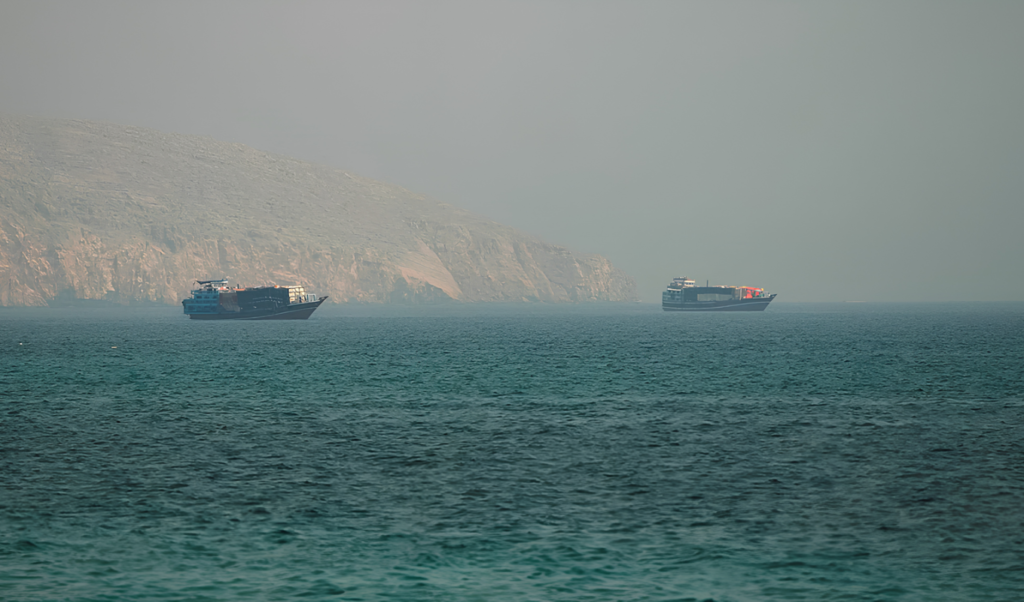
The confrontation began on 28 February this year, when the United States and Israel launched attacks on Iran without prior warning, triggering a war. Iran subsequently brought shipping through the Strait of Hormuz, one of the world’s most strategically important maritime routes, to an effective halt.
Before the conflict, roughly one-fifth of global oil and gas exports passed through the strait. Disruption to shipping in the narrow waterway sent energy prices higher and raised concerns over the wider impact on international trade, supply chains and economic stability.
In response, the United States imposed a naval blockade on Iranian ports on 13 April, disrupting the country’s oil exports. The restrictions were lifted in June following the development of a draft understanding between Washington and Tehran. However, after the proposed agreement fell apart, the US Navy reinstated the blockade on 14 July.
The restrictions have since severely affected Iran’s crude oil exports, with visible shipments falling to near zero over recent months.
Last week, TankerTrackers.com reported that Iranian crude was being loaded onto a tanker through a ship-to-ship transfer in the Gulf region. The shipment was potentially the first successful export of Iranian crude since the US blockade was reinstated in July. Baghaei, however, dismissed reports of Iranian oil being loaded onto vessels as speculation.
Tehran maintains that it controls maritime traffic through the strategically vital Strait of Hormuz and says the waterway will only be reopened once Washington meets its conditions, including ending hostilities, lifting the naval blockade and removing sanctions.
Addressing the possibility of reopening the strait, Baghaei said Iran would be able to fulfil its commitments as quickly as possible if the other side met the relevant conditions.
The dispute over the blockade and the Strait of Hormuz remains a major point of tension between the two countries, with potential consequences for global energy supplies and maritime trade.