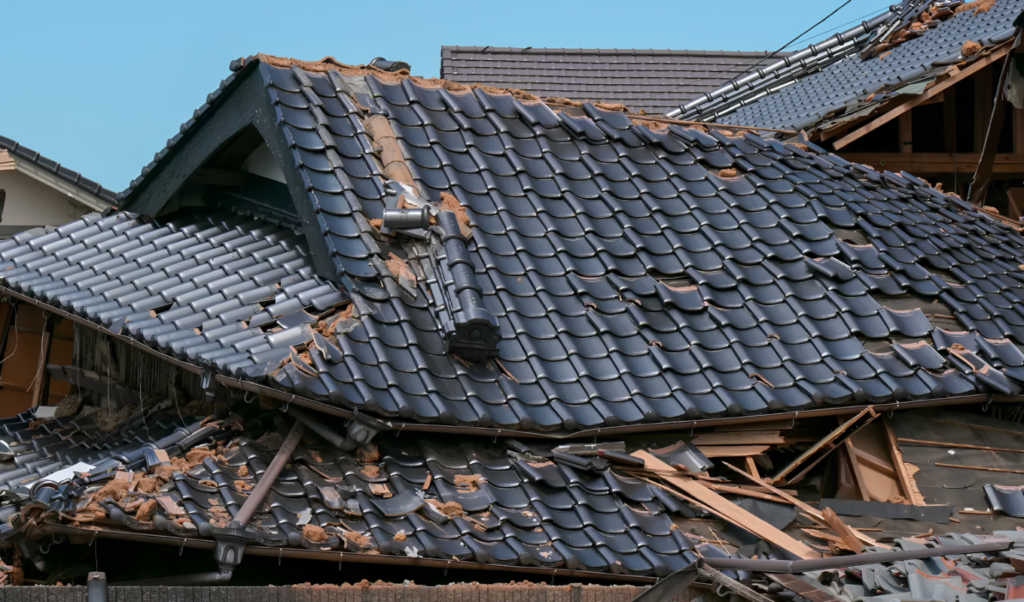
Japanese non-life insurance providers have disbursed US$800 million in compensation as total claims stemming from the Kumamoto earthquake surpassed 156,000. Figures compiled up to 30 October confirm that the overwhelming share of financial relief flowed directly into Kumamoto prefecture, where residential properties and local enterprises absorbed the heaviest impact of the tremors.
Policyholders in Kumamoto alone filed 143,935 claims, accounting for more than 92 per cent of all submissions nationwide. Payouts within the prefecture reached ¥121.88 billion, equivalent to roughly US$770 million, or just over 96 per cent of total disbursements recorded by the end of October. The remaining claims—numbering more than 12,000 and valued at approximately US$30 million—originated from neighbouring prefectures across Kyushu where shockwaves caused secondary structural and property damage.
Positioned on the southern island of Kyushu, Kumamoto serves as both an agricultural heartland and an increasingly vital industrial corridor. The region houses major semiconductor plants, precision manufacturing units, and dense urban neighbourhoods. When seismic activity strikes such a concentrated economic zone, non-life insurers face simultaneous demands covering household structures, personal belongings, commercial inventories, and business interruption policies.
Japan’s non-life insurance sector operates within a specialised framework built to withstand catastrophic natural disasters. Situated along the volatile Pacific Ring of Fire, the country relies on a structured residential earthquake insurance programme that pairs private insurers with state-backed reinsurance. Under this risk-sharing model, private carriers underwrite earthquake policies alongside standard fire cover while the government absorbs extreme tail risks. Such arrangements ensure domestic insurers maintain sufficient liquidity to honour tens of thousands of claims simultaneously without destabilising the wider financial system.
Crossing the 156,000-claim threshold by 30 October reflects both high policy uptake and streamlined loss-assessment procedures. Following major tremors, Japanese non-life providers routinely mobilise nationwide teams of adjusters, simplify documentation rules, and adopt remote damage verification to expedite settlements. Lessons drawn from previous disasters—most notably the destructive April 2016 earthquakes that struck the same region—have reinforced stringent building standards and prompted households to maintain robust catastrophe coverage.
Rapid claim settlement plays a decisive role in stabilising regional economies after severe ground shaking. Timely disbursements enable homeowners to fund urgent structural repairs and replace damaged household goods without exhausting personal savings. For small and medium-sized enterprises across Kumamoto, prompt compensation helps cover equipment restoration and operational downtime, ensuring local businesses can resume normal activity swiftly.