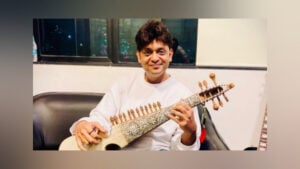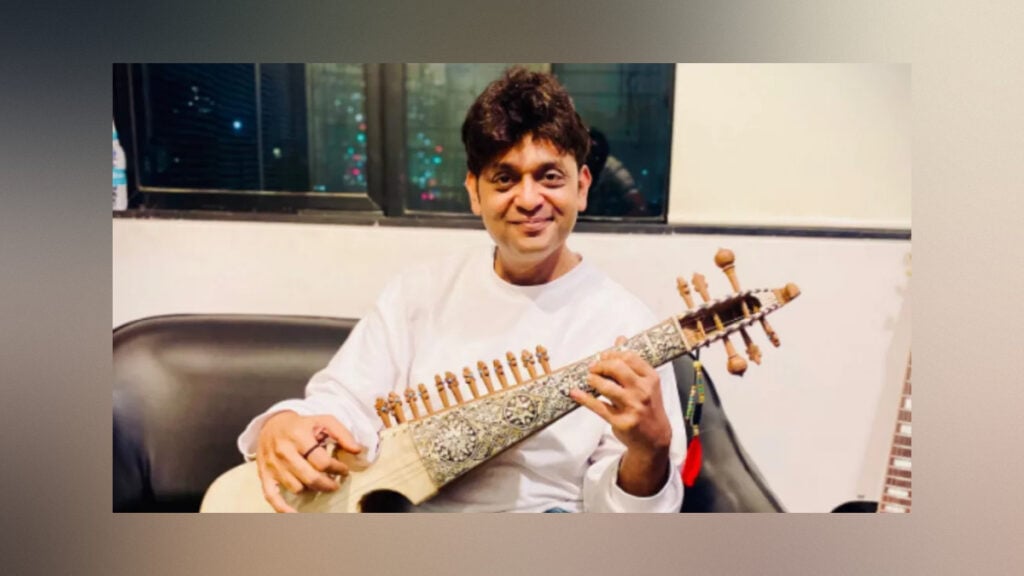
Indian singer Javed Khan has cancelled two scheduled performances at Garba events in Jaipur, Rajasthan, following alleged threats from several right-wing organisations over his participation as a Muslim artist. The events, planned for 17 and 18 October, were called off after organisers reportedly received warnings that the programmes would be disrupted.
The incident has reignited debate over religious identity, artistic freedom and communal harmony, raising concerns about the ability of performers to participate in cultural events without facing intimidation because of their faith.
According to a report published by The Indian Express on 19 October, Khan, who has nearly 700,000 followers on Instagram, withdrew from the performances after the controversy emerged. Organisers alleged that objections to the singer’s religious identity had prompted threats against their events, leaving them concerned about whether the programmes could proceed safely.
Singer Questions Government Response
Khan said he was born and raised in Jaipur and had maintained good relationships with people from different communities across the city. He expressed disappointment that, despite these longstanding connections, he had been forced to cancel his appearances amid the alleged threats.
The singer also said he had returned the advance payments he received to prevent organisers and businesses from suffering further financial losses. His decision came after preparations had already been made for the events, and tickets had reportedly been sold.
Khan questioned how event organisers could be threatened openly and called attention to the Rajasthan government’s responsibility in addressing such situations. His remarks highlighted a wider concern: when threats interfere with cultural programmes, performers may lose professional opportunities while organisers face financial uncertainty and difficult decisions over public safety.
He also alleged that banners and hoardings displayed by right-wing organisations in different parts of Jaipur carried messages seeking to restrict non-Hindus from entering Garba events. Khan warned that such activities could damage the social harmony of a city where people from different religious communities have traditionally lived alongside one another.
Organisers Cite Threats and Financial Losses
Ravi Patel, an organiser associated with Mowgli’s Club, said preparations for Khan’s performances had been completed and tickets had already been sold. According to Patel, the decision to cancel the events followed telephone calls from individuals associated with the Sanatan Suraksha Dal and the Bajrang Dal.
Patel alleged that the calls created serious concerns about the safety of those involved. The organisers ultimately decided that proceeding with the programmes would be too difficult under the circumstances.
He said the cancellations had caused financial losses. However, he maintained that concerns about security left them with little practical choice but to abandon the events.
The financial consequences of such cancellations can extend beyond the performers and organisers. Ticket holders may have to change their plans, while businesses and individuals involved in event preparation can be left dealing with costs already incurred. The report did not specify the amount of financial loss suffered by the organisers.
The incident also illustrates the pressures cultural organisers can face when objections to a performer turn into alleged threats. Even when preparations are complete, uncertainty over security can force organisers to reconsider whether an event can go ahead.
Group Opposes Participation by Non-Hindus
Ravi Gautam, a member of the Sanatan Suraksha Dal, confirmed his opposition to non-Hindus participating in Garba events. He said the organisation had communicated its position to the government and event organisers.
Gautam also stated that members would protest if non-Hindus were allowed to enter the events. His remarks added to the controversy surrounding Khan’s participation and the organisers’ decision to cancel the performances.
The dispute has brought religious identity to the centre of a debate over access to cultural gatherings. While the organisation has expressed objections to non-Hindu participation, the singer and organisers have raised concerns about alleged intimidation, safety and the consequences of cancelling events at short notice.
The available report did not provide a detailed official response from the Rajasthan government or establish whether authorities had initiated an investigation into the alleged threats. It therefore remains unclear what formal action, if any, has been taken in response to the complaints.
Garba’s Religious and Cultural Significance
Garba is a traditional folk dance most closely associated with Gujarat, although it is also popular in Rajasthan and other parts of India. It is performed particularly during Navratri, a Hindu festival dedicated to the worship of the goddess Durga.
Participants typically dance in circles to rhythmic music, often accompanied by devotional songs. Dandiya Raas, another traditional dance associated with the festival, is frequently organised alongside Garba celebrations.
Although Garba has deep religious significance, events in many places have developed into large social and cultural gatherings. Families, friends and people of different ages attend these celebrations, which also create opportunities for musicians, performers, event organisers and local businesses.
The nature of participation can vary depending on the event and its organisers. However, disputes over religious identity can become particularly contentious when they lead to calls for exclusion or allegations of intimidation.
For this reason, the controversy in Jaipur extends beyond the cancellation of two musical performances. It raises questions about the relationship between religious traditions, cultural participation and the ability of artists to work without facing pressure over their personal backgrounds.
Communal Harmony Under Renewed Scrutiny
Khan’s withdrawal has brought wider questions about artistic freedom and religious inclusion into focus. The case also highlights the difficulties faced by event organisers who must balance their programme commitments with concerns about the safety of performers and audiences.
Cultural festivals often provide opportunities for people to gather, celebrate shared traditions and engage with music and dance. When disputes over religious identity disrupt such events, the consequences can extend to community relations and local economic activity.
At the same time, religious festivals carry their own traditions and practices, which organisers may seek to preserve. The challenge is to address disagreements without allowing threats or intimidation to determine whether cultural programmes can proceed.
In Jaipur, the allegations surrounding Khan’s cancelled performances have placed these competing concerns under scrutiny. The authorities’ response, the steps taken to address the reported threats and the prospects for organising future events safely will be important in determining how the dispute develops.
For now, the cancellation remains a reminder of how religious tensions can affect cultural activities, professional opportunities and the relationships between communities in a diverse society.