Saturday, 4th April 2026

Khabor Wala Desk
Published: 21st March 2026, 3:23 AM
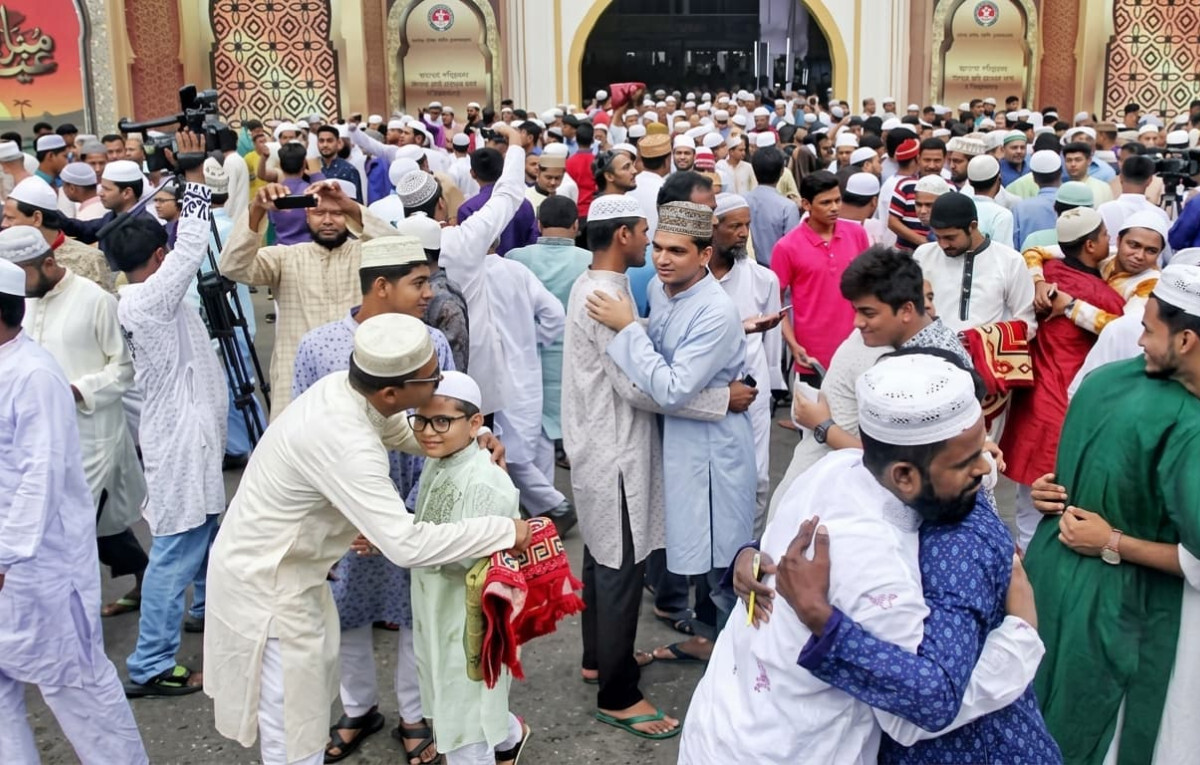
The long-awaited moment has finally arrived. On Friday evening, the sighting of the slender crescent moon in the western sky signalled the end of a month of fasting, ushering in the joyous celebration of Eid al-Fitr across the country on Saturday. Homes resonated with familiar melodies of celebration as families prepared to mark one of the most significant religious festivals for Muslims.
Eid al-Fitr follows a month of dawn-to-dusk fasting, reflection, and spiritual discipline. The occasion represents not only festivity but also gratitude, self-purification, and a renewed commitment to compassion. The values cultivated during the fasting period—restraint, empathy, and generosity—are brought to fruition through acts of charity, most notably the giving of obligatory alms before the Eid prayer to ensure that even the most vulnerable members of society can partake in the celebrations.
In the days leading up to Eid, transport hubs across the country witnessed an extraordinary surge in travellers returning to their hometowns. Bus terminals, railway stations, and river ports were crowded with people eager to reunite with loved ones. Despite long hours of travel, traffic congestion, and seasonal heat, the joy of homecoming overshadowed all discomfort. By Friday night, the wave of returning travellers had largely settled, filling village homes with warmth, laughter, and familial affection.
From the capital to rural communities, the festive atmosphere has been unmistakable. Markets remained bustling late into the night as shoppers purchased traditional items such as perfumes, caps, vermicelli, and sugar. Beauty salons in urban centres reported heavy demand, with many staying open into the early hours to accommodate customers. Meanwhile, intricate henna designs adorned hands, adding to the celebratory spirit.
Special congregational prayers form the centrepiece of the day’s observance. The principal prayer gathering is scheduled for 8:30 a.m. at the National Eid congregation ground, with an alternative arrangement at the main national mosque at 9:00 a.m. should adverse weather conditions arise. Authorities have confirmed capacity arrangements for tens of thousands of worshippers, with designated spaces for women.
In addition, multiple prayer sessions will be held throughout the morning at the national mosque, alongside numerous gatherings in neighbourhood mosques and open fields nationwide.
Following prayers, people traditionally embrace one another, exchange greetings, and visit relatives and neighbours. Many also visit graveyards to pray for deceased loved ones, reflecting the spiritual dimension of the day.
Eid is a celebration of sharing and unity. National leaders have issued messages conveying greetings and expressing hopes for peace, prosperity, and social harmony. Despite rising prices of essential commodities in recent times, the festive spirit remains undiminished.
However, the essence of Eid lies in inclusivity. Extending support to those less fortunate remains central to the occasion. Even small acts of generosity can ensure that the joy of Eid reaches every household.
This day is not merely a celebration but a renewed pledge to build a compassionate and equitable society. As families gather, share meals, and reconnect, the true spirit of Eid—peace, generosity, and unity—resonates across the nation.




Comments