Iran’s Defence Minister and IRGC Commander Believed Killed
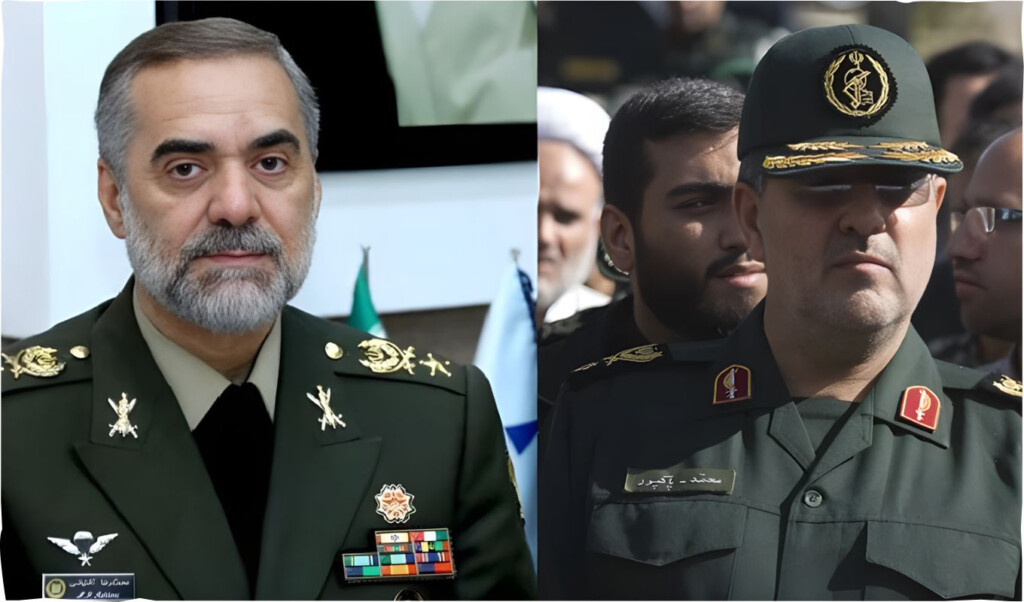
Iran’s defence minister, Amir Nasirzadeh, and General Mohammad Pakpour, commander of the Islamic Revolutionary Guard Corps (IRGC), are believed to have been killed in Israeli strikes on Iran’s territory, according to more than one source familiar with the military operations. These developments form part of a broader joint United States–Israeli aerial and missile campaign against strategic targets in Iran that unfolded on Saturday.
Officials in Israel’s military have indicated that both Nasirzadeh and Pakpour were among the senior figures targeted in the early hours of the coordinated bombardment. However, official confirmation from the Iranian government has not yet been made public.
Iran’s foreign minister, Abbas Araghchi, acknowledged that Iran may have lost “some commanders” but played down the impact, asserting that such losses were “not such a big problem” in the context of the ongoing conflict.
Reported Casualties in Leadership
Below is a summary of the reported key figures affected by the strikes:
| Name | Position | Reported Status |
|---|---|---|
| Amir Nasirzadeh | Iranian Defence Minister | Believed killed in Israeli strikes* |
| General Mohammad Pakpour | IRGC Commander | Believed killed in strikes* |
| Ayatollah Ali Khamenei | Supreme Leader | Conflicting reports on status† |
| Other senior officials | Various military & intelligence posts | Reported killed (unverified)† |
*Based on multiple sources familiar with the operation; no official Iranian confirmation as of yet.
†Some unverified reports suggest further high-ranking casualties, including Iran’s supreme leadership, but these remain disputed and are not officially confirmed.
Escalation of Hostilities
The strikes represent a significant escalation in the long‑standing tensions between Iran and Israel, with the United States playing a direct role in the campaign. Analysts describe the targeting of top military leaders — beyond infrastructure — as a marked shift in strategy. If confirmed, the deaths of Nasirzadeh and Pakpour would constitute one of the most consequential blows to Tehran’s military command in decades.
In response to the attacks, Iran has reportedly conducted missile and drone strikes on Israeli territory, as well as on U.S. bases in the Gulf region. This has sparked broader regional concerns over further escalation and the potential for a wider conflict.
Civilian Toll and Wider Impact
In addition to the alleged military leadership casualties, reports — including Iranian state media and international news outlets — have said that strikes hit civilian targets, including schools, resulting in significant loss of life among pupils. While official numbers vary, the impact on non‑combatants has drawn international attention and condemnation.
The situation remains highly fluid, with conflicting statements from officials on all sides and ongoing hostilities across multiple fronts. International diplomacy and calls for de‑escalation have intensified as world leaders monitor the rapidly unfolding crisis.