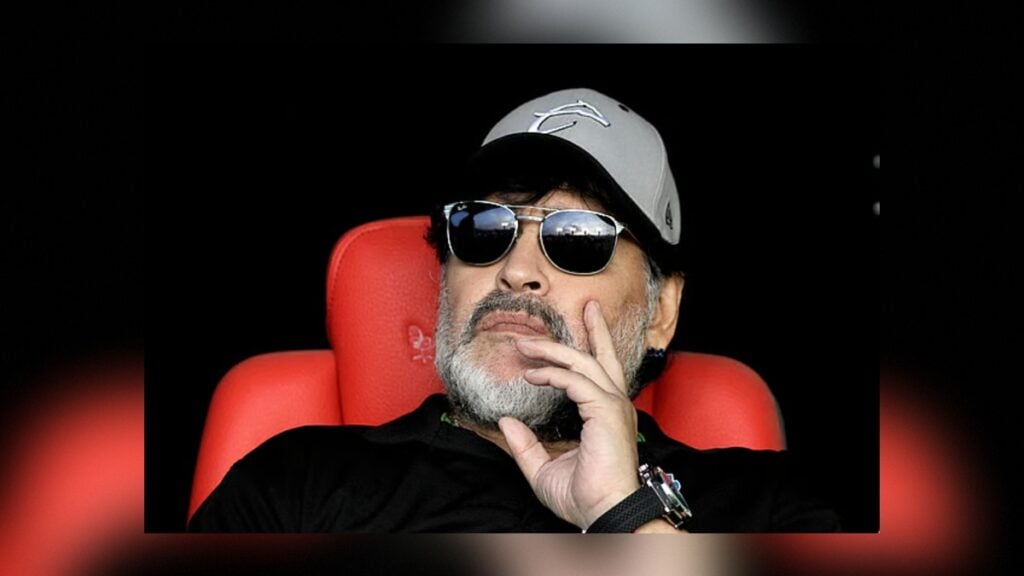
Prosecutors in Argentina have called for a prison sentence of up to 12 years for Diego Maradona’s personal doctor, accusing him and six other healthcare professionals of serious negligence in the football legend’s final days. The demands were presented during closing arguments on Thursday in a trial examining the circumstances surrounding the former Argentina captain’s death in November 2020.
Maradona, widely regarded as one of the greatest footballers in history, died on 25 November 2020, aged 60, while recovering from surgery for a brain haemorrhage. He suffered cardiac arrest and acute pulmonary oedema, a condition involving fluid accumulation in the lungs, at a rented house in Tigre, on the outskirts of Buenos Aires. His death occurred approximately two weeks after the operation.
Seven members of his medical team have been on trial since April over allegations that they failed to provide adequate care and respond appropriately to his deteriorating health. The defendants include his personal physician, a psychiatrist, a psychologist, nurses and medical coordinators. All have denied the allegations.
During the closing arguments, prosecutor Patricio Ferrari accused the medical team of leaving Maradona effectively without support because of what he described as chaotic management of his treatment.
Ferrari argued that the defendants had breached their professional responsibilities, acted contrary to established medical practices and failed to take measures that should have been essential to protecting the patient.
The charges are based on the legal concept of dolus eventualis, under which a person may be held responsible for proceeding with conduct despite recognising the possibility of a serious consequence. The court must assess the evidence against each defendant before determining whether criminal responsibility has been established.
Prosecutors have requested a maximum sentence of 12 years in prison for Leopoldo Luque, Maradona’s personal doctor. They have sought terms ranging from four to 10 years for the other healthcare professionals involved in his treatment.
The defendants maintain that Maradona’s death was unexpected and insist they fulfilled their professional duties. Each has also sought to distance themselves from individual responsibility for the circumstances surrounding his death.
Questions over the decision to treat Maradona at home
A central issue in the trial is whether Maradona should have remained in hospital following his brain surgery instead of receiving post-operative care at home. Prosecutors argue that the arrangements left him without the facilities and emergency support needed to manage a potentially life-threatening deterioration in his condition.
According to the prosecution, the rented property lacked essential medical equipment, including a hospital bed and a defibrillator. There was also reportedly no ambulance or adequate provision of basic medical supplies.
A defibrillator is a device that delivers a controlled electric shock to help restore a normal heart rhythm in certain life-threatening cardiac emergencies. Prosecutors have cited the absence of such equipment as evidence of what they consider to have been inadequate preparation for a medical crisis.
Several medical specialists who testified during the proceedings described warning signs that appeared before Maradona’s death. These included oedema, tachycardia, which refers to an abnormally rapid heart rate, and breathing difficulties.
The prosecution alleges that the medical team failed to respond promptly despite these potentially dangerous symptoms. Its case centres on whether the healthcare professionals recognised the seriousness of Maradona’s condition and took the necessary steps to prevent further deterioration.
Assistant prosecutor Cosme Iribarren said on Thursday that Maradona’s death had not occurred without warning, arguing that signs of the impending tragedy had become apparent well before he died.
The prosecution’s argument raises questions about the adequacy of his monitoring, the decision to continue treatment outside hospital and whether emergency intervention should have been arranged when his condition worsened.
Distressing photographs shown in court
The closing arguments began with prosecutors presenting photographs of Maradona’s body after his death. The images showed his abdomen appearing unusually swollen.
His daughters, who were present in court, covered their faces rather than look at the photographs. The emotional scene underscored the personal significance of a trial that has attracted widespread attention because of Maradona’s sporting legacy and the circumstances of his final days.
Maradona had a long history of health problems and had struggled with substance addiction. However, the central question before the court is whether the professionals responsible for his post-operative care fulfilled their duties, regardless of his previous medical history.
The defendants reject the prosecution’s claims, maintaining that they provided appropriate care and could not have anticipated the fatal outcome. Their individual responsibilities will be assessed through the evidence presented during the trial.
Previous trial abandoned after judicial controversy
The current proceedings follow the collapse of an earlier trial over Maradona’s death. That case was abandoned last year after approximately two and a half months of hearings when it emerged that one of the judges had participated in a secret documentary about the proceedings.
The judge’s involvement raised concerns about the impartiality of the trial, bringing the original proceedings to an end. A new trial was subsequently initiated, with seven healthcare professionals facing allegations of negligence.
The closing arguments are expected to continue for approximately two weeks before the court delivers its verdict. The judges will then determine whether the evidence establishes criminal responsibility and whether any of the defendants should receive prison sentences.
Maradona’s death remains one of the most closely scrutinised cases involving the medical care of a major sporting figure. The proceedings have brought renewed attention to the responsibilities of healthcare professionals caring for seriously ill patients outside hospital, particularly following major surgery.
For prosecutors, the case concerns whether those entrusted with Maradona’s recovery failed to act when his health deteriorated. For the defendants, the question is whether their treatment decisions can fairly be held responsible for his death.
The court’s ruling will determine whether the allegations are proved and whether any members of the medical team are held criminally liable. Until then, the claims against the defendants remain allegations rather than established findings of guilt.