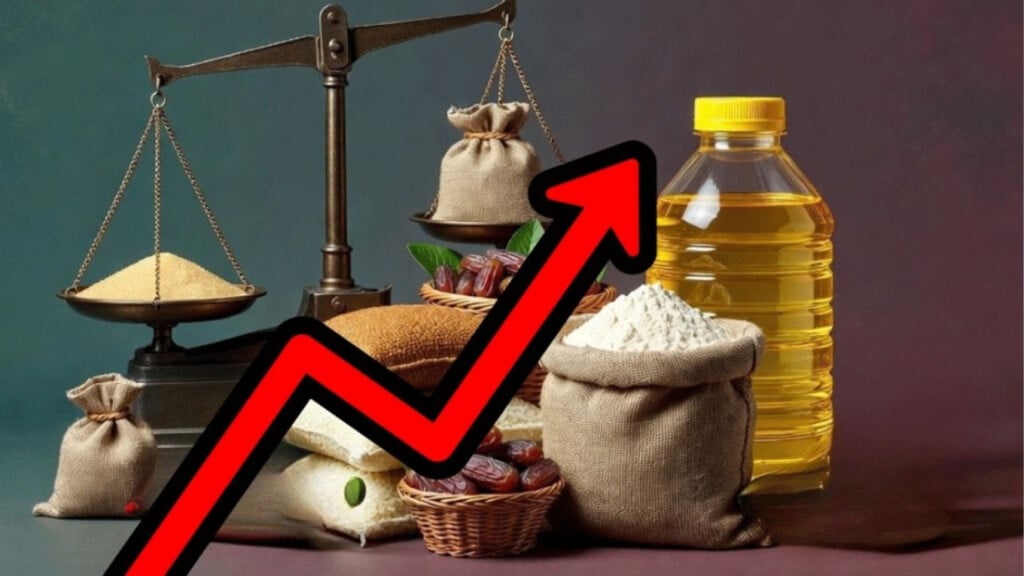
As the holy month of Ramadan commences, a perplexing and painful economic paradox has gripped the Bangladeshi markets. Despite official data confirming that import volumes have surpassed previous records and wholesale warehouses are brimming with essential commodities, retail prices have “caught fire,” leaving ordinary fasting citizens in a state of financial distress.
The traditional logic of supply and demand appears to have been suspended. In its place, a sophisticated web of market manipulation, psychological warfare, and systemic inefficiencies has emerged, forcing the common man to bear the brunt of what experts call an “artificial crisis.”
The Data Defying the Price Hike
According to records from the Chittagong Custom House and major wholesale hubs like Khatunganj and Chaktai, the supply chain is more robust than ever. Under the current interim government, the previous “import syndicates” associated with the former regime were dismantled, leading to a more diversified pool of importers. Yet, the retail market refuses to reflect this abundance.
| Commodity | Import Volume (Current) | Comparison to Previous Year |
|---|---|---|
| Sugar | 473,000 Tonnes | ↑ 39% Increase |
| Lentils | 229,000 Tonnes | Significant Surplus |
| Chickpeas | 28.29% Above Demand | Record Availability |
| Dates/Onions | Multi-fold Increase | Massive Stockpiles |
Despite these healthy figures, the prices of lentils, chickpeas, onions, and sugar have spiked uncontrollably within a single week. Local produce, such as aubergines, cucumbers, and lemons—essential for Iftar—have also seen irrational price hikes, despite being domestically grown and in peak season.
The Mechanics of Manipulation
The current crisis is not one of scarcity, but of strategy. Analysts point to several “internal maladies” that are distorting the market:
The “Withholding Supply” Strategy: While goods have arrived at the port, there are allegations that importers and wholesalers deliberately delay the unloading of ships or the release of stocks from warehouses. By creating a “perceived shortage,” they trigger a psychological panic that allows them to hike prices.
Transaction Cost Distortion: Beyond the ports, the journey of a truck from the coast to the capital is riddled with informal “tolls” and extortion. These costs, which add no value to the product, are passed directly to the consumer.
The Silence of the Traders: When asked about the price hikes, traders often remain silent or shift blame to “port delays.” This culture of silence suggests the lingering influence of powerful cartels that punish those who speak out.
Regulatory Stagnation: While advanced economies use Competition Commissions to dismantle cartels, the monitoring mechanisms in Bangladesh remain slow and often ineffective, allowing an “invisible power structure” to dictate prices.
Breaking the Cycle
To extinguish the “fire” in the retail markets, a shift from reactionary raids to systemic transparency is required. Experts suggest that the government must mandate Digital Tracking of stocks—from the ship’s hold to the retail shelf. Furthermore, making daily import and inventory data public would strip syndicates of their ability to manufacture panic.
Ultimately, the current market situation is a crisis of ethics as much as economics. When opportunity-seeking replaces empathy during a sacred month, the social contract is broken. Without breaking the syndicates and ensuring fair competition, the pockets of ordinary citizens will continue to burn, regardless of how many ships dock at the port.