Health authorities in Bangladesh have reported six additional deaths linked to suspected and confirmed measles over the past 24 hours, taking the nation’s total fatalities from the viral illness and its associated symptoms past the thousand mark this year.
According to the latest health bulletin released by the Directorate General of Health Services (DGHS) on Wednesday, two of the six recent fatalities were laboratory-confirmed cases of measles. The tragic milestone brings the total cumulative deaths from confirmed measles and related clinical symptoms to 1,034 since the beginning of the year. Official data confirms 104 verified measles deaths alongside 1,036 deaths attributed to clinical symptoms of the disease across the country.
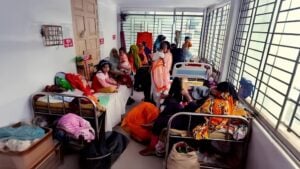
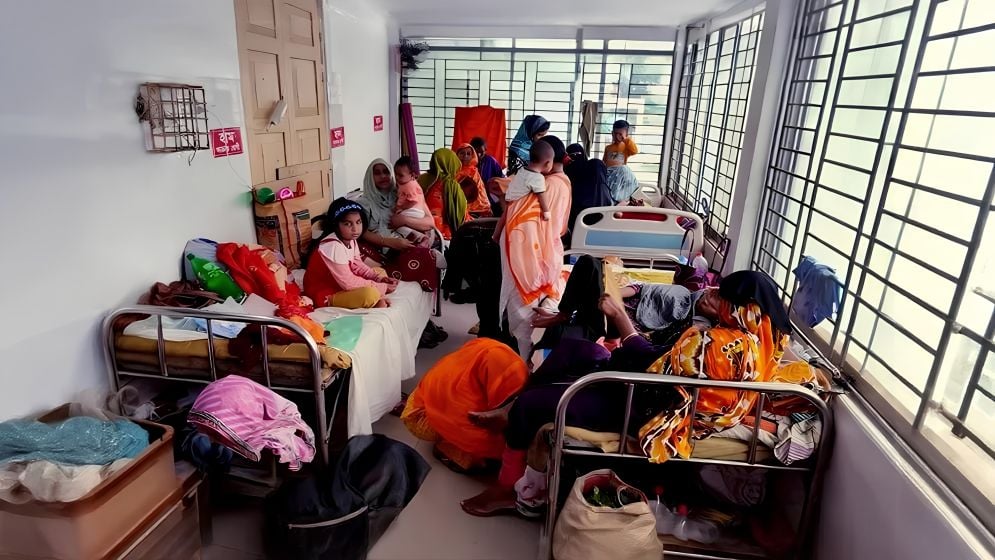
The epidemic continues to place substantial strain on healthcare facilities throughout the South Asian nation. Dhaka Division remains the hardest hit region, recording four of the six deaths in the latest 24-hour reporting period. Hospitals nationwide registered 1,390 new patient admissions suffering from measles and suspected symptoms between 8:00 AM on Tuesday and 8:00 AM on Wednesday.
Regional admission statistics highlight a widespread burden across all administrative divisions. Over the latest reporting period, Dhaka Division admitted 532 patients, followed by Chittagong with 273, Sylhet with 152, and Barisal with 139. Meanwhile, Khulna recorded 132 new hospitalisations, Mymensingh treated 82, Rangpur admitted 47, and Rajshahi logged 33 new cases.
Cumulative tracking established by health officials shows that since surveillance began tracking this surge on 15 March, approximately 177,676 patients with measles-like symptoms have sought emergency hospital care across Bangladesh. Medical staff have successfully treated and discharged 170,473 patients to date. Overall, public health records have identified 200,293 suspected measles cases across the country, with 22,020 of these officially confirmed through clinical testing.
Measles is a highly contagious airborne virus characterised by high fever, cough, runny nose, and a distinct rash. Although preventable through routine childhood immunization programmes, coverage gaps can leave vast populations exposed to sudden surges, leading to severe complications such as pneumonia and encephalitis, particularly among malnourished children. Emergency response teams and healthcare professionals continue to monitor the situation closely, urging parents to ensure their children receive full routine vaccination doses to curb further transmission.