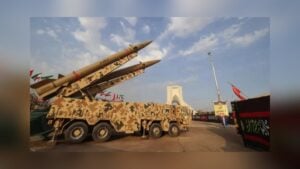
Crude oil prices rose further in global markets on Friday, 4 September, as renewed tensions and military confrontation between the United States and Iran heightened concerns over possible disruptions to oil supplies from the Middle East.
According to a Reuters report, oil prices recorded their strongest weekly increase since mid-July, reflecting growing concern among market participants about the potential impact of escalating tensions on regional supply. The Middle East remains a crucial source of crude oil for global markets, meaning any significant disruption to production or transportation could place additional pressure on prices.
Brent crude, the international benchmark, gained 15 cents, or 0.2 per cent, to reach $95.67 a barrel. The increase came as traders continued to assess the risks surrounding the latest developments in the region and their potential implications for the flow of crude oil.
US West Texas Intermediate (WTI) crude also moved higher. Its price rose by 26 cents, or 0.3 per cent, to $91.56 a barrel.
The scale of the weekly increase was more pronounced than the modest daily movements. Brent crude has gained 7.1 per cent over the past week, while WTI has risen 9.8 per cent. Both benchmarks recorded their largest weekly gains since the week ending 20 July.
Oil prices are particularly sensitive to geopolitical developments because uncertainty over production, exports and transport routes can quickly alter expectations about future supply. Even when there is no immediate physical shortage, the possibility of disruption can encourage market participants to price in additional risk.
Higher crude prices can have wider economic consequences. Oil is a major input for transport, manufacturing and several other parts of the global economy. A sustained rise in energy costs can therefore increase operating and transportation expenses, potentially adding pressure to consumer prices in economies that rely heavily on imported fuel.
The latest movement in oil prices will depend heavily on developments in the US-Iran confrontation and the broader security situation in the Middle East. If concerns over supply disruptions intensify, prices could face further upward pressure. Any easing of tensions, however, could reduce some of the risk premium currently reflected in the market.
For now, investors and energy-market participants are closely watching developments in the region, particularly any signs that the conflict could affect the production, movement or export of crude oil.