The Minimum Wage Board has raised the minimum monthly wage for Bangladesh’s ready-made garment workers from Tk 12,500 to Tk 17,000. The decision was reached late on Tuesday night following a lengthy meeting, marking an increase of Tk 4,500 over the previous pay structure.
Babul Akhter, the workers’ representative on the board, confirmed the outcome after the session concluded. He explained that labour representatives had put forward a final proposal of Tk 18,000 to help workers cope with current living expenses. When prolonged discussions failed to produce a unanimous agreement, the six-member board moved to settle the rate through a formal vote. Four members cast their ballots in favour of Tk 17,000, while two voted for the Tk 18,000 proposal. With a clear majority backing the lower figure, Tk 17,000 was officially finalised as the new baseline wage.
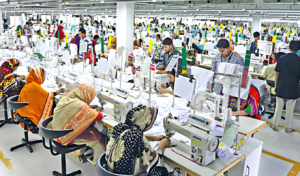
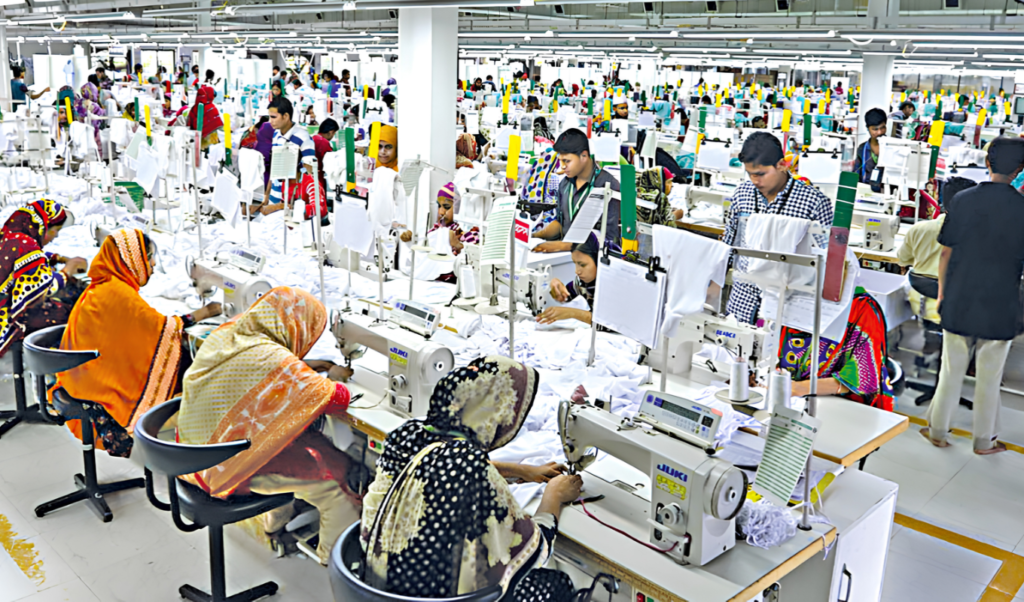
The ready-made garment industry stands as the primary pillar of Bangladesh’s export earnings and provides employment to millions of workers across major industrial zones. Over an extended period, steady increases in the prices of daily essentials, housing rent, and medical care have eroded the purchasing power of factory employees. Those mounting household pressures fuelled persistent calls from workers and labour organisations for an upward revision of the existing Tk 12,500 minimum pay scale.
Under the country’s labour framework, the Minimum Wage Board operates as a tripartite body comprising representatives from employers, workers, and neutral members. In determining a revised pay structure, the board weighs workers’ basic living requirements alongside factory production costs, overall productivity, and the broader economic capacity of the sector.
Tuesday night’s ballot brings an end to intense negotiations over the baseline figure. The agreed wage structure will now proceed through standard administrative procedures before being issued as an official government gazette for implementation at the factory level. Both industry leaders and labour advocates are focused on ensuring smooth enforcement across export-oriented apparel units, aiming to protect worker livelihoods while preserving stability and steady output in industrial hubs.