Members of the Keshabpur Islamic Organisation Committee have submitted a written application to the upazila nirbahi officer (UNO), or upazila executive officer, seeking action over musical events and activities they consider non-Islamic near a local cemetery in Keshabpur Bazar, within Jagannathpur municipality.
The application was submitted to the UNO at midday on Monday, 26 October. The signatories expressed concern that holding musical programmes beside the cemetery could create tensions among local residents and disrupt peace and order in the area.
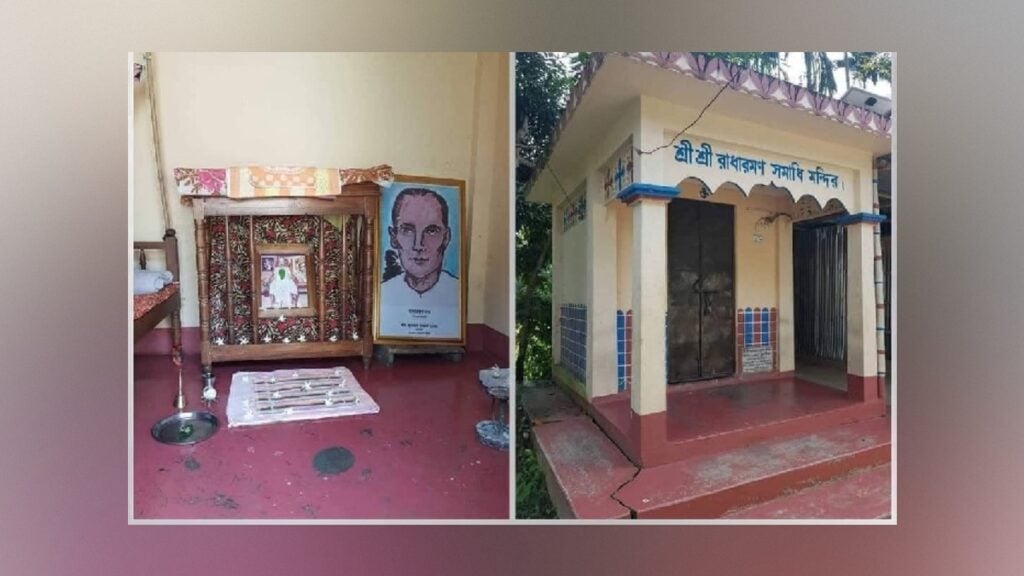
Keshabpur village, in Jagannathpur upazila, is the resting place of Radharaman Dutta, a prominent figure in Bengali folk culture. He is particularly renowned for his contribution to Dhamail songs and dance, an important part of the region’s cultural heritage. Baul music gatherings are held at the site every year in remembrance of the mystic poet and his musical legacy.
According to the applicants, they had learned that some individuals were planning musical performances and other activities in Radharaman Dutta’s name near the cemetery. They said they regarded such activities as inconsistent with Islamic principles and urged the administration to consider their concerns in the interests of maintaining local harmony.
The application also warned that musical events beside the cemetery could lead to disagreements among residents, potentially affecting peace and order. The signatories requested an investigation and appropriate administrative measures to address the matter in the public interest.
Among those who signed the application were local residents Kadir Mia, Rafiq Mia, Md Toyemuch Ali, Ankar Mia, Khaled Mia, Sohel Mia, Md Rafiqul Mia, Jahangir Mia, Abu Mia, Rafiq Ali, Dila Mia, Wahid Mia, Ekhlak Mia, Abu Taher, Awlad Mia and Tarek Mia, along with others.
However, Jagannathpur Upazila Nirbahi Officer Md Islam Uddin offered a clarification on Tuesday afternoon, saying the application was not a request to prohibit music altogether.
“The application was not seeking a complete ban on musical performances. They submitted a letter requesting that musical events not be held beside the cemetery in Keshabpur village,” he said.
He added that the administration would consult relevant parties before deciding how to organise the programme commemorating Radharaman Dutta, while taking account of concerns about preserving the sanctity of the cemetery.
The upazila administration intends to discuss the matter with those involved and seek a solution that would allow the event to be organised more appropriately and on a larger scale, the UNO said.
His comments suggest that the administration is considering discussions over the venue and arrangements rather than cancelling the annual programme altogether. No final decision on the proposed arrangements was reported.
Earlier Dispute Over Baul Music in Dirai
The latest development comes days after a separate dispute over a Baul music gathering in Dirai upazila, also in Sunamganj.
The event was initially called off after objections were raised by some local residents, who expressed concern that the programme could involve what they described as obscenity in the name of music. The participation of female performers was a particular point of contention.
The gathering was due to take place at the home of Shaukat Ali, a British expatriate from Hatia village in Kulanj Union. Two local female singers had been scheduled to perform.
On Wednesday, two residents submitted an application to Dirai Police Station seeking the cancellation of the programme over their objections to women singing at the event. After police spoke to Shaukat Ali, he announced that there would be no music.
However, local residents said a smaller gathering eventually took place on Thursday night.
Hatia village is close to Ujandhal village in Taral Union, which is known as the home of the late Baul maestro Shah Abdul Karim, one of Bangladesh’s most celebrated folk musicians.
The two incidents have brought renewed attention to the challenges surrounding folk music performances in parts of Sunamganj, where musical traditions remain closely connected to local identity and cultural heritage, while some residents raise religious or social objections to particular events.
Radharaman Dutta’s compositions have long held a distinctive place in Bengali folk music, and the annual gatherings at his resting place serve as a means of remembering his contribution. The current dispute centres not only on the performances themselves but also on where they should take place and how local concerns can be accommodated.
The Jagannathpur administration’s proposed consultations could provide an opportunity for organisers, residents and officials to discuss the arrangements. Any eventual decision will need to address the concerns raised by the applicants while considering the continuation of a programme associated with one of the region’s best-known cultural figures.