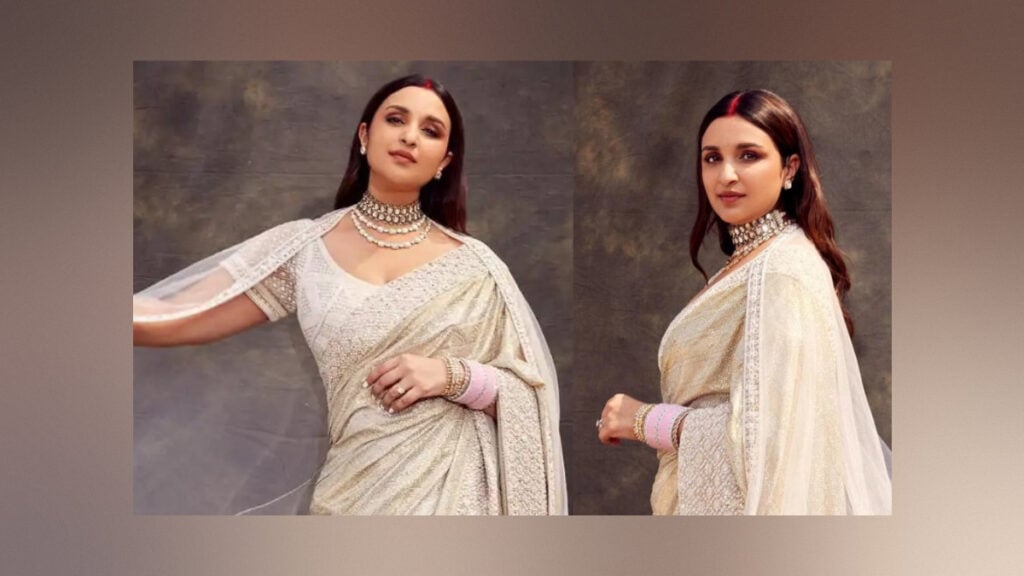
Bollywood actress Parineeti Chopra has spoken out against the practice of criticising women for physical changes and weight gain after childbirth, describing such changes as a natural part of motherhood rather than something to be ashamed of.
In a recent interview, Chopra questioned why changes to a woman’s body after pregnancy, including weight gain and stretch marks, should be viewed negatively. She argued that after carrying a baby for nine months, a woman should not be made to feel embarrassed about the physical marks or changes that may remain after childbirth.
The actress said that pregnancy and childbirth bring significant changes to a woman’s body, and those changes should be treated with greater understanding and sensitivity. Rather than focusing on a new mother’s appearance, weight or body shape, people should be more concerned about her wellbeing and that of her child.
Her comments come at a time when conversations around body image and the expectations placed on women after childbirth continue to attract attention in the entertainment industry and on social media. Public figures, particularly actresses, frequently face scrutiny over their appearance, with photographs and changes in weight often becoming subjects of online discussion.
Chopra’s remarks challenge the expectation that women should quickly return to their pre-pregnancy appearance. She suggested that physical changes following motherhood should not be treated as shortcomings. Instead, they can be understood as visible reminders of the physical demands of pregnancy and childbirth.
The issue was also recently discussed on the Bigg Boss stage, where actor Salman Khan expressed his displeasure over comments about women’s bodies. Chopra has now made her own position clear on the same broader issue, calling for greater consideration when discussing the appearance of pregnant women and new mothers.
She also addressed the subject of online trolling and said she spends very little time on social media. As a result, she does not allow comments from strangers to occupy much of her attention. Rather than worrying about what people write about her online, she prefers to concentrate on her family, her life and the people closest to her.
For Chopra, the conversation is ultimately about where society chooses to place its attention. A woman who has recently experienced pregnancy and childbirth may be going through major physical and personal changes, and comments about her weight or appearance can add unnecessary pressure.
Her message is that pregnancy should not be followed by another demand for women to meet a particular physical ideal. Questions about a mother’s health, comfort and wellbeing, she suggested, are far more meaningful than observations about whether her body has returned to its previous shape.