The Iranian political landscape is in turmoil following multiple reports from state-affiliated media confirming the death of Supreme Leader Ayatollah Ali Khamenei. Both the United States and Israel have claimed that Khamenei was killed in a joint operation, though no official successor has been announced. Questions now loom over who will assume the nation’s most powerful position.
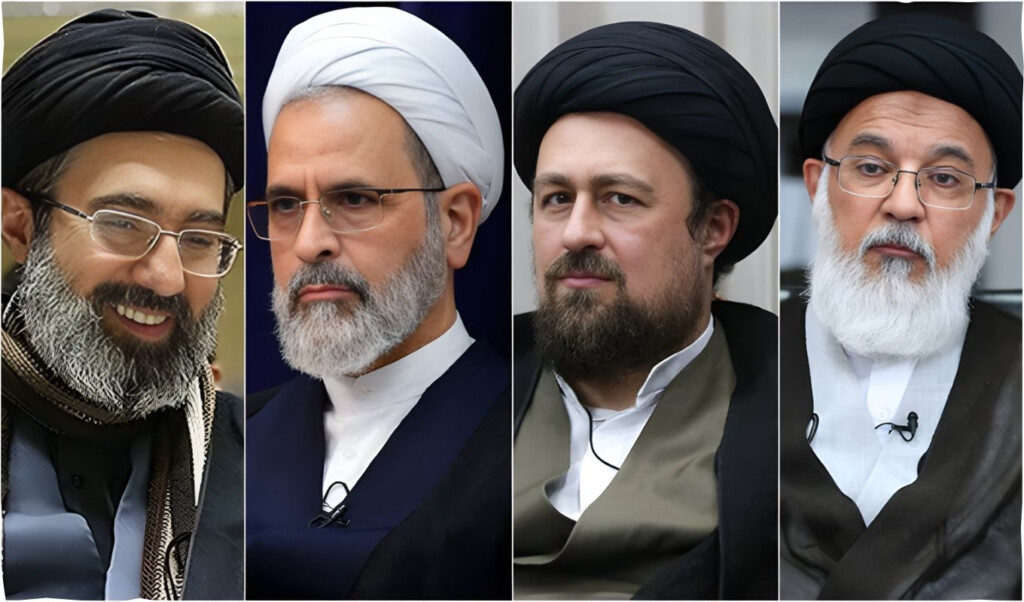
Under Iran’s constitution, the Assembly of Experts—a council of 88 elected Islamic scholars—holds the authority to select the next Supreme Leader. Analysts suggest that several figures are currently under consideration, each presenting distinct strengths and limitations.
| Name | Age | Current Role | Strengths | Challenges |
|---|---|---|---|---|
| Mujtaba Khamenei | 56 | Son of current Supreme Leader | Close ties with IRGC and Basij; influential within inner circles | Not a senior cleric; holds no official government position; hereditary succession viewed negatively in Shia institutions |
| Alireza Arafi | 67 | Vice-Chair, Assembly of Experts; Head of Seminaries | Established cleric; experience in Guardian Council; trusted by Khamenei | Limited political influence; minimal ties to security apparatus |
| Mohammad Mehdi Mirbagheri | 60 | Member, Assembly of Experts; Head of Islamic Sciences Academy, Qom | Represents ultra-conservative religious faction; strong anti-Western stance | Limited political reach beyond conservative religious circles |
| Hassan Khomeini | 50 | Grandson of Ayatollah Ruhollah Khomeini; Guardian of Khomeini Mausoleum | Family legacy; religious legitimacy | No significant government experience; minimal influence over security or power structures; relatively moderate stance |
| Hashem Hosseini Bushehri | 60 | First Vice-Chair, Assembly of Experts | Close to Assembly leadership; trusted by Khamenei | Low public profile; minimal visible ties to IRGC |
Mujtaba Khamenei, the Supreme Leader’s second son, is regarded as influential and is believed to have close connections with the Islamic Revolutionary Guard Corps (IRGC) and its volunteer paramilitary force, the Basij. Nevertheless, Shia tradition typically disfavors father-to-son succession, and Mujtaba’s lack of formal religious or governmental authority may hinder his prospects.
Alireza Arafi, though less well-known, is an established cleric and former member of the Guardian Council. Mohammad Mehdi Mirbagheri is a hardline religious scholar representing Iran’s most conservative factions, while Hassan Khomeini commands legitimacy through lineage but has limited practical influence. Hashem Hosseini Bushehri is noted for his proximity to the Assembly of Experts, though his political visibility is low.
The Supreme Leader in Iran wields extraordinary authority, overseeing the military, judiciary, and state media. The choice of a new leader will not only shape Iran’s domestic politics but also have significant ramifications across the Middle East. All eyes are now on the Assembly of Experts’ upcoming session, where the nation’s next Supreme Leader will be officially determined.