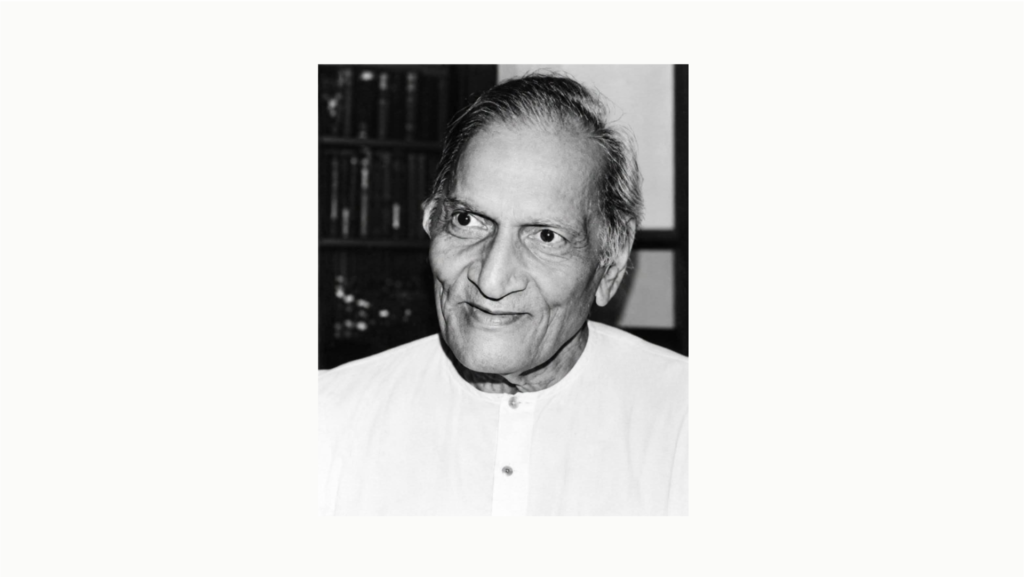
Born on 19 October 1903 in Kolkata into a family with a strong musical tradition, Boral grew up surrounded by music. His father, Lalchand Boral, was a respected practitioner of classical music, and the musical atmosphere at home played a significant role in shaping his son’s artistic interests. From an early age, Raichand developed a fascination with music, eventually receiving training in Hindustani classical traditions and mastering the tabla alongside other aspects of classical music.
Boral began his professional career with radio, gaining valuable experience before entering the film industry. In 1931, he joined the renowned Kolkata-based production house New Theatres, marking the beginning of a remarkable journey in cinematic music. Working alongside distinguished musicians, including Pankaj Mullick, he contributed to a period of significant transformation in Bengali and Hindi cinema.
One of his most important contributions was his role in the development of playback singing, a technique that fundamentally changed how music was incorporated into films. In the early days of Indian cinema, songs were often recorded during filming, with actors performing them live in front of the camera. The emerging playback technique allowed songs to be recorded separately and later synchronised with the visuals, giving filmmakers greater creative freedom and singers more scope to refine their performances.
Boral, alongside filmmaker Nitin Bose, played an important role in advancing this technique. Its successful application in the 1935 film Dhoop Chhaon is regarded as a landmark in the history of Indian cinema, helping establish a practice that would eventually become standard across the industry.
His musical compositions were distinguished by a seamless blend of classical depth, the melodic richness of ragas and the demands of modern cinematic storytelling. He brought innovation not only to songs but also to background music and orchestration, expanding the expressive possibilities of film sound.
Among his notable films as a composer were Chandidas (1934), Devdas (1935), Vidyapati (1937), Street Singer (1938), Sapurey (1939), Lagan (1941) and Saugandh (1942). The music of these films captivated audiences of the era while helping establish a distinctive musical identity for Indian cinema.
Boral also played a significant role in shaping the career of legendary singer K. L. Saigal, whose extraordinary voice became one of the defining features of early Indian film music. His compositions, performed by Saigal and other celebrated artists, including Kanan Devi, gained widespread popularity. His contribution extended beyond composing, as he helped nurture the talents of performers who would go on to become enduring figures in the country’s musical history.
His achievements received national recognition in 1978, when he was awarded the Dadasaheb Phalke Award, India’s highest honour in cinema, for his outstanding contribution to the film industry. In the same year, he also received the Sangeet Natak Akademi Award, further acknowledging his remarkable achievements in music.
Raichand Boral died in Kolkata on 25 November 1981, leaving behind a legacy that continues to resonate in the history of Indian cinema.
He viewed film music as far more than a source of entertainment. For him, music was a powerful medium through which cinema could communicate emotions, deepen narratives and enrich the audience’s experience. His pioneering work helped introduce new musical approaches, techniques and creative possibilities that shaped the foundations of Indian film music.
Over the decades, musical styles have evolved, technologies have advanced and the industry has embraced new forms of sound and composition. Yet the contributions of pioneers such as Boral remain central to understanding how Indian cinema developed its musical traditions.
His melodies, innovations and artistic vision transcended the era in which he worked. Raichand Boral remains one of the foremost architects of early Indian film music, remembered with admiration and respect by generations of music lovers.
His life and achievements stand as a testament to the enduring power of creativity, dedication and musical excellence. His contribution to Indian cinema will continue to be celebrated for years to come.