The Asian energy insurance landscape is currently navigating a period of remarkable stability, maintaining a robust “buyer’s market” despite a backdrop of escalating geopolitical tensions and heightened global economic volatility. As we progress through the first half of 2026, the region continues to defy broader international trends, where rising loss ratios typically dictate steeper premiums. This resilience is primarily attributed to a combination of fortuitous lack of local claims and a significant surplus of insurer capacity.
Regional Performance and Claims Stability
According to recent data from Willis, a prominent division of Willis Towers Watson Public Ltd. Co., the Asian sector has benefited from exceptionally light losses linked to oil and gas production throughout 2025. While other global regions have struggled with heavy claims, Asia has emerged as a high-performing outlier. This clean record has emboldened insurers to view the Asian market as a primary engine for growth, rather than a liability risk.
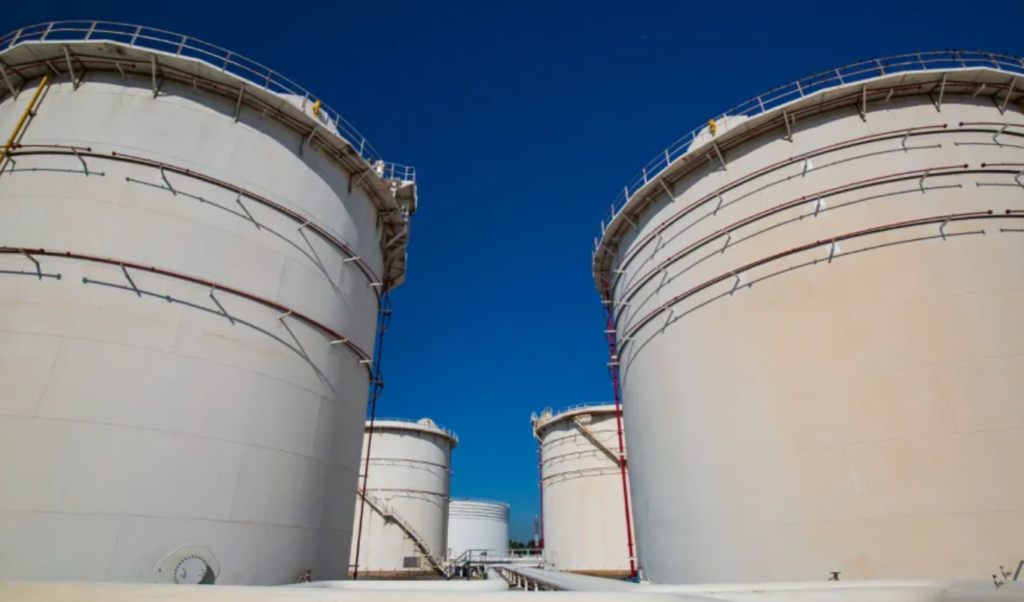
Refineries and petrochemical facilities within the region are particularly well-positioned. Entering the second quarter of 2026, these assets continue to enjoy ample capacity and high insurer appetite. Pricing competition remains most aggressive for facilities that can demonstrate meticulous maintenance schedules and a historic absence of major incidents.
Market Dynamics: Capacity vs. Global Loss Trends
Globally, the energy insurance sector is witnessing a peculiar phenomenon where pricing remains somewhat decoupled from risk levels. Despite gross losses at refineries and petrochemical plants reaching approximately $6.8 billion in 2025, the influx of new capital has prevented a market “hardening.”
| Market Metric | Current Status (2026) | Regional Outlook |
| Asia-Pacific Claim Volume | Low / Stable | Positive |
| Global Refinery Losses | $6.8 Billion (2025) | Negative |
| Total Global Capacity | > $10 Billion | Excessive |
| Pricing Trend | Decelerating Decline | Buyer Favourable |
| Geopolitical Risk | Elevated (Middle East) | Uncertain |
The surplus in capacity, which now exceeds $10 billion for oil and gas production risks, is being driven by the entry of new managing general agent (MGA) platforms and a renewed focus from Lloyd’s of London. This abundance of capital ensures that even as global risks rise, insurers are more focused on capturing market share than on strict pricing discipline.
Geopolitical Pressures and Supply Chain Risks
The ongoing conflict in the Middle East has naturally sharpened the industry’s focus on energy supply security. While direct insured losses resulting from the conflict have remained relatively contained, the indirect economic ramifications are significant. S&P Global, Inc. has highlighted that Asia-Pacific insurers face secondary pressure due to the region’s heavy reliance on energy imports.
Current projections from S&P suggest a gradual easing of disruptions at the Strait of Hormuz by the end of April. However, the volatility in crude oil prices remains a critical variable for underwriters to monitor.
Projections for the Remainder of 2026
Experts anticipate that the soft market conditions currently prevalent in Asia will persist through at least the first half of the year. However, several factors could eventually slow this cycle:
-
US Exposure Scrutiny: Insurers are beginning to apply more rigorous oversight to Asian assets with operational ties or exposures to the United States, where the loss experience has been significantly more severe.
-
Economic Volatility: Prolonged disruption to supply chains could eventually force insurers to recalibrate their risk appetite, especially if capital begins to exit the market in search of higher returns elsewhere.
-
Oil Price Fluctuations: S&P’s base case anticipates Brent crude averaging $92 per barrel in the second quarter before stabilising at $80 for the full year. Any deviation from this—such as a sustained spike above $100—could introduce new inflationary pressures on insurance premiums.
For the time being, Asian buyers are in an enviable position. The involvement of local and captive insurers has allowed for broader coverage terms and lower rates, creating a buffer against the “radioactive” risks seen in other territories. As long as regional safety standards remain high and major catastrophes are avoided, Asia’s energy sector is likely to remain the most competitively priced insurance market in the world.