A key technical hurdle in the commissioning of the first unit of Bangladesh’s Rooppur Nuclear Power Plant has been cleared after a high-pressure test of a pressure-operated relief valve (PORV) was successfully completed.
The test was carried out at a pressure of 16 megapascals (MPa) and concluded at around 2am on Thursday, 1 October, according to a source familiar with the matter at Russia’s Rosatom, the technology provider for the project.
The successful test is significant because valve-related problems had contributed to delays in the commissioning process of the first unit. The project team is now preparing for the next stage, which will involve testing the valve at a pressure of around 18MPa.
The latest test was conducted from both the main control room and the emergency control room. Engineers checked the performance of the control valve as well as the operation of associated safety valves. The assessment was designed to establish whether the equipment responded as expected under the specified pressure conditions.
During the test, particular attention was paid to the valve’s opening and closing operations, its response, warning signals and a range of related process parameters. The procedures were carried out under specified safety conditions and in accordance with authorised methods, the source said.
The testing is being conducted progressively rather than moving directly to the next pressure level. Results from each stage are reviewed before the commissioning team proceeds to the following test. This approach allows engineers to identify and address any technical issue before the system is subjected to more demanding operating conditions.
For a nuclear power plant, such checks form an essential part of commissioning. Equipment associated with pressure control and safety systems must demonstrate that it can perform its intended function before the reactor moves through subsequent stages of operation.
The PORV is associated with pressure protection within the reactor system. Its performance, together with the response of related safety equipment, is therefore among the technical aspects being assessed as the first unit moves towards operation.
The valve issue had delayed progress on the first unit, which is being prepared for electricity generation following the completion of major construction and commissioning activities. The successful 16MPa test has now allowed the team to move towards the next phase of verification, although several other technical and safety checks remain before electricity generation can begin.
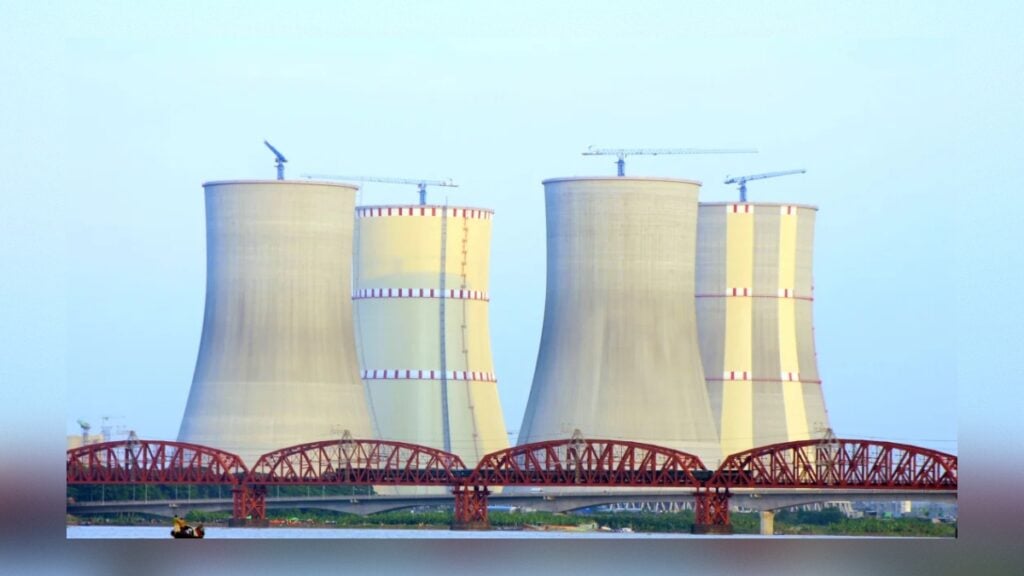
Rooppur Nuclear Power Plant consists of two units, each designed to generate 1,200 megawatts of electricity. Both units use the VVER-1200 reactor design developed in Russia. Once fully operational, the two units are intended to provide a combined generation capacity of 2,400MW.
The first unit has already entered the fuel-loading and commissioning stage. Fuel loading began in April, marking another major phase in the transition from construction to reactor commissioning. Following fuel loading, the plant’s systems and equipment have to undergo a series of checks before the reactor can be taken through progressively higher operating stages.
The latest valve test should therefore be viewed as part of a wider sequence of commissioning activities rather than as the final step before commercial generation. The upcoming test at approximately 18MPa will provide another opportunity to verify the valve and related safety systems under higher pressure.
The commissioning team is expected to assess the results of that test before deciding on the subsequent stages. Each successful verification brings the first unit closer to its intended operational phase, but the timing of electricity generation will depend on the completion of the remaining technical tests and required safety assessments.
For now, the successful 16MPa test represents progress in addressing the valve-related problem that had slowed the commissioning process. The next milestone will be the higher-pressure test and the assessment that follows it.