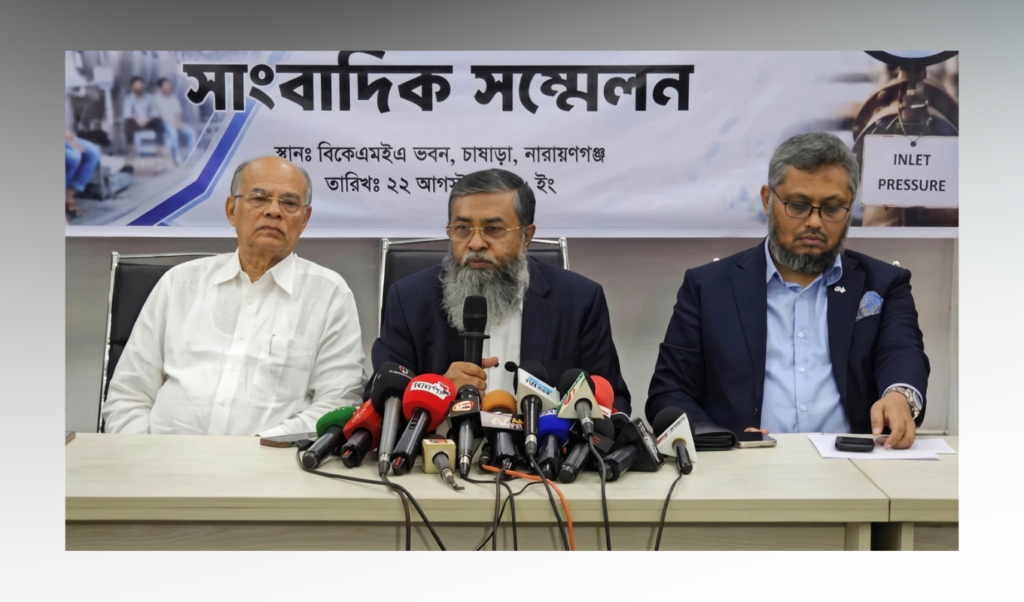
A crippling natural gas shortage across Bangladesh’s industrial belts has forced the closure of nearly 300 factories, bringing manufacturing to an abrupt halt and threatening billions in export earnings. Sounding the alarm on Saturday evening, Mohammad Hatem, President of the Bangladesh Knitwear Manufacturers and Exporters Association (BKMEA), warned that garment manufacturers have their backs to the wall as international buyers begin cancelling and diverting orders to competing nations.
Speaking at a press conference held at the BKMEA headquarters in Dhaka, Hatem painted a grim picture of the sector’s operational paralysis. He revealed that export performance has already suffered by 40 to 50 per cent, causing direct shipment losses between 1.5 million and 2 million units. With production lines frozen and cash reserves drying up, mill owners are finding it increasingly impossible to meet basic operating overheads, including the timely payment of worker wages.
The supply disruption began around the 20th of last month and has persisted for over four weeks. In several prominent textile belts, pipeline gas pressure dropped to zero, leaving factory boilers and dyeing units idle for days on end. Although government authorities had given assurances that fuel supplies would stabilise by the 10th of the current month, the promise proved short-lived. Aside from a fleeting two-day reprieve, supplies vanished entirely, leaving industrial hubs starved of power.
The persistent disruption has rattled global apparel buyers. Faced with mounting delivery delays and unfulfilled contracts, brands are actively shifting future sourcing orders away from Bangladesh to safeguard their seasonal retail supply chains. Factory owners now face penalties, air shipment demands, and the permanent loss of international clientele who doubt local manufacturers’ ability to execute future purchase orders on schedule.
To avert a total collapse of the country’s primary export engine, the BKMEA leadership tabled a six-point charter of emergency demands during the briefing:
-
Allow export-oriented industrial units to clear outstanding electricity and gas utility bills for June and July in 12 equal monthly instalments without incurring financial penalties.
-
Place an immediate moratorium on disconnecting factory gas connections if an industrial establishment defaults on current utility bill payments amid the supply crunch.
-
Issue clear, pragmatic government guidelines for factory owners on managing production, paired with mandatory weekly official briefings to dispel market rumours and provide transparency on supply timelines.
-
Halt compressed natural gas (CNG) supplies to all private vehicular transport, restricting automotive gas allocations strictly to public transport vehicles until the industrial shortfall subsides.
-
Launch a swift, decisive state-backed crackdown against illegal residential gas connections, highlighting that Titas Gas loses 8 to 10 per cent of its total output to system loss and systematic theft.
-
Direct Bangladesh Bank to instruct commercial banks against classifying struggling textile and apparel manufacturers as loan defaulters if they fail to service debt instalments during the ongoing disruption.
Hatem stressed that whilst the ready-made garment industry has weathered past crises, the scale and suddenness of the current energy outage have left the sector without viable operational alternatives. Other senior industry figures attended the briefing, including former BGMEA president Kazi Moniruzzaman, BKMEA Executive President Fazlee Shamim Ehsan, alongside Vice-Presidents Morshed Sarwar Sohel and Ashiqur Rahman, all urging swift, decisive intervention from the interim government to keep the wheels of the economy turning.