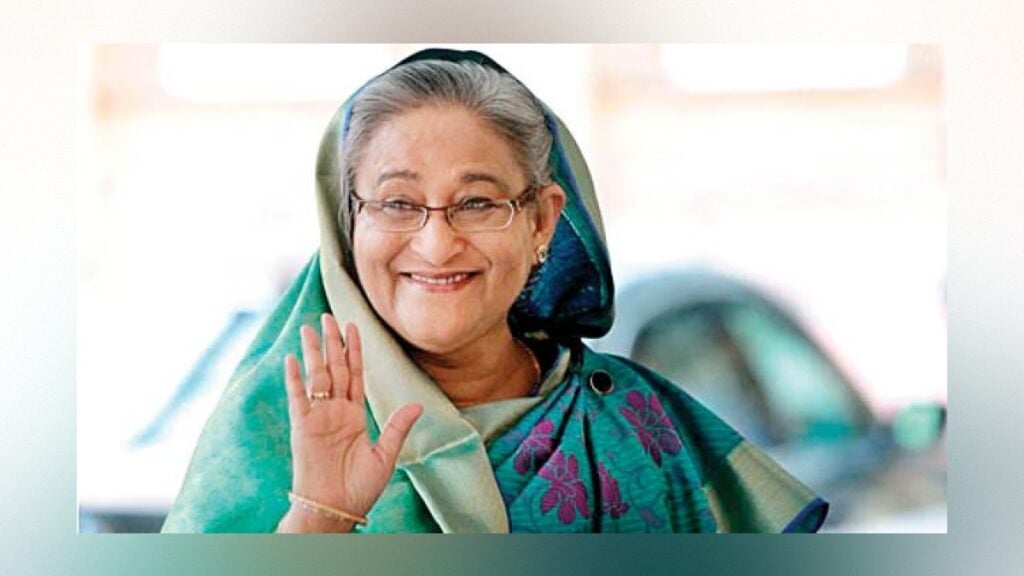
The development marks the first reported formal communication of this kind by Hasina with Bangladeshi authorities since she left the country on 5 August 2024, following the mass uprising that ended her long-standing rule.
According to Reuters, which said it had reviewed the letter, the application represents Hasina’s clearest step so far towards fulfilling her stated intention of returning to Bangladesh after more than two years of political upheaval.
Hasina had previously spoken about her plans to return in December. In an interview with Reuters, she said she wanted to come back to Bangladesh to surrender before the court. However, no confirmed date for her return has yet been announced.
Senior Awami League leaders have reportedly told Reuters that the timing of her return will depend on the completion of the necessary formalities.
Lawyers seek fresh travel and identity documents
The letter was addressed to Priti Rahman, Bangladesh’s acting High Commissioner in New Delhi. Hasina’s legal representatives, from the London-based law firm Matrix Chambers, requested the issuance of a new Bangladeshi passport and national identity card.
In the letter, the lawyers said they had received information that the former Prime Minister’s previous Bangladeshi passport and NID had been cancelled by the interim government and other relevant authorities.
They wrote: “In light of the reported cancellation of our client’s existing Bangladeshi passport and national identity card, we request that the necessary steps be taken to issue her new Bangladeshi passport and national identity card.”
The legal team also urged the authorities to process the applications promptly, citing Hasina’s Bangladeshi citizenship and obligations arising from various international human rights treaties and conventions.
The request raises important administrative and legal questions surrounding the documentation of a former head of government who is currently living abroad while facing a death sentence in Bangladesh.
Reuters said it had contacted Priti Rahman in New Delhi and spokespeople for Prime Minister Tarique Rahman in Dhaka for comments on the matter. Neither side had provided an immediate response at the time of publication.
Death sentence complicates return plans
Hasina’s potential return comes against the backdrop of serious criminal proceedings in Bangladesh.
In November last year, the International Crimes Tribunal in Bangladesh sentenced her to death in absentia over allegations that she had ordered a deadly crackdown on protesters during the 2024 student-led mass uprising.
The prosecution accused her of directing security forces to carry out lethal operations against demonstrators during the movement that eventually brought her government to an end.
Hasina, who has remained in India since leaving Bangladesh, has consistently rejected the allegations.
Her legal position and the tribunal’s verdict are likely to remain central to any discussion about her return. Although she has expressed a willingness to face the court, the circumstances under which she could return and the legal procedures she would subsequently face remain significant issues.
Awami League faces an uncertain political future
The application has also emerged at a difficult time for the Awami League. All political activities of the party are currently prohibited in Bangladesh, while a substantial number of its senior leaders remain outside the country.
Many are reportedly staying in India or living in hiding elsewhere, while others are in detention in connection with various cases.
The party’s political future remains uncertain amid the legal proceedings against its leaders and the restrictions on its activities. Hasina’s possible return could therefore have implications beyond her personal legal circumstances, potentially reopening debate about the party’s leadership, political position and future role in Bangladesh.
Potential implications for Bangladesh-India relations
Hasina’s return could also influence the already strained relationship between Bangladesh and India.
Relations between Dhaka and New Delhi deteriorated significantly after India provided shelter to the former Prime Minister following her departure from Bangladesh in August 2024. Her continued presence in India has remained a sensitive issue in bilateral relations, particularly as the Bangladeshi authorities pursue legal action against her.
Reuters observed that the current government is seeking to restore stability after more than two years of political uncertainty and upheaval. In this context, Hasina’s return could trigger fresh political tensions within Bangladesh, particularly given the gravity of the charges against her and the death sentence handed down by the tribunal.
At the same time, her departure from India and return to Bangladesh could potentially create an opportunity to ease some of the diplomatic friction between the two neighbouring countries. Much would depend on how the legal and diplomatic issues surrounding her case are handled.
For now, the passport and NID applications represent a significant development in Hasina’s stated plans to return home. However, whether the applications will be approved, what legal arrangements would be required and when she might actually return remain unanswered questions. The completion of the necessary administrative formalities is expected to be an important factor in determining the next steps.