The Chief Justice of Bangladesh has reassigned the death reference and appeal hearings for the widely discussed child rape and murder case of young Ramisa to a special High Court bench.
The case has been placed at item number 22 on the cause list for Sunday, 16 August, before the dual High Court bench comprising Justice Bhishmadev Chakrabortty and Justice K. M. Rasheduzzaman Raja.
Attorney General Ruhul Quddus Kajal informed media representatives that formal appellate proceedings for Ramisa’s case are expected to commence immediately following the conclusion of hearings in two other high-profile matters: the murder of Feni madrasa student Nusrat Jahan Rafi and the killing of Shimu Achiya in Magura.
State Defense Appointment and Legal Preparations
Prior to the scheduling, the bench comprising Justice Bhishmadev Chakrabortty and Justice K. M. Rasheduzzaman Raja instructed the Solicitor’s Office to appoint state defence counsel to represent the condemned individuals.
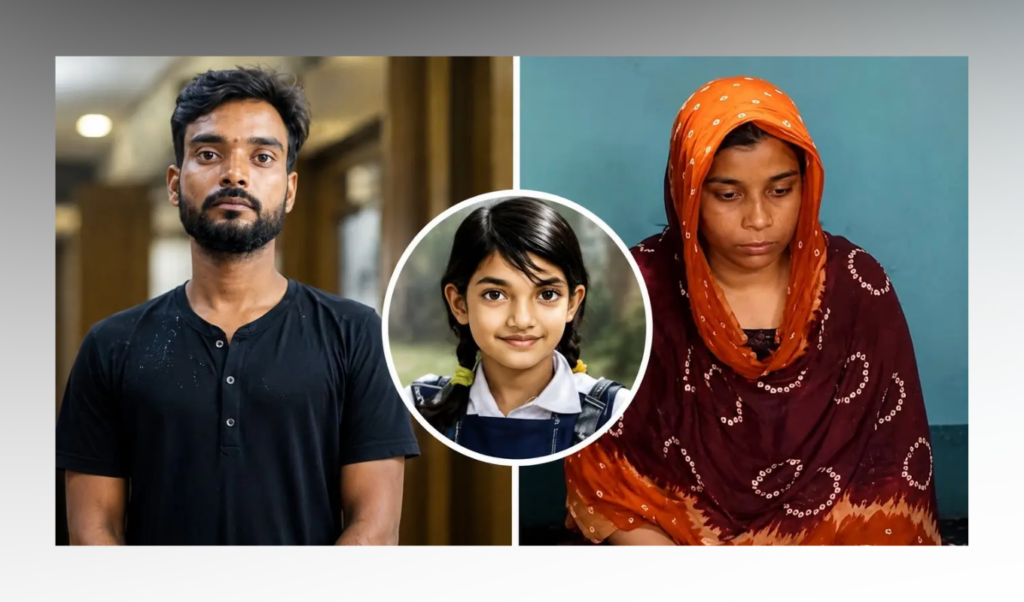
Following the judicial directive on 25 June, Supreme Court advocate Hafizur Rahman Khan was officially assigned as state defence counsel. He will manage the legal defense for the principal convict, Sohel Rana, and his wife, Swapna Akhtar, who were both sentenced to death by the trial court.
Under Bangladeshi criminal procedure, death sentences passed by lower courts must be reviewed and confirmed by the High Court Division through a death reference. Simultaneously, convicted individuals retain the statutory right to challenge their conviction and sentencing by filing regular appeals or jail appeals from custody.
Trial Court Findings and Convictions
According to case records, the victim, a young girl named Ramisa, was subjected to a brutal sexual assault before being murdered on 19 May.
Law enforcement agencies investigated the crime and subsequently pressed charges against Sohel Rana as the primary perpetrator and his wife, Swapna Akhtar, for actively aiding and abetting the offense.
Evaluating the gravity and nature of the crime, Judge Masroor Salekin of the Children’s Repression Prevention Tribunal in Dhaka found both defendants guilty as charged and handed down capital punishment.
Following the trial court’s verdict, both convicts were transferred to death row cells in prison, from where they formally lodged jail appeals challenging the lower court’s decision, leading to the current High Court proceedings.