Sugar prices have risen sharply in Dhaka’s retail markets, adding to the growing pressure on household budgets as the cost of essential commodities continues to climb. The price of sugar has increased by around Tk10 per kilogram within just two weeks, leaving low- and middle-income consumers facing higher daily expenses.
The latest increase was observed during visits to several markets across the capital on Monday, 7 September. Retailers said the rise has been accompanied by weaker supplies, particularly of packaged sugar, while consumers reported having to pay more even for loose sugar.
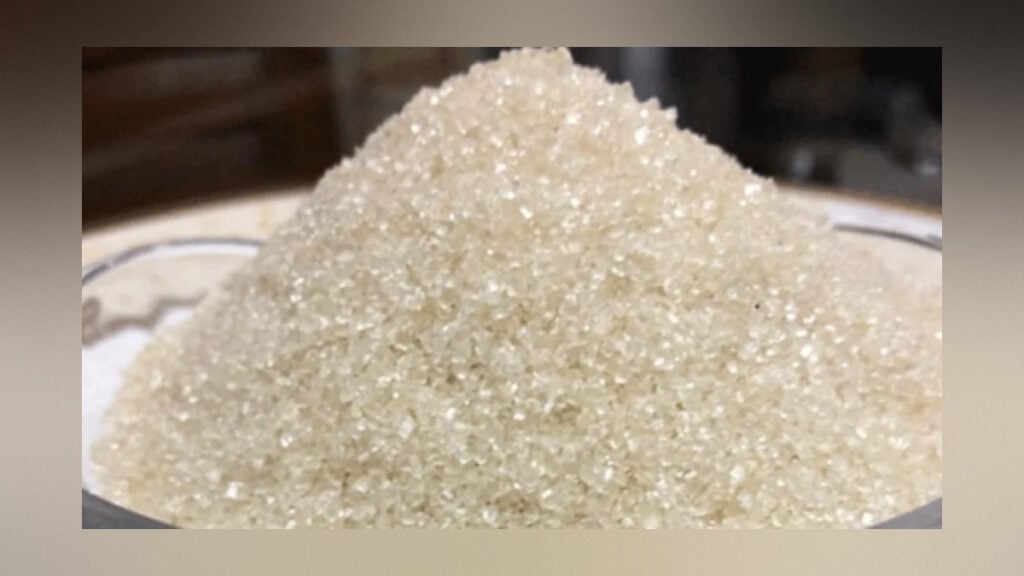
Around two weeks ago, sugar was being sold at between Tk105 and Tk110 per kilogram in retail markets. It is now fetching Tk115 to Tk120 a kilogram. The increase represents a rise of roughly Tk10 within a relatively short period.
The shortage of packaged sugar has added another layer of difficulty for shoppers. Although loose sugar remains available in many markets, packaged varieties are reportedly absent from a large number of retail shops. As a result, consumers who normally prefer packaged products are increasingly having to buy loose sugar at higher prices.
Retailers attributed the rise primarily to increased prices at the production level and reduced supplies from mills. They said lower deliveries from mill gates had created pressure throughout the supply chain, eventually pushing up retail prices.
Some traders also alleged that certain marketing companies were restricting supplies, contributing to an artificial shortage in the market. However, the allegation could not be independently verified. Retailers also cited gas shortages at factories as a possible factor affecting production and supply.
Roson Mia, a retailer, said the supply situation had changed noticeably in recent weeks.
“We are not receiving sugar as we did before. Supplies from the mills have fallen, and we now have to purchase it at a higher price. We therefore have little choice but to sell it at a higher retail price,” he said.
For consumers, the latest increase comes at a time when household budgets are already under pressure from the rising cost of everyday necessities. Jahanagir, who was buying sugar at Raysaheb Bazar, said the increase was making regular shopping increasingly difficult for families with limited incomes.
“Prices of almost all essential commodities are already high. Now sugar has become more expensive as well. The same quantity that we bought at a lower price two weeks ago now costs considerably more,” he said.
Another shopper, Raisul Islam, said the sudden increase was directly affecting household expenditure. He also complained about the difficulty of finding packaged sugar in local shops.
“Sugar is a regular household necessity, so such a sudden increase adds to our monthly expenses. Packaged sugar is difficult to find, while loose sugar is also being sold at a higher price,” he said.
Sugar is widely used in households and is also an important raw material for products such as confectionery, bakery items and various processed foods. Therefore, sustained increases in sugar prices can affect consumers beyond their direct purchases, particularly if higher input costs are eventually reflected in the prices of other food products.
The immediate concern for consumers is whether the recent rise will continue or ease once supplies improve. Retailers, meanwhile, say restoring a steady flow of sugar from mills to the wholesale and retail markets would be crucial to easing the current pressure.
For households already trying to manage higher food costs, even a Tk10 increase per kilogram can make a noticeable difference when accumulated over regular monthly purchases. The situation in Dhaka’s markets will therefore remain closely watched by both consumers and traders as they wait for supplies to return to normal.