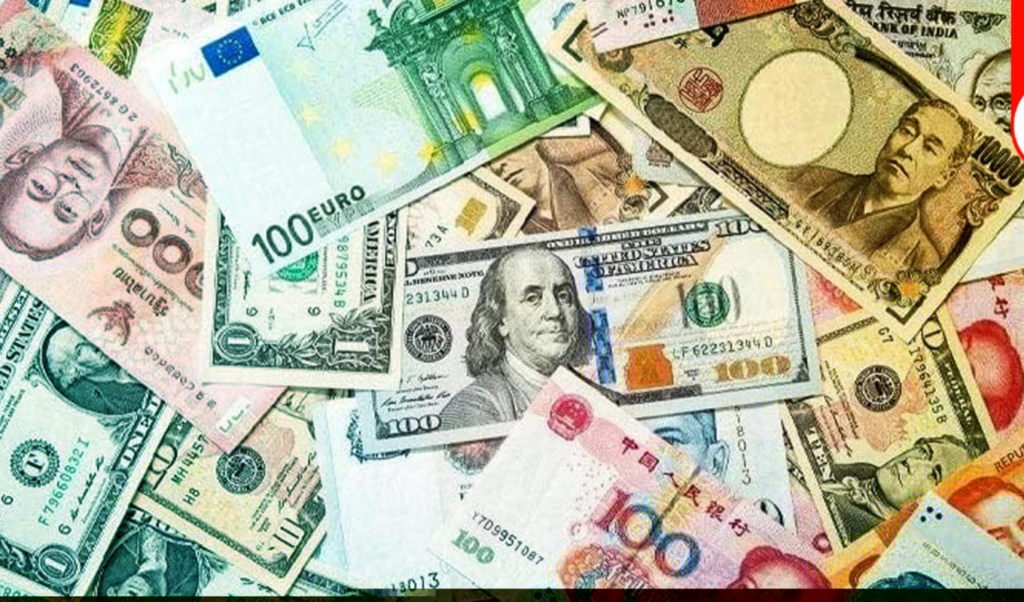
The landscape of international trade and commerce in Bangladesh continues to expand rapidly, moving in lockstep with broader shifts in the global economy. To sustain this accelerating volume of cross-border commercial transactions, the exchange rates of major foreign currencies fluctuate daily. In the local financial market, the value of the Bangladeshi Taka against the US Dollar and other primary international currencies has shown notable resilience, exhibiting only minor adjustments in recent trading sessions.
According to data released by Bangladesh Bank alongside various domestic commercial institutions on 11 July 2026, the local currency is maintaining a steady posture. Financial analysts note that stringent monitoring by the central bank, combined with a highly positive inflow of inward remittances from expatriate workers, has significantly narrowed the historical gap between the official banking rates and the open kerb market. Over the past month, the average exchange rate for the US Dollar has hovered comfortably between 122.75 Taka and 123.00 Taka. This sustained period of stability has injected a sense of predictability and relief for local importers and macroscopic market stakeholders who rely heavily on foreign currency liquidity.
Increased central bank vigilance and robust remittance channels have successfully minimised volatility across Dhaka’s currency trading centres.
Global Exchange Valuation
A comprehensive breakdown of the prevailing currency exchange rates across the banking sector highlights the current purchasing power of the Taka against key global and regional currencies:
-
Western Reserves: The US Dollar is currently trading at 122.85 Taka, whilst the Euro sits at 140.22 Taka. The British Pound remains the strongest of the major European currencies, valued at 164.44 Taka.
-
North American & Oceanian Rates: The Canadian Dollar is hovering at 86.67 Taka, followed closely by the Australian Dollar at 85.11 Taka.
-
Asian Trade Links: The Singapore Dollar stands firmly at 94.92 Taka. The Chinese Yuan, a critical currency for bilateral manufacturing imports, is trading at 18.04 Taka, while the Indian Rupee is pegged at 1.28 Taka.
Middle Eastern Market Rates
Due to the vast number of Bangladeshi expatriates residing in the Gulf region, the value of Middle Eastern currencies plays a pivotal role in dictating the daily influx of foreign reserves. The Kuwaiti Dinar maintains its status as the highest-valued foreign currency in the local market, currently commanding a substantial 398.16 Taka.
Meanwhile, the Saudi Riyal is trading at 32.86 Taka, running nearly parallel to the United Arab Emirates Dirham at 33.57 Taka and the Qatari Rial at 33.84 Taka. Further East, the Malaysian Ringgit is positioned at 30.29 Taka. Financial institutions advise the public that these rates are subject to intraday changes based on market demand, international crude oil valuations, and global liquidity constraints. Commercial banks recommend that businesses check directly with authorised dealers before executing high-value overseas wire transfers.