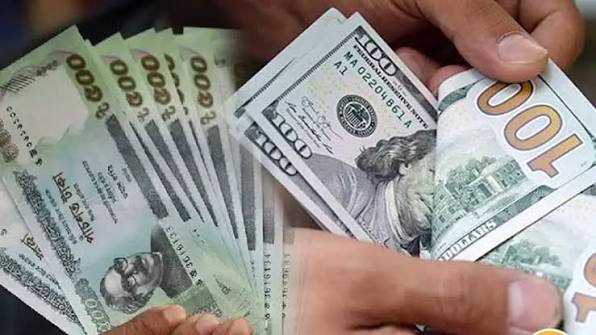
Trading and commercial activities between Bangladesh and its international partners continue to expand rapidly, driving an increased demand for foreign currency transactions across the country’s banking network. On Sunday, 13 September 2026, Bangladesh Bank released the official exchange rates, providing critical baseline figures for importers, exporters, and financial institutions handling cross-border payments.
According to the latest figures published by the central bank, the US Dollar is trading at 123.10 Taka, while the British Pound Sterling stands at 166.41 Taka. European currencies remain strong against the local tender, with the Euro quoted at 142.77 Taka and the Swedish Krona at 12.69 Taka. Within the Asia-Pacific region, the Singapore Dollar trades at 97.14 Taka, the Australian Dollar at 88.24 Taka, the Canadian Dollar at 88.73 Taka, and the Chinese Yuan Renminbi stands at 18.35 Taka. High-volume regional trading currencies show the Japanese Yen at 0.80 Taka, the Indian Rupee at 1.29 Taka, and the Sri Lankan Rupee at 2.67 Taka.
| Foreign Currency | Code | Exchange Rate in Taka (BDT) |
| British Pound | GBP | 166.41 |
| Euro | EUR | 142.77 |
| US Dollar | USD | 123.10 |
| Singapore Dollar | SGD | 97.14 |
| Canadian Dollar | CAD | 88.73 |
| Australian Dollar | AUD | 88.24 |
| Chinese Yuan | CNY | 18.35 |
| Swedish Krona | SEK | 12.69 |
| Sri Lankan Rupee | LKR | 2.67 |
| Indian Rupee | INR | 1.29 |
| Japanese Yen | JPY | 0.80 |
Foreign exchange stability remains vital for Bangladesh’s economic health, particularly as the nation relies heavily on remittance inflows from millions of non-resident Bangladeshis working abroad. These inward remittances directly bolster national foreign exchange reserves and sustain rural household spending. Furthermore, major macroeconomic indicators—including Gross Domestic Product (GDP) calculations, export valuations for the ready-made garment sector, and per capita income assessments—are calculated against major Western reserve currencies. Financial regulators remind traders that retail foreign exchange rates across commercial banks and authorised exchange houses may fluctuate slightly throughout the trading day based on market demand and liquidity conditions.