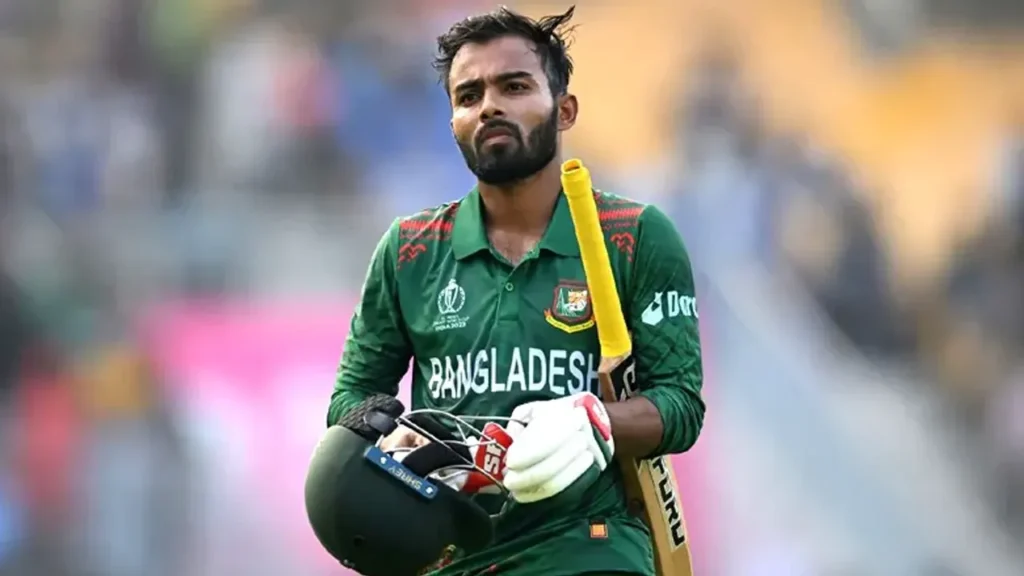
Bangladesh’s persistent struggles in One Day International (ODI) cricket away from home have once again come under sharp scrutiny following a dismal exit from the ongoing tri-nation series. The Tigers suffered a comprehensive seven-wicket defeat at the hands of Afghanistan on Wednesday, marking their fifth consecutive loss against the Afghan side in the 50-over format.
The latest setback sealed Bangladesh’s elimination from the tournament, leaving Afghanistan and hosts Zimbabwe to contest the final. Standing in as captain, middle-order batter Towhid Hridoy offered a candid assessment of his side’s predicament during the post-match press conference, admitting that the team’s lofty talk off the field has consistently failed to translate into meaningful performances on it.
Away Record Paints a Grim Picture
Bangladesh’s form outside familiar domestic surroundings has deteriorated alarmingly over the past two years. The statistical breakdown of their recent overseas ODI campaign highlights a deep-rooted issue in adapting to foreign conditions:
-
Total overseas ODIs played: 16 matches
-
Victories secured: 2 wins
-
Defeats suffered: 14 losses
-
Win percentage: 12.5 per cent
-
Loss percentage: 87.5 per cent
-
Head-to-head streak vs Afghanistan: 5 consecutive ODI losses
-
Tri-series outcome: Eliminated prior to the final
-
Opposition finalists: Afghanistan and Zimbabwe
-
Latest match margin: Lost by 7 wickets
-
Duration of away slump: Approaching 18 months
Addressing the persistent failure, Hridoy did not shy away from taking responsibility on behalf of the squad. He stressed that talking about rectifying errors means very little if the execution on the pitch remains flawed.
“To be completely honest, we are simply unable to match our words with our actions,” Hridoy conceded. “I entirely agree that we have been performing poorly away from home for nearly a year and a half now. It is crucial that we adapt to foreign conditions far more quickly and read match situations better. Making grand claims in interviews achieves nothing.”
A Tale of Two Conditions
While admitting to systemic batting collapses on foreign soil, Hridoy mounted a measured defense of the squad’s underlying quality. He reminded critics of the team’s formidable home record, where Bangladesh have previously defeated heavyweight international sides including Australia, New Zealand, and Pakistan.
However, the contrast between Mirpur’s slow, spin-friendly pitches and the faster, truer surfaces encountered abroad remains stark. The top order’s inability to construct steady partnerships early in the innings continues to expose the middle order under pressure, placing an unbearable burden on the bowling attack.
Until the batting unit learns to weather early movement and adjust its tempo on foreign tracks, Bangladesh risk remaining dominant hosts who struggle the moment they step onto a plane. For Hridoy and his teammates, closing the gap between intention and execution is no longer just a priority—it is an absolute necessity.