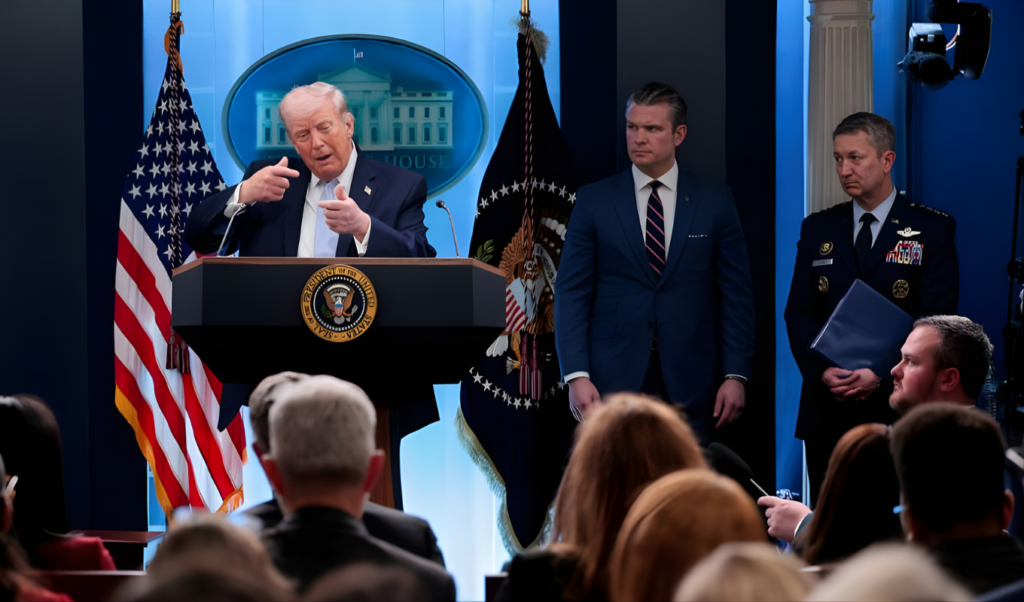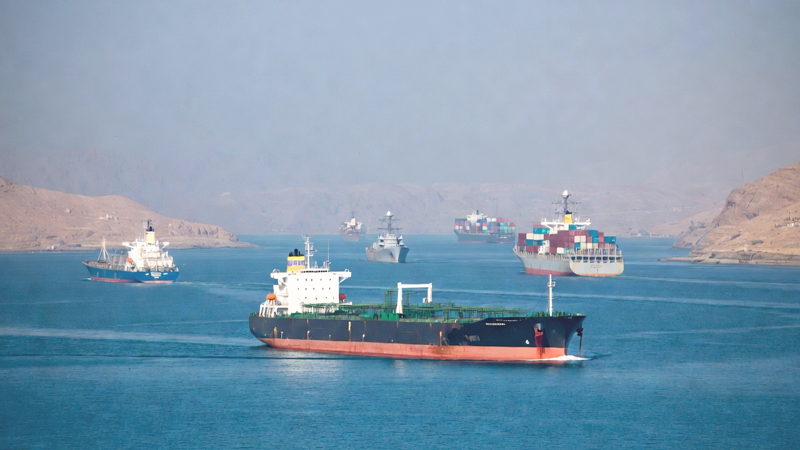
The United States has launched a direct challenge to the United Kingdom’s long-standing hegemony in the international shipping insurance sector. In March 2026, the US administration instructed the US International Development Finance Corporation (DFC) to establish a $20 billion government-backed reinsurance facility. This strategic move is specifically designed to address escalating volatility in high-risk maritime corridors, such as the Strait of Hormuz and the Persian Gulf.
Strategic Objectives and Coverage
The primary objective of this multibillion-dollar fund is to provide comprehensive insurance coverage for ship hulls, cargo, and political risks. By offering lower premiums compared to current market rates, the US aims to stabilise energy supply routes and restore global confidence in maritime trade. A distinctive feature of this initiative is the potential for the US Navy to provide escorts for commercial vessels insured under this scheme, adding a layer of physical security to financial protection.
The US administration plans to collaborate with major private insurers, including Chubb Limited, to manage and distribute these services. This partnership seeks to divert a significant portion of global insurance premiums toward US-backed institutions, thereby strengthening the American financial footprint in the maritime industry.
Comparison of Market Frameworks
The following table outlines the key differences between the traditional London-based market and the newly proposed US initiative:
| Feature | Lloyd’s of London (UK) | US DFC Reinsurance Facility |
| Market Tenure | Over 300 years | Established March 2026 |
| Backing | Private syndicates and capital | US Government-backed (DFC) |
| Funding/Capacity | Variable (Market-driven) | $20 Billion Initial Fund |
| Primary Focus | Global commercial maritime | High-risk zones (e.g., Persian Gulf) |
| Security Component | Standard commercial terms | Potential US Navy Escort |
| Current Market Sentiment | Facing criticism over rising premiums | Positioned as a low-cost alternative |
The Position of Lloyd’s of London
For more than three centuries, Lloyd’s of London has served as the undisputed hub for global marine and war-risk insurance. However, the institution has recently faced scrutiny from market stakeholders. Critics argue that in response to increased attacks on commercial vessels and heightened regional instability, Lloyd’s has significantly raised premiums and restricted coverage limits.
In response to the US announcement, Lloyd’s of London stated that it views the initiative positively and remains open to potential cooperation. Despite the emergence of this formidable competitor, the organisation maintains that its central role in the global war-risk insurance market remains intact due to its unparalleled expertise, extensive network, and historical presence.
Industry Outlook and Challenges
Analysts suggest that the introduction of the US reinsurance facility may trigger a migration of business from London to American markets. This shift is particularly likely for operators frequenting the Persian Gulf who are seeking relief from the escalating costs of traditional British coverage.
However, the long-term efficacy of the US plan remains a subject of debate. Industry experts point to significant implementation hurdles, including the complexities of managing sovereign-backed risk and the specific limitations of government coverage. While the $20 billion fund represents a substantial entry into the market, the ultimate impact on the global shipping hierarchy will depend on how the DFC navigates these operational challenges over the coming years.